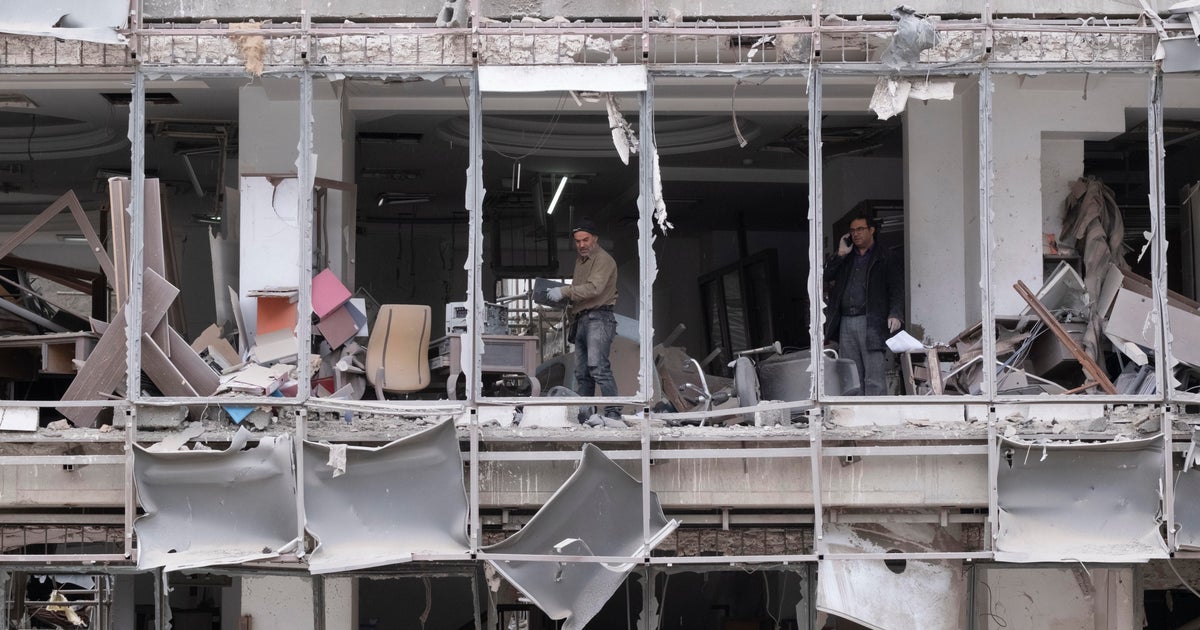
VIENNA – As tensions escalate in the Middle East following recent military exchanges, the International Atomic Energy Agency (IAEA) is closely monitoring the situation, with a particular focus on the safety and security of nuclear facilities in the region. While initial assessments indicate no damage to nuclear installations within Iran, the IAEA Director General Rafael Grossi has warned of the potential for a “possible radiological release with serious consequences” should the conflict intensify. The agency is urgently seeking communication with Iranian nuclear regulatory authorities, but has yet to receive a response.
The situation is particularly concerning given the presence of operational nuclear power plants and research reactors in Iran, the United Arab Emirates, Jordan, and Syria, as well as fuel storage sites across the region. The IAEA’s Incident and Emergency Centre (IEC) is actively collecting information and assessing the risks, acknowledging challenges posed by disrupted communications. The regional safety monitoring network has been placed on high alert, continuously liaising with the agency, and so far, no elevated radiation levels have been detected in neighboring countries. This ongoing monitoring underscores the fragility of nuclear safety in a region embroiled in conflict.
IAEA Confirms No Damage, But Urges Restraint
In a statement delivered on March 2, 2026, to the Board of Governors, Director General Grossi emphasized the IAEA’s commitment to its mandate, focusing on potential radiological emergencies stemming from the military operations. Grossi’s statement highlighted the agency’s immediate response and the activation of its emergency protocols. Despite reports, including claims from Iran regarding strikes on the Natanz nuclear facility, the IAEA has stated it currently has “no indication” that any nuclear installation, including the Bushehr Nuclear Power Plant or the Tehran Research Reactor, has been damaged or directly hit. Firstpost reported on Grossi’s assessment, confirming the lack of observed damage as of Monday.
The lack of communication with Iranian authorities is a significant concern. The IAEA is attempting to re-establish contact through the IEC, recognizing the vital importance of this channel for information exchange and coordinated safety measures. The agency’s ability to verify the status of nuclear materials and facilities relies heavily on this open line of communication. The situation is further complicated by the fact that Iran maintains a substantial stockpile of uranium, approximately 972 pounds enriched to 60% purity – a level nearing that required for nuclear weapons, according to IAEA reports from February 19th. This stockpile, despite previous strikes, remains largely intact, presenting a continued proliferation risk.
Regional Nuclear Landscape and Potential Risks
The heightened tensions extend beyond Iran, impacting several countries in the Middle East with nuclear infrastructure. The United Arab Emirates operates four nuclear reactors, while Jordan and Syria maintain operational nuclear research reactors. Bahrain, Iraq, Kuwait, Oman, and Saudi Arabia have also been subjected to military attacks, raising concerns about the potential for collateral damage or deliberate targeting of nuclear-related sites. The IAEA’s assessment underscores the increased threat to nuclear safety across the region, emphasizing the need for all parties to exercise “utmost restraint.”
The possibility of a “radiological release” – the uncontrolled release of radioactive materials – is a serious concern. Such an event could necessitate the evacuation of large urban areas, potentially creating a humanitarian crisis. While the IAEA has not detected any abnormal radiation levels thus far, the ongoing military activity and the lack of communication with Iran necessitate continued vigilance. The agency’s regional safety monitoring network is crucial in providing early warning of any potential radiological incidents.
The Importance of Diplomacy and Communication
Director General Grossi has repeatedly called for a return to diplomatic negotiations as the most effective means of de-escalating the situation and ensuring the safety and security of nuclear facilities in the region. The Straits Times reported that Grossi urged “maximum restraint” from all parties involved, emphasizing the potential for further escalation. The IAEA’s role as a neutral and independent observer is critical in maintaining transparency and fostering trust among nations. The agency’s ability to verify the peaceful use of nuclear technology and to respond effectively to nuclear emergencies depends on the cooperation of all member states.
The current lack of communication with Iranian authorities is hindering the IAEA’s ability to fulfill its mandate. Re-establishing this vital channel is paramount to ensuring the safety and security of nuclear facilities in Iran and the broader region. The IAEA’s continued monitoring and assessment, coupled with a renewed commitment to diplomacy, are essential to preventing a potentially catastrophic radiological incident.
Key Takeaways
- The IAEA has found no indication of damage to Iranian nuclear facilities as of March 2, 2026.
- The agency is actively monitoring the situation and has placed its regional safety network on alert.
- Communication with Iranian nuclear regulatory authorities remains severed, hindering verification efforts.
- The potential for a radiological release remains a serious concern, given the ongoing conflict and the presence of nuclear infrastructure in the region.
- The IAEA is urging all parties to exercise “utmost restraint” and to return to diplomatic negotiations.
The IAEA is expected to provide further updates on the situation as it evolves. The Board of Governors will continue to monitor developments closely, and the agency remains committed to working with all stakeholders to ensure the safe and secure use of nuclear technology. The next scheduled report from the IAEA on Iran’s nuclear program is anticipated in June 2026. Readers are encouraged to share their thoughts and perspectives on this critical issue in the comments section below.
Related reading