
In a potential pivot toward diplomatic decompression, Iran has reportedly offered to transfer a portion of its stockpile of highly enriched uranium to a third country. This move comes as a direct response to a recent peace proposal submitted by the United States, according to reports citing the Wall Street Journal.
The proposal represents a strategic attempt by Tehran to ease international pressure and navigate a volatile security landscape characterized by recent military escalations. However, the offer is accompanied by a firm refusal to shut down its nuclear facilities, signaling that Iran remains committed to maintaining its technical infrastructure even as it seeks a diplomatic exit from the current crisis.
For global observers and policymakers, the Iran uranium offer US negotiations are a critical barometer for the stability of the Middle East. The willingness to move enriched material out of Iranian territory—provided the right conditions are met—suggests a willingness to engage in “confidence-building measures,” though the insistence on keeping facilities operational indicates a desire to retain “nuclear hedging” capabilities.
This development arrives at a moment of extreme regional tension. Recent reports from Reuters highlight a period of intense instability involving US-Israel strikes and subsequent Iranian retaliation, which has heightened fears of a wider regional war and triggered shocks across global oil markets.
The Mechanics of the Uranium Offer
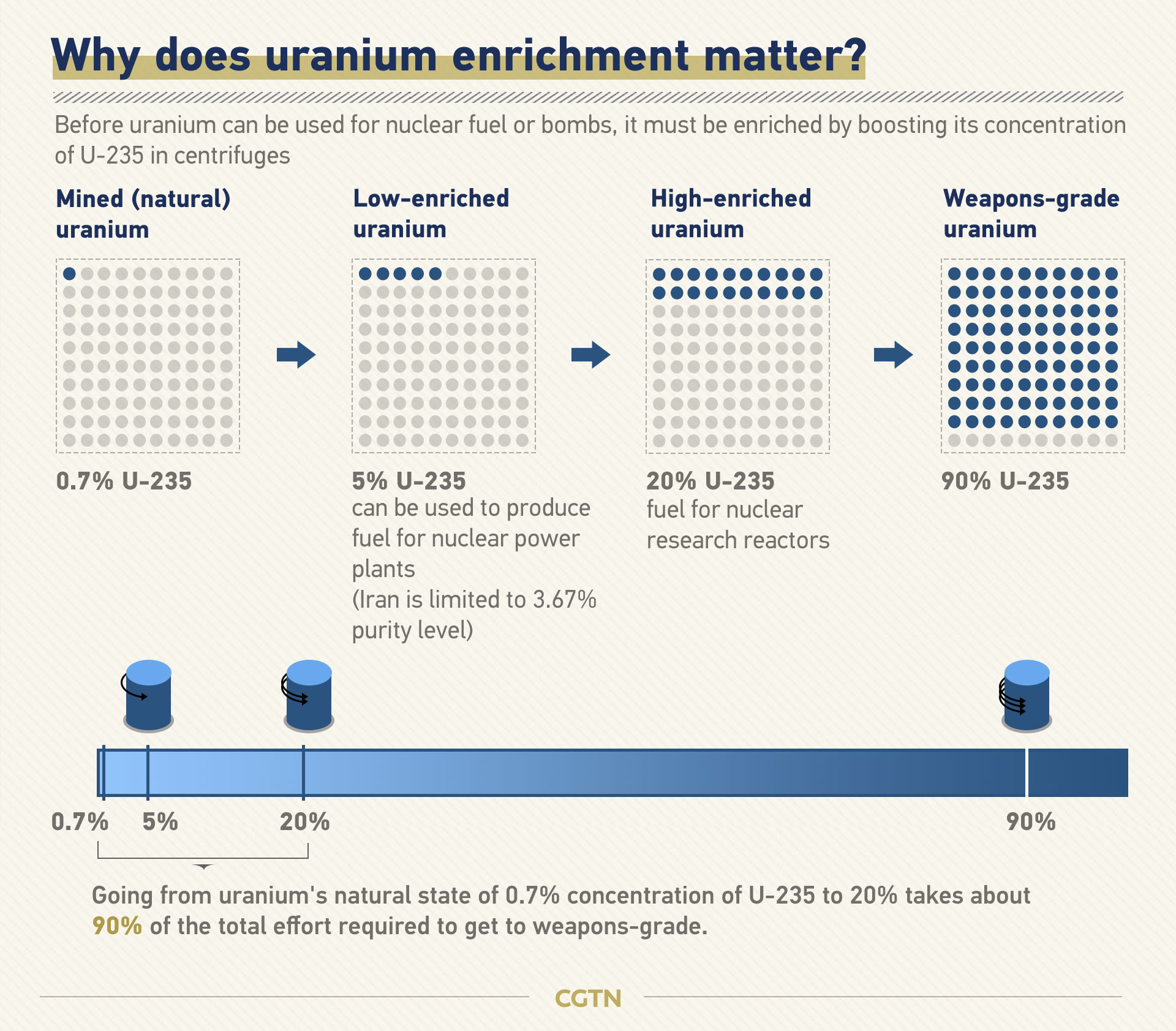
The core of Iran’s current proposal involves the physical transfer of highly enriched uranium (HEU) to a neutral third-party state. In nuclear diplomacy, this is often viewed as a way to reduce the “breakout time”—the time required to produce enough weapons-grade material for a nuclear device—without requiring the permanent destruction of the centrifuges and facilities used to create that material.

By offering to export the stockpile, Tehran is attempting to address the primary concern of the US and the International Atomic Energy Agency (IAEA): the sheer volume of enriched material currently held within Iranian borders. However, the refusal to close nuclear sites means that Iran would retain the capability to resume enrichment quickly should the diplomatic agreement fail.
Analysts suggest this is a calculated move to pressure the US for more favorable terms. By offering a tangible concession (the uranium) while withholding a structural one (the facilities), Iran is positioning itself to negotiate for the lifting of sanctions and other economic incentives without fully dismantling its strategic assets.
The Conflict Between Diplomacy and Infrastructure
The tension in the current negotiations centers on the definition of “irreversibility.” The United States has historically sought guarantees that Iran cannot easily return to high-level enrichment. Tehran’s current stance—offering the product but keeping the factory—directly clashes with this objective.
This dynamic is further complicated by recent assessments of Iran’s nuclear capabilities. Some US intelligence reports have suggested that the damage to Iran’s nuclear program following recent military engagements was limited, meaning Tehran still possesses significant leverage in these talks. This perceived resilience likely emboldens the Iranian leadership to hold a firmer line on the preservation of its facilities.
Geopolitical Stakes and Regional Stability
The timing of this offer is not coincidental. Iran is facing significant internal and external pressures. Externally, the threat of further strikes from a US-Israel coalition remains high. Internally, the government must balance its revolutionary ideological goals with the economic necessity of sanction relief for a population of over 92 million people.
The role of the “third country” in this proposal remains a point of intense speculation. For such an arrangement to work, the recipient nation must be a trusted partner of the IAEA and acceptable to the US administration. Potential candidates typically include nations with established nuclear safeguards and a history of mediating between Western powers and Tehran.
The broader implications for the region are profound. A successful agreement could lead to a decrease in the risk of a full-scale war, which has the potential to disrupt global energy supplies and destabilize neighboring states. Conversely, a failure to reach a deal could lead to a further escalation of the “shadow war,” with increased risks of cyberattacks, maritime disruptions, and direct military confrontations.
Who is Affected by the Outcome?
- Global Energy Markets: Any sign of a diplomatic breakthrough typically stabilizes oil prices, whereas a collapse in talks often leads to a “risk premium” spike.
- The IAEA: The agency faces the challenge of verifying the transfer of materials and ensuring that “hidden” facilities are not being utilized.
- Regional Allies: Countries in the Gulf region are closely monitoring the deal to ensure that any agreement does not leave them vulnerable to Iranian regional influence.
What This Means for the US Strategy
For the United States, the Iranian offer presents a classic diplomatic dilemma. Accepting the transfer of uranium would be a visible victory and a reduction in immediate nuclear risk. However, allowing Iran to keep its enrichment infrastructure could be viewed as a concession that permits Tehran to remain a “threshold state”—a country that does not have a bomb but has everything necessary to build one quickly.
The US must now decide if the immediate reduction of the stockpile is a sufficient trade-off for the continued existence of Iranian nuclear facilities. This decision will likely be influenced by the current administration’s appetite for risk and the level of coordination with Israeli security concerns.
the US is weighing the “better conditions” Iran is seeking. These likely include the comprehensive removal of primary sanctions and a formal recognition of Iran’s right to a civilian nuclear program, terms that have been the sticking point of negotiations for over a decade.
Comparing the Current Offer to Previous Frameworks
Unlike the original Joint Comprehensive Plan of Action (JCPOA), which focused on strict limits and intrusive inspections, the current proposal appears more transactional. The focus has shifted from a long-term structural regime to a more immediate “crisis management” approach designed to prevent an imminent war.
Next Steps and Critical Checkpoints
The international community is now awaiting a formal response from the US State Department regarding the Iranian proposal. The success of these talks will depend on whether the two sides can agree on the identity of the third-party country and the specific volume of uranium to be transferred.
The next confirmed checkpoint will be the upcoming reports from the IAEA, which will provide the necessary verification of Iran’s current stockpile levels. These reports are essential for the US to determine if the Iranian offer is a genuine concession or a tactical distraction.
As the situation evolves, the world remains focused on whether this diplomatic opening can lead to a sustainable peace or if It’s merely a pause in an escalating conflict. We will continue to monitor official statements from Washington and Tehran as they move toward a potential decision.
Do you believe a third-party transfer of uranium is a sufficient step toward regional peace, or should nuclear facilities be completely dismantled? Share your thoughts in the comments below.
Worth a look