The global pharmaceutical supply chain is currently facing a silent but deadly crisis. From high-income nations struggling with fentanyl-laced illicit pills to developing regions where substandard medications are commonplace, the inability to quickly and cheaply verify the authenticity of a pill is a critical vulnerability in public health. For too long, the gold standard for drug verification has required expensive laboratory equipment and specialized personnel, leaving the most vulnerable populations at the highest risk.
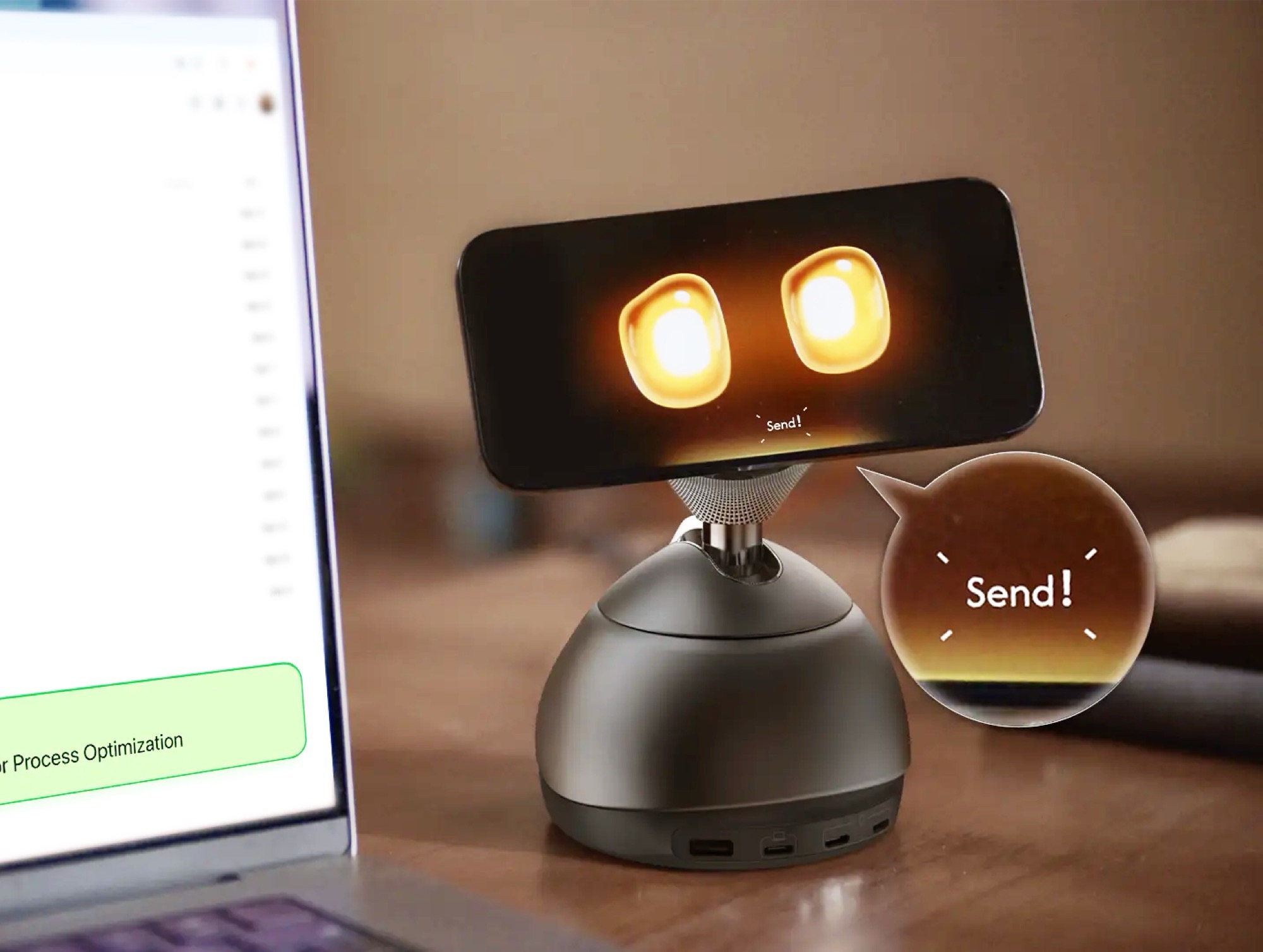
However, a breakthrough from researchers at the University of California, Riverside, is challenging the notion that sophisticated medical security requires expensive hardware. By repurposing simple components often found in toy robots, the team has developed a low-cost fake drug detector capable of identifying counterfeit medications with surprising accuracy. This innovation represents a pivotal shift toward democratizing pharmaceutical safety, moving the power of detection from the laboratory to the pharmacy counter or the clinic.
As a physician and health journalist, I have seen how the lack of accessible diagnostic tools can cripple healthcare delivery in resource-limited settings. When a clinician cannot trust the medication they are prescribing, the entire therapeutic process collapses. This new approach, which utilizes a concept known as “disintegration fingerprinting,” offers a scalable solution to a problem that has claimed countless lives across the globe.
The Science of the Disintegration Fingerprint
The core of this innovation lies in how a pill breaks down. Every legally manufactured medication is produced under strict regulatory guidelines, meaning the composition, binder materials, and dissolution rates are highly consistent. When a legitimate pill is dissolved in water, it releases particles in a predictable, rhythmic pattern.

The UC Riverside team utilized a simple optical sensor—the kind of inexpensive component used in consumer electronics and toy robots—to monitor this process. As the pill dissolves, the sensor reads the light reflected by the dispersing particles. By tracking the quantity and timing of these particles, the researchers can create what they call a “disintegration fingerprint” (DF).
Because counterfeit drugs are rarely produced with the same precision as regulated pharmaceuticals, their dissolution patterns differ significantly from the original. If the “fingerprint” of a tested pill does not match the established pattern of the legal version, the device flags it as a fake. This method allows the detector to distinguish between an authentic medication and a counterfeit version without requiring the complex chemical analysis typically associated with mass spectrometry or chromatography.
The research detailing this method was published in the peer-reviewed journal Analytical Chemistry, highlighting the scientific rigor behind the use of low-cost hardware for high-stakes medical verification.
Addressing a Global Public Health Crisis
The urgency of this technology cannot be overstated. The World Health Organization (WHO) has previously estimated that approximately 10% of medical products in developing countries are either substandard or falsified. These are not merely “ineffective” drugs; they are often dangerous, containing incorrect ingredients, no active pharmaceutical ingredients (APIs), or toxic contaminants.
The human cost is staggering. In sub-Saharan Africa, reports from United Nations health agencies have indicated that nearly 500,000 people die every year due to the use of counterfeit medications. When life-saving antibiotics or antimalarials are fake, patients do not just fail to recover—they may develop drug-resistant strains of diseases, further complicating regional public health efforts.
Even in the United States, the crisis has evolved. The rise of illegal online pharmacies has led to a surge in cheap, non-prescription medications that are frequently adulterated with potent synthetic opioids like fentanyl. In these cases, a “low-cost fake drug detector” could serve as a critical first line of defense for pharmacists and emergency responders attempting to identify lethal contaminants in the street-drug supply.
From Toy Components to Life-Saving Tech
What makes this UC Riverside project particularly impactful is its accessibility. Most pharmaceutical verification tools are prohibitively expensive, creating a “safety gap” between wealthy and poor nations. By proving that toy-robot sensors can perform this task, the researchers have demonstrated that the barrier to entry for drug verification can be lowered significantly.
In their initial proof-of-concept study, the research team tested the disintegration fingerprinting method on 32 different types of medications. The scope of the testing was broad, encompassing several critical drug classes, including:
- Antibiotics: Ensuring that infections are treated with potent, authentic agents to prevent antimicrobial resistance.
- Opioids: Verifying the purity of pain management medications to prevent accidental overdose from contaminants.
- Antidepressants: Ensuring patients receive the correct dosage for mental health stability.
- Oral Contraceptives: Confirming the efficacy of birth control pills to prevent unintended pregnancies.
The ability of a simple optical sensor to handle such a diverse range of pharmaceutical compositions suggests that the technology is versatile and potentially adaptable to a wide array of medications currently on the market.
What This Means for the Future of Healthcare
The transition from a laboratory proof-of-concept to a field-ready device will require further refinement, but the implications are profound. We are looking at a future where a pharmacist in a rural village or a clinic in a conflict zone could verify a shipment of medicine in minutes using a device that costs a fraction of current industry standards.
For this to be successful, the “fingerprint” database must be expanded. For every legal medication, a standard dissolution pattern must be recorded and uploaded to a secure cloud or local database. Once these benchmarks are established, the hardware becomes a simple interface for comparing a sample against the gold standard.
From a policy perspective, this innovation supports the goal of global health equity. It shifts the focus from reactive treatment—treating the complications of a fake drug—to proactive prevention. By integrating these sensors into the supply chain, we can create a “checkpoint” system that identifies counterfeit batches before they ever reach the patient.
As we continue to monitor the development of this technology, the next critical milestone will be the transition to larger-scale clinical trials and the potential for regulatory approval by bodies such as the FDA or the European Medicines Agency (EMA). These steps will determine how quickly this “toy robot” technology can move from the university lab to the global pharmacy.
We encourage readers to stay informed about pharmaceutical safety by visiting the official WHO Health Product Policy and Standards page for guidance on identifying falsified medical products.
Do you believe low-cost tech is the answer to global health disparities? Share your thoughts in the comments below or share this article with your network to spread awareness about pharmaceutical safety.
Worth a look