
The atmosphere surrounding Olympique de Marseille (OM) is rarely tranquil, but the aftermath of their recent victory over Le Havre AC has ignited a different kind of fire. While the three points are a welcome addition to the club’s campaign, the talking point has shifted from tactical execution to a scathing critique of sports journalism. Habib Beye, the former French international and respected analyst, has voiced a profound frustration with the media’s treatment of individuals within the Marseille camp, specifically targeting what he perceives as a relentless campaign of harassment.
Following the match, which saw OM secure a vital win during the 33rd matchday of Ligue 1, Beye did not mince words. His reaction was not born of the match’s result, but of the prevailing narrative surrounding the team’s personnel. In a moment of raw honesty, Beye expressed that he had “rarely seen such relentless pursuit of one person,” signaling a breaking point in the relationship between the club’s orbit and the press corps covering the Mediterranean giants.
This outburst underscores a growing tension in French football, where the line between rigorous accountability and personal vendetta often becomes blurred. For Beye, the scrutiny has crossed a threshold, transforming from professional reporting into a targeted effort to destabilize a player. The focus of this “acharnement”—or relentless pursuit—centers largely on Mason Greenwood, whose presence at Marseille continues to be a lightning rod for controversy both on and off the pitch.
As an editor who has spent over a decade analyzing the intersection of athlete psychology and media pressure, I find Beye’s intervention significant. It’s not merely a defense of a teammate or a colleague, but a challenge to the ethics of modern sports reporting. When a figure of Beye’s stature speaks out, it forces a conversation about whether the media is reporting on the sport or attempting to dictate the moral standing of the participants in a way that transcends the game.
The Breaking Point: Beye’s Critique of the Press
Habib Beye’s frustration reached a crescendo following the victory at Le Havre. While the players were celebrating a hard-fought win, Beye was focused on the interrogation that typically follows such matches. His assertion that the media’s behavior was unprecedented in its intensity suggests a pattern of coverage that he finds unsustainable and unfair.
The term “acharnement” carries heavy weight in French. It implies more than just persistence; it suggests a malicious intent to wear someone down. By using this specific language, Beye is accusing the media of moving beyond the role of observers and into the role of aggressors. This sentiment is particularly poignant given Beye’s own history as a high-profile athlete who understands the pressures of the spotlight, yet feels the current climate has become toxic.
The tension is exacerbated by the volatile nature of the Marseille environment. OM is a club where passion often tips over into chaos, and the local and national media amplify this volatility. Beye’s reaction serves as a mirror to the press, asking them to evaluate whether their pursuit of a “story” is compromising the human dignity of the subjects they cover.
The Greenwood Factor: A Lightning Rod for Controversy
To understand why Beye is so defensive, one must look at the situation surrounding Mason Greenwood. The English forward’s move to Olympique de Marseille was one of the most debated transfers in recent European football history. Due to the severe legal and personal controversies that trailed him from Manchester United, Greenwood has been subjected to a level of scrutiny that few athletes in the world experience.
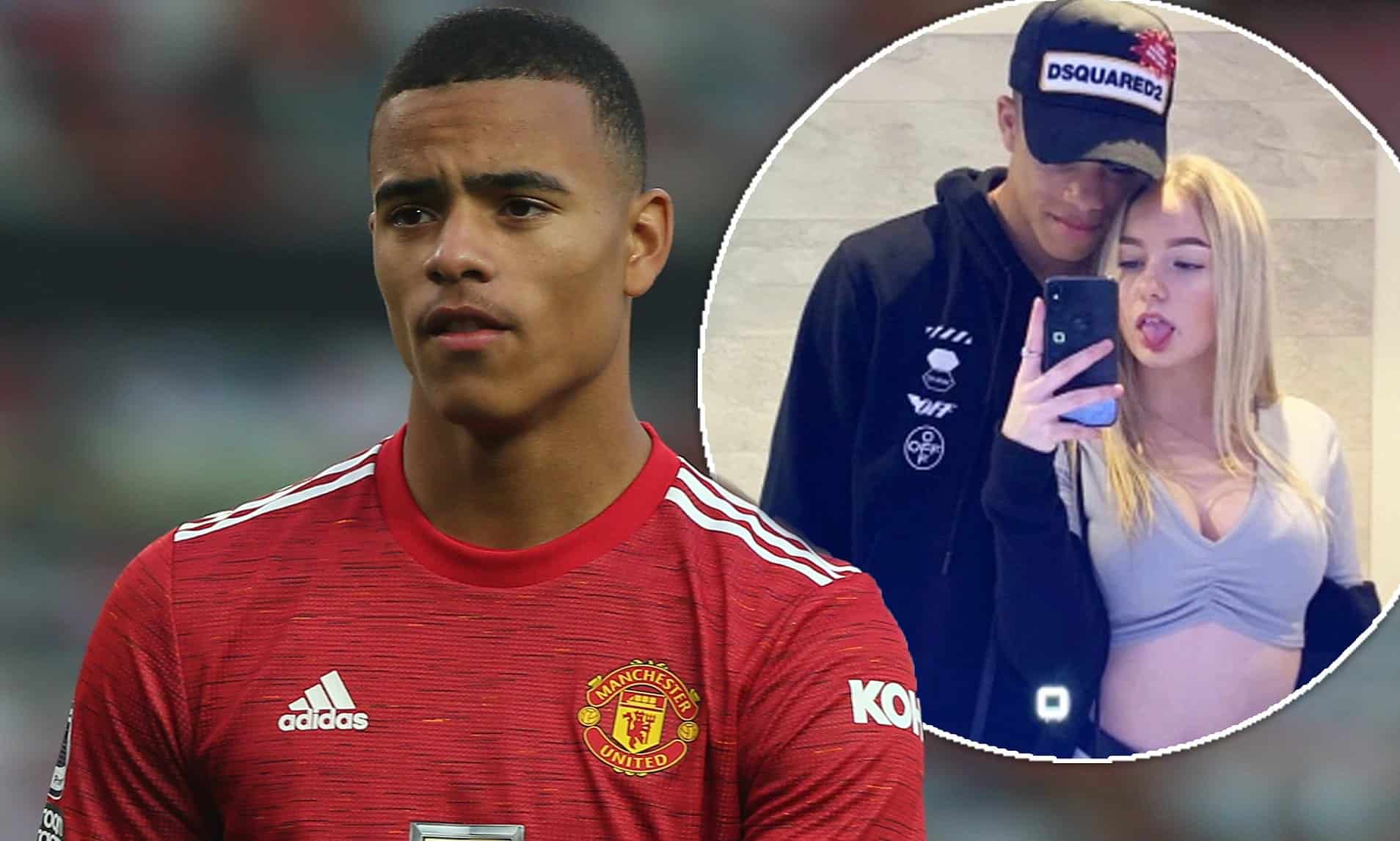
While the sporting world focuses on his undeniable talent and goal-scoring ability, the media remains locked in a battle over his presence in the league. Beye’s defense is rooted in the idea that once a player is accepted by a club and the governing bodies of the sport, the constant dredging up of past traumas and legal battles—while journalistically valid in a vacuum—becomes a form of harassment when it is the only lens through which the player is viewed.
Interestingly, the relationship between Beye and Greenwood has become a point of interest. Despite the external noise, reports indicate a positive dynamic between the two. Greenwood himself has noted that he has no issues with Beye, suggesting that the internal cohesion of the squad is far stronger than the external narrative suggests. This disconnect between the ” locker room reality” and the “media narrative” is precisely what Beye is fighting against.
The irony of the situation is that Greenwood’s performance on the pitch often provides the very ammunition the media uses to keep him in the headlines. Every goal and every assist brings a fresh wave of debate: does his talent excuse his past, or does his success make his presence more galling? By defending Greenwood, Beye is arguing for a separation between the athlete’s professional contributions and the relentless moral trial conducted by the press.
Beyond the Pitch: The Human Cost of Media Scrutiny
The debate sparked by Beye’s comments extends into the broader realm of sports psychology. The mental toll of being the primary target of a national media apparatus cannot be understated. When a player feels that every mistake is magnified not because of tactical failure, but because of a preconceived dislike of their character, the psychological burden becomes immense.
Beye’s intervention is a reminder that athletes are not merely assets or characters in a soap opera; they are individuals susceptible to the pressures of public shaming. In the modern era of social media, a negative narrative established by major sports outlets is instantly amplified by millions of fans, creating an echo chamber of hostility that can penetrate a player’s private life.
This situation raises critical questions for sports journalists:
- At what point does “holding a player accountable” transition into “relentless pursuit”?
- Is the media’s role to act as a moral arbiter, or to report on the sporting events as they unfold?
- How does the constant focus on a player’s personal history impact their ability to perform and integrate into a new community?
For Beye, the answer is clear: the current approach is an overreach. By calling out the press, he is attempting to create a protective barrier around the players, urging the media to return to a standard of reporting that prioritizes the sport over the spectacle of character assassination.
Ligue 1 Dynamics and the OM Victory at Le Havre
Despite the off-field drama, the match against Le Havre AC was a significant milestone for Olympique de Marseille. The victory on matchday 33 of Ligue 1 demonstrates the team’s resilience and their ability to perform under extreme external pressure. The tactical discipline shown during the game suggests that the internal friction Beye is fighting against has not yet bled into the team’s on-field chemistry.
The win at Le Havre is crucial for OM’s positioning in the table and their ambitions for the remainder of the season. In a league as competitive as Ligue 1, the ability to secure away wins against stubborn opponents is what separates the contenders from the mid-table dwellers. The performance was a testament to the squad’s focus, proving that they can tune out the noise—even when that noise is being amplified by the very people tasked with reporting on them.
However, the victory also serves as a catalyst for further scrutiny. In the eyes of the media, a win for OM—and a success for Greenwood—only increases the stakes of the narrative. The more successful the team becomes, the more the “moral” debate surrounding its members intensifies, creating a paradoxical loop where sporting success leads to increased personal pressure.
The Role of the Pundit in the Modern Game
Habib Beye’s position is unique. As a pundit and former player, he occupies a middle ground between the athletes and the journalists. He is paid to analyze the game, yet he retains the kinship of the locker room. This duality allows him to see the gaps in the media’s coverage—the things that are felt but not reported.

When Beye speaks out, he is leveraging his credibility to challenge his own peers in the media. It is a risky move, as it can lead to accusations of bias or “player protectionism.” However, in the context of Marseille, where loyalty is the highest currency, Beye’s willingness to stand up for a targeted individual is seen by many as an act of integrity.
This highlights a shift in sports broadcasting. We are seeing more former athletes move into analysis, bringing a human-centric perspective that was often missing in the era of traditional journalism. They are less interested in the “gotcha” moment and more interested in the psychological reality of the game. Beye’s reaction is a prime example of this evolution, prioritizing the mental well-being of the athlete over the sensationalism of the headline.
Key Takeaways from the Beye-Media Conflict
- The Quote: Habib Beye described the media treatment of certain OM personnel as an “acharnement” (relentless pursuit) that he had rarely seen before.
- The Catalyst: While OM won their match against Le Havre AC in Ligue 1 Matchday 33, the victory was overshadowed by Beye’s frustration with the press.
- The Focus: Much of the scrutiny is directed toward Mason Greenwood, whose past controversies continue to fuel media narratives despite his sporting contributions.
- Internal Unity: Despite external pressure, reports indicate a positive relationship between Beye and Greenwood, with the latter stating he has no issues with the analyst.
- The Ethical Debate: The situation has reopened a discussion on the boundary between journalistic accountability and personal harassment in professional sports.
As Olympique de Marseille continues its push through the final stages of the season, the tension between the club and the media is unlikely to dissipate. If anything, Beye’s comments have drawn a line in the sand. The coming weeks will reveal whether the press chooses to pivot toward a more balanced approach or if the “relentless pursuit” will only intensify.
The next critical checkpoint for the club will be their upcoming fixtures as they fight for a stronger finish in the Ligue 1 standings. All eyes will be on how the media handles the post-match press conferences and whether the narrative shifts back to the football, or remains fixed on the controversies that Beye so vehemently opposes.
What do you think about the balance between media accountability and athlete privacy? Should journalists focus solely on the pitch, or is the personal history of a player always relevant? Share your thoughts in the comments below and share this article to join the conversation.