Sofia, Bulgaria — May 11, 2026
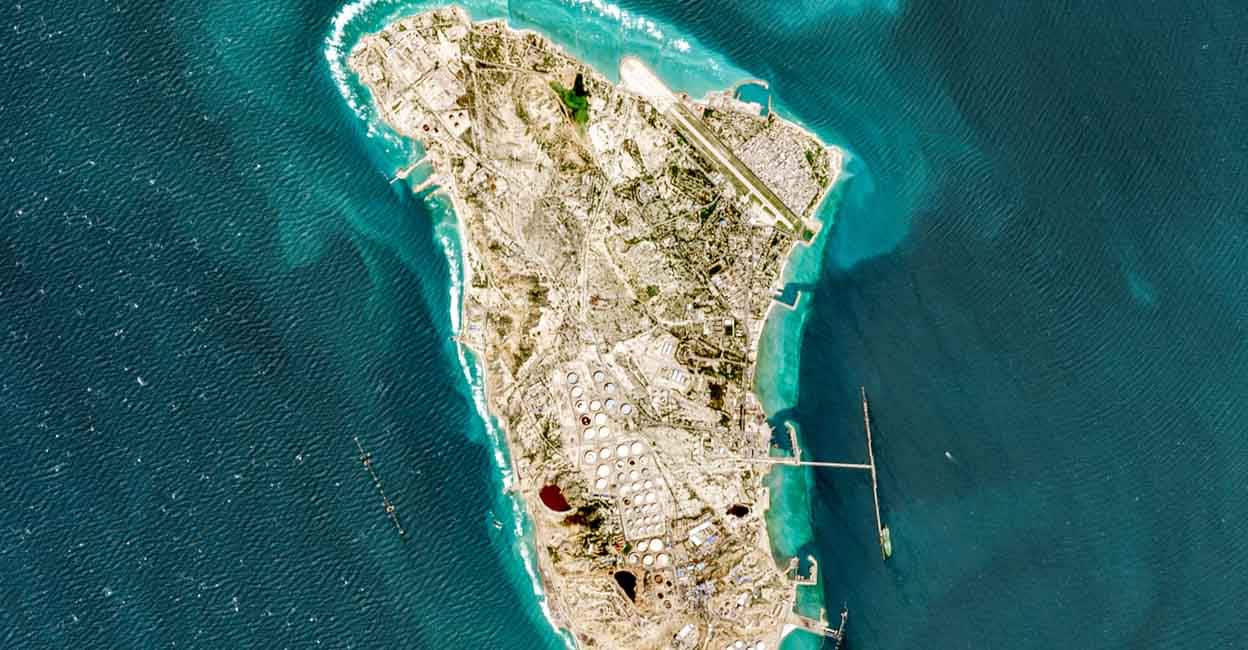
A sprawling oil slick now covering approximately 65 square kilometers near Iran’s Kharg Island—one of the world’s largest offshore oil terminals—has triggered alarm over an impending environmental catastrophe in the ecologically sensitive Strait of Hormuz. Satellite imagery and maritime intelligence firms confirm the spill’s rapid expansion, with a second, smaller slick (12–20 sq km) detected just hours ago, raising questions about the stability of Iran’s aging oil infrastructure amid heightened regional tensions.
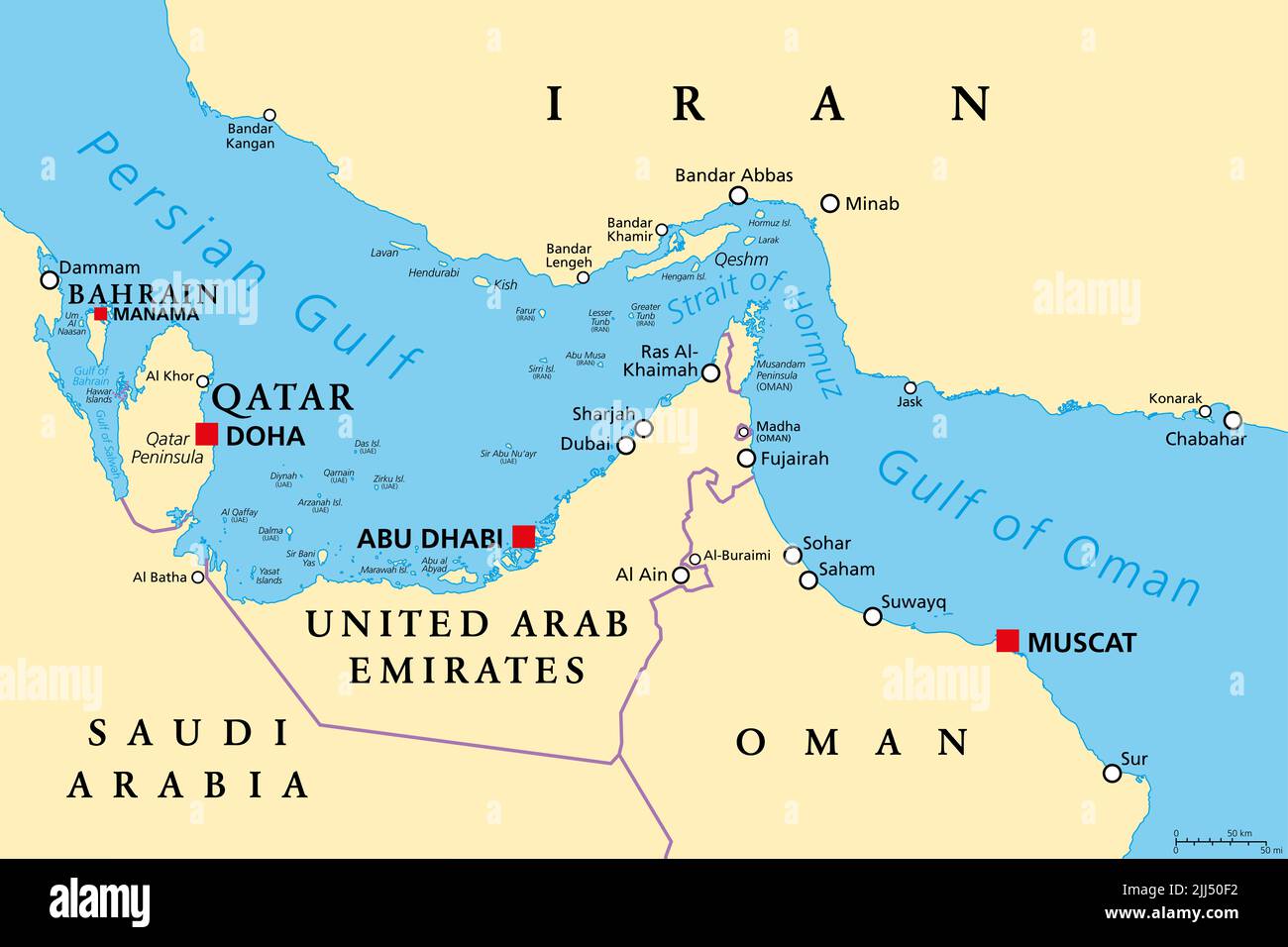
The slick, visible in satellite images as early as May 8, has drifted toward Saudi Arabian waters, threatening coastal fisheries, desalination plants, and marine habitats critical to both Iran and its Gulf neighbors. While Tehran has pointed to potential foreign vessel involvement, experts—including those from the United Nations University Institute for Water, Environment and Health—caution that the scale and location strongly suggest a failure in Iran’s pipeline or storage systems, possibly exacerbated by the “war mode” environment in the Strait of Hormuz since February 2026.
Why it matters: The Strait of Hormuz, through which roughly 20% of global oil supplies pass daily, has been a flashpoint since U.S. And Iranian forces engaged in a series of clashes in early 2026. A major oil spill here could disrupt global energy markets, worsen food security (via desalination plant shutdowns), and trigger mass marine die-offs, with long-term consequences for Gulf economies.
From Pipeline Rupture to Potential Sabotage: Theories Clash
Iran’s official stance blames “foreign interference,” but maritime analysts and U.N. Officials dismiss this as unlikely. Dr. Kaveh Madani, a senior U.N. Water expert, told Fox News Digital that the spill’s size and trajectory align with aging infrastructure risks—a problem Iran has long grappled with. “If this slick grows further, we must consider the possibility of a major leakage from pipelines or storage tanks,” Madani warned, adding that the region’s tens of thousands of barrels of crude oil at risk could trigger a regional ecological crisis.
In contrast, Fox News reports that retired U.S. Military officials, including Lt. Gen. Keith Kellogg, have speculated about sabotage as a potential cause, though no evidence has been publicly verified. Iran’s Islamic Republic News Agency (IRNA) has not commented on sabotage allegations, focusing instead on foreign vessel accusations—a narrative that mirrors past incidents in the Strait of Hormuz.
Key stakeholder reactions:
- Iran: Denies responsibility, cites “foreign interference”; no confirmation of pipeline failures.
- U.N. Environment Programme (UNEP): Warns of “catastrophic” ecological risks if spill reaches Saudi waters.
- Saudi Arabia: Monitoring desalination plant intakes; no official statement on spill impact.
- Global markets: Oil prices have risen by ~1.5% since May 8, per Bloomberg, as traders anticipate supply disruptions.
Ecological and Economic Fallout: Who Bears the Cost?
The Persian Gulf’s delicate ecosystem is already under strain from rising sea temperatures and overfishing. An oil spill of this magnitude could:
- Kill marine life: Tar balls and chemical dispersants used in cleanup efforts have devastated fisheries in past spills (e.g., 2015’s Kharg Island spill, which contaminated 100+ km of coastline).
- Shut down desalination plants: Saudi Arabia’s Shuaiba desalination facility, which supplies 30% of the kingdom’s water, is within the slick’s projected path.
- Disrupt global oil flows: Kharg Island handles ~1.2 million barrels of oil per day—any prolonged shutdown could trigger a IEA-level supply alert, pushing prices toward $100+/barrel.
- Exacerbate U.S.-Iran tensions: The spill occurs as both nations engage in proxy conflicts in Yemen and Iraq, with the U.S. Imposing secondary sanctions on Iranian oil traders.
What Happens Next? Cleanup Efforts and Unanswered Questions
Iran has deployed oil skimmers and boom barriers to contain the slick, but experts question their effectiveness given the spill’s size. The U.N. Environment Programme has offered technical assistance, but political tensions may delay coordination. Meanwhile:
- Satellite monitoring: Windward AI and Maxar Technologies are tracking the slick’s movement in real time.
- Market reactions: Traders are watching for updates from OPEC on Iranian production cuts.
- Geopolitical risks: Any confirmation of sabotage could escalate U.S.-Iran tensions, with potential retaliation against Iranian oil assets.
Next checkpoint: The U.N. Security Council is scheduled to hold an emergency session on May 12 to discuss the spill’s regional implications. Iran’s Islamic Consultative Assembly is also expected to debate emergency funding for cleanup efforts.
FAQ: What You Need to Know
Q: Could this spill shut down Kharg Island’s oil exports?
A: Unlikely in the short term, but prolonged containment efforts could force temporary shutdowns. Iran has 10+ storage tanks at Kharg with combined capacity for 30 million barrels, but spill cleanup could take weeks to months.
Q: Is this spill linked to U.S. Sanctions?
A: Indirectly. Sanctions have restricted Iran’s access to spare parts for pipelines and refineries, increasing the risk of leaks. However, no direct evidence ties the spill to sanctions violations.
Q: How does this compare to past spills?
A: The 2015 Kharg Island spill (from a pipeline rupture) contaminated 100+ km of coastline and cost Iran $100 million in cleanup. This spill is 650x larger in area but may have less immediate economic impact due to its offshore location.
Q: What can Gulf countries do to prepare?
A: Saudi Arabia and the UAE are advised to:
- Activate emergency desalination plant protocols.
- Deploy additional oil spill response teams.
- Monitor for toxic algal blooms (common after large spills).
A Call for Transparency and Action
As the oil slick expands, the international community faces a critical choice: Will this crisis be met with cooperation or escalation? With the Strait of Hormuz already a powder keg, the spill underscores the urgent need for joint U.N.-led monitoring of Iranian oil infrastructure—regardless of political divisions. For now, the only certainty is that the Persian Gulf’s fragile ecosystems and global energy markets hang in the balance.
What’s your take? Share your thoughts on how nations should respond to this environmental and geopolitical threat. Join the discussion or tweet this story to raise awareness.
🚨 BREAKING: Second oil slick detected near Iran’s Kharg Island, raising fears of a major environmental disaster in the Strait of Hormuz. Satellite imagery shows the spill expanding toward Saudi waters. #OilSpill #Iran