
Global diplomatic tensions remain high as indirect negotiations between the United States and Iran over a potential deal to ease regional conflicts enter a critical phase. With Tehran still reviewing Washington’s latest proposal and no formal response yet communicated, former U.S. President Donald Trump has expressed cautious optimism, calling the latest round of talks “very productive” in recent remarks. The developments come as regional allies—including Pakistan, which has played a key intermediary role—await Iran’s formal position, which officials say is still under internal review.
While the specifics of the U.S. Proposal remain undisclosed, diplomatic sources indicate the discussions focus on a multi-pronged approach: reducing Iranian military support to regional proxies in exchange for limited sanctions relief. The talks, facilitated through backchannels involving Pakistan, reflect a delicate balancing act for both sides. For the U.S., the goal appears to be stabilizing a volatile region without triggering broader escalation. For Iran, the calculus involves domestic political considerations and the potential economic benefits of sanctions relief.
Trump’s public comments, though not tied to a specific timeline, suggest a shift in tone compared to earlier skepticism about direct engagement with Tehran. His remarks—delivered during a campaign-style rally in New Hampshire—highlighted the importance of “pragmatic diplomacy” while reiterating long-standing U.S. Demands for Iranian restraint. However, analysts warn that any deal will face significant hurdles, including congressional resistance in the U.S. And hardline factions within Iran’s government.
Key Stakeholders and Regional Implications
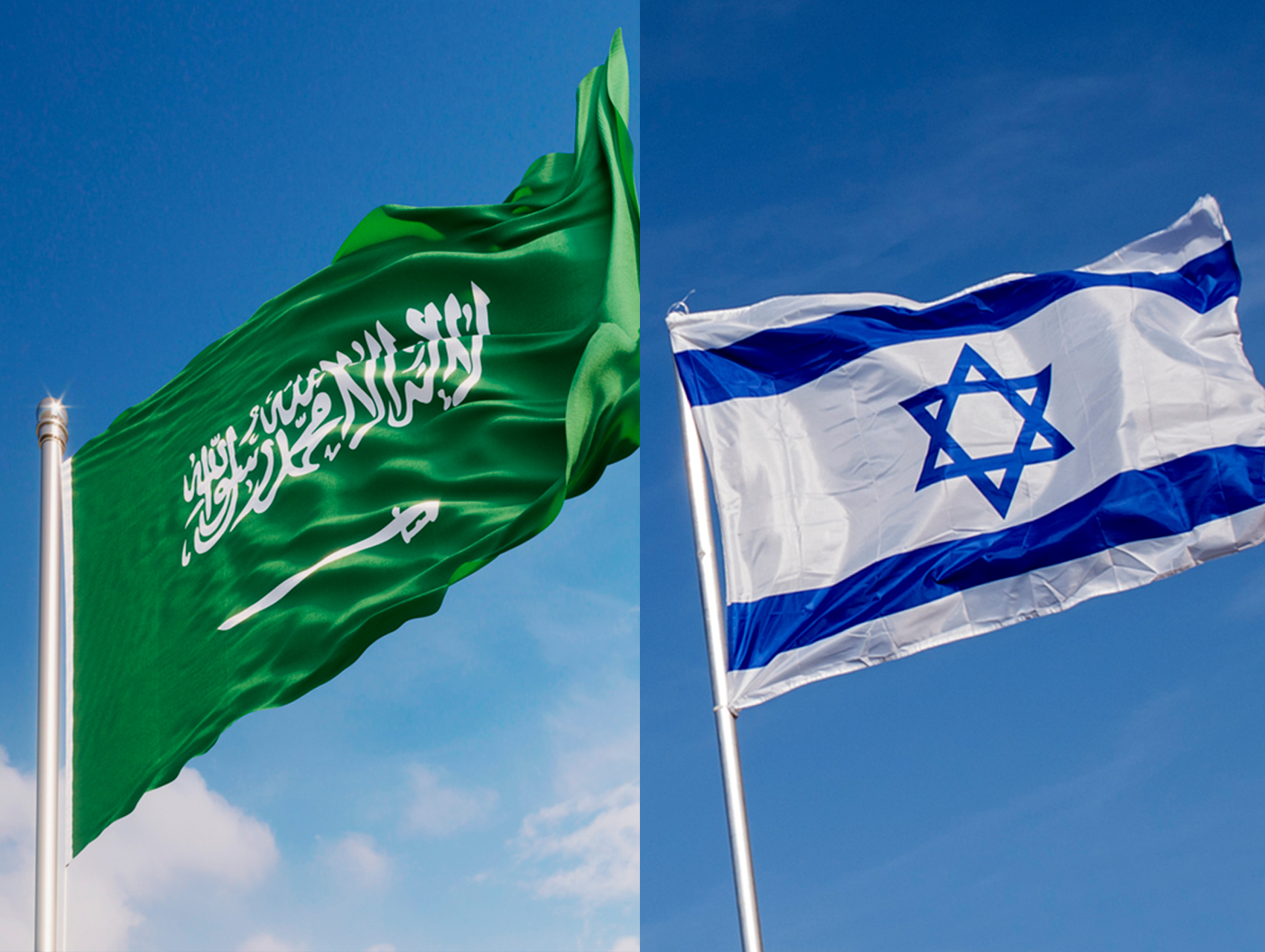
Iran’s response, expected to be relayed through Pakistan, will be closely scrutinized by regional powers, including Saudi Arabia and Israel. Riyadh, which has publicly opposed any concessions to Tehran, is likely to monitor the talks for signs of Iranian compliance with past agreements—particularly the 2015 nuclear deal, which the U.S. Unilaterally abandoned in 2018. Meanwhile, Israel has repeatedly warned against any revival of the nuclear accord without stricter guarantees on Iran’s ballistic missile program and regional activities.
Pakistan’s role as a mediator underscores the complexity of the negotiations. Islamabad has historically maintained neutral ties with both Washington and Tehran, but its influence may be limited by domestic political constraints. Recent statements from Pakistani officials emphasize the need for a “balanced approach” that addresses both security concerns and economic incentives for Iran.
What’s Next: The Path Forward
With no official confirmation of a timeline, the next critical checkpoint will likely be a formal response from Iran, expected within the next 7–10 days, according to diplomatic channels. Should Tehran accept the U.S. Proposal, the focus would shift to drafting a formal agreement, a process that could grab weeks or months. Alternatively, a rejection could trigger a reassessment of U.S. Strategy, potentially leading to renewed sanctions or military posturing.

For now, the talks remain shrouded in uncertainty. While Trump’s optimism suggests a willingness to engage, the absence of a clear Iranian response leaves room for speculation. Regional observers caution that any breakthrough will require not just diplomatic maneuvering but also a willingness from both sides to compromise on core issues.
Why This Matters: The Broader Context
The potential for a U.S.-Iran deal carries significant implications for global energy markets, given Iran’s oil reserves and the geopolitical dynamics of the Middle East. A thaw in relations could stabilize oil prices, which have fluctuated amid tensions in the Red Sea and broader supply chain disruptions. Conversely, a breakdown in talks risks further destabilization, with potential spillover effects on global trade routes and security alliances.
For readers seeking updates, official statements from the U.S. State Department and Iranian Foreign Ministry remain the most reliable sources. The U.S. Department of State website and Iranian Ministry of Foreign Affairs will likely provide the next confirmed developments. Meanwhile, regional allies such as Saudi Arabia and Israel are expected to issue statements in response to any Iranian move.
Key Takeaways
- Indirect talks continue: The U.S. And Iran are negotiating through Pakistan, with Iran still reviewing the latest U.S. Proposal.
- Trump’s cautious optimism: Former President Trump has described the talks as “very productive,” though specifics remain undisclosed.
- Regional watch: Saudi Arabia and Israel are monitoring the negotiations closely, with potential for hardened stances if Iran’s response is perceived as insufficient.
- Economic and security trade-offs: Any deal would likely involve sanctions relief in exchange for Iranian restraint on military activities in the region.
- Next steps: Iran’s formal response is expected within the next 7–10 days, with further negotiations contingent on Tehran’s acceptance.
- Global impact: A successful deal could stabilize oil markets and reduce tensions in the Red Sea, while failure risks further escalation.
As the diplomatic clock ticks, all eyes remain on Tehran. Whether this round of talks leads to a breakthrough or another dead end will hinge on the willingness of both sides to bridge their deep divisions. For now, the world waits—and watches.
What do you think about the potential for a U.S.-Iran deal? Share your thoughts in the comments below, and don’t forget to follow World Today Journal for the latest updates on this developing story.
Keep reading
- البطريرك الراعي خلال قداس تطويب البطريرك الياس الحويّك في الديمان: نشكر الله على علامات نجاح زيارة الرئيس عون إلى واشنطن – جريدة اللواء
- 대형마트 휴무일, 이마트·롯데마트·홈플러스·코스트코 ‘마트는 오늘?’ | bnt뉴스
- Trump Discusses the Speech He Almost Gave Before Assassination Attempt (newsdirectory3.com)
- Rescission Packages, Explained: The Route Trump Bypassed (daybreakwire.com)