Renewed Protests Challenge Iranian Regime Amid Economic Strain and Regional tensions
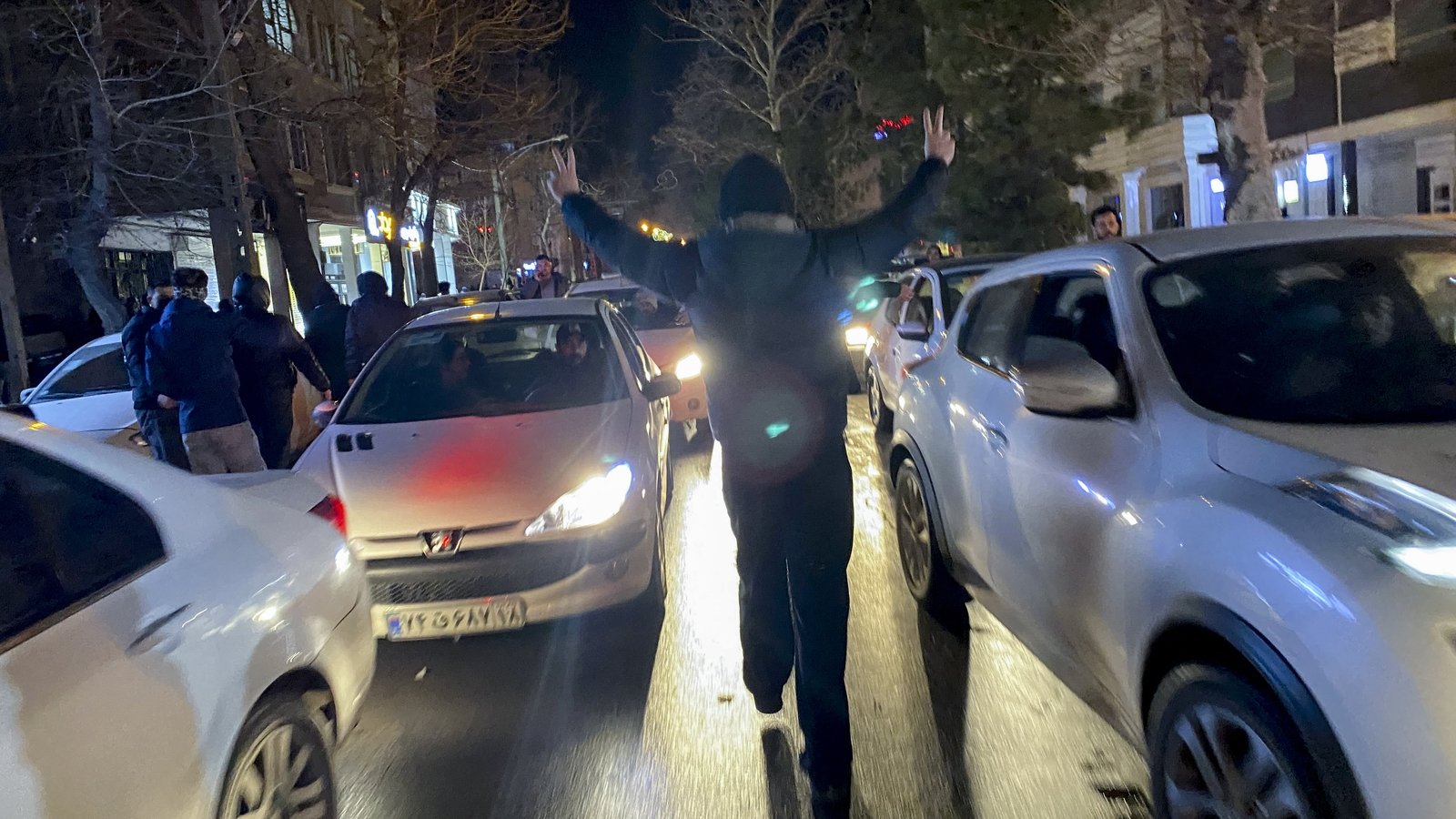
Tehran, Iran – Iran is once again grappling wiht widespread protests, ignited by a shopkeepers’ strike on December 28th and quickly escalating into demonstrations against the Islamic Republic’s clerical leadership. These protests, unfolding across 23 of Iran’s 31 provinces and impacting at least 40 cities, represent the most meaningful unrest as the 2022-2023 movement sparked by the death of Mahsa Amini, and pose a critical challenge to the authority of Supreme leader Ayatollah Ali Khamenei.
A Groundswell of Discontent:
The current wave of demonstrations is fueled by a confluence of factors, primarily severe economic hardship. President Masoud Pezeshkian‘s government is under immense pressure to address the escalating cost of living, prompting a recent declaration of a monthly allowance equivalent to $7 for citizens over the next four months – a measure widely seen as insufficient to alleviate the deep-seated economic pain.This economic distress is particularly acute in western Iran, where the protests are currently concentrated, and where significant populations of Kurdish and Lor minorities reside.
While not yet reaching the scale of the 2022-2023 protests, the current unrest is deeply concerning for the regime. It arrives at a particularly vulnerable moment,following a recent 12-day conflict with Israel in June that reportedly resulted in damage to nuclear infrastructure and the loss of key security personnel. This recent military engagement has further destabilized the region and exposed vulnerabilities within Iran’s security apparatus.
Escalating Violence and Repression:
The protests have been met with a harsh response from Iranian security forces. Reports from Norway-based human rights organizations, Hengaw and Iran Human Rights, detail a disturbing pattern of violence. On Saturday, Revolutionary Guards reportedly opened fire on protesters in Malekshahi county, Ilam province, resulting in the deaths of four members of Iran’s Kurdish minority. Dozens more were reportedly wounded. Both organizations accuse authorities of raiding the main hospital in Ilam to confiscate the bodies of the deceased, hindering autonomous verification and fueling further outrage. Funerals held on Sunday were reportedly punctuated by anti-government and anti-Khamenei slogans.
AFP has verified footage circulating online depicting what appear to be bloodied corpses, corroborating the reports of fatalities.Iranian state media, though, offers a contrasting narrative, claiming a member of the security forces was killed during a clash with “rioters” attempting to storm a police office, with two assailants also killed.
Sporadic demonstrations were reported in Tehran on Saturday night, concentrated in eastern, western, and southern districts. While the majority of shops remain open, the capital exhibits a noticeable decrease in pedestrian traffic, with a heavy presence of riot police and security forces deployed at major intersections.AFP journalists observed security forces utilizing tear gas to disperse protesters gathered in central tehran on Sunday.
Arrests and International Response:
The crackdown on dissent is intensifying, with HRANA reporting at least 582 arrests over the past week. Hengaw highlights that a disproportionate number of those killed are from ethnic minority groups,particularly Kurds and Lors,raising concerns about targeted repression.
The international community is closely monitoring the situation. Former U.S. President Donald Trump stated the United states is “locked and loaded” to respond should Iran harm protesters. Israeli Prime Minister Benjamin Netanyahu expressed solidarity with the Iranian people, suggesting they are ”taking their destiny into their own hands.”
Demonstrations in support of the Iranian protesters have also taken place internationally, with rallies held in Paris and London, demonstrating a global awareness and concern for the unfolding events.The presence of monarchist flags at the London rally indicates the diverse range of opposition groups seeking change within Iran.
Analysis & Implications:
These protests represent a significant inflection point for Iran. The combination of economic hardship, regional instability, and a perceived weakening of the security apparatus creates a volatile environment. The regime’s response – a blend of limited economic concessions and forceful repression – is unlikely to quell the underlying discontent.
Expert Insight: “the current protests are not simply about economic grievances; they are a manifestation of decades of pent-up frustration with the political and social restrictions imposed by the Islamic Republic,” explains Dr. [Fictional Expert Name], a leading Middle East analyst at [Fictional Institution]. “the Amini protests demonstrated the depth of this discontent, and the current unrest suggests that the regime has failed to address the root causes.”
The situation is further complicated by the potential for escalation. A continued crackdown on protesters could trigger a wider and more violent
Related reading
- Rick Ross Fires Back at 50 Cent: “Set in Stone” Named Album of the Year
- Thailand Government Savings Bonds “Aom Plus”: How to Buy, Rates, and Dates
- Liverpool Transfer News: Live Updates, Rumours and Target Tracking (world-today-news.com)
- South Africa Faces R467 Billion Municipal Debt Crisis Amid Rising Xenophobia (time.news)