Iran’s Economic Crisis Fuels Widespread Protests: A Deep Dive
Are you witnessing the escalating unrest in Iran and wondering what’s driving it? The recent surge in protests, joining students with shopkeepers, signals a critical moment for the nation, rooted in a rapidly deteriorating economic situation. This isn’t simply about discontent; it’s about a struggle for basic economic survival as Iran edges closer to hyperinflation and the value of its currency plummets. Let’s explore the factors behind this crisis, the nature of the protests, and what it all means for the future.
The Plunging Rial and Hyperinflation Fears
The Iranian rial has been on a steep downward spiral, losing significant value against major currencies. This devaluation directly translates to a soaring cost of living for ordinary Iranians. Consider this: essential goods, from food to medicine, are becoming increasingly unaffordable. Recent reports indicate a dramatic increase in prices – some staples have doubled or even tripled in cost within months.
This situation is fueling fears of hyperinflation, a scenario where prices increase at an uncontrollable rate, eroding purchasing power and destabilizing the economy. While official inflation figures are often disputed, independent economists estimate that Iran is perilously close to crossing that threshold. The impact on your daily life, if you’re an Iranian citizen, is profound.
From Market Stalls to university Campuses: The Spread of Protests
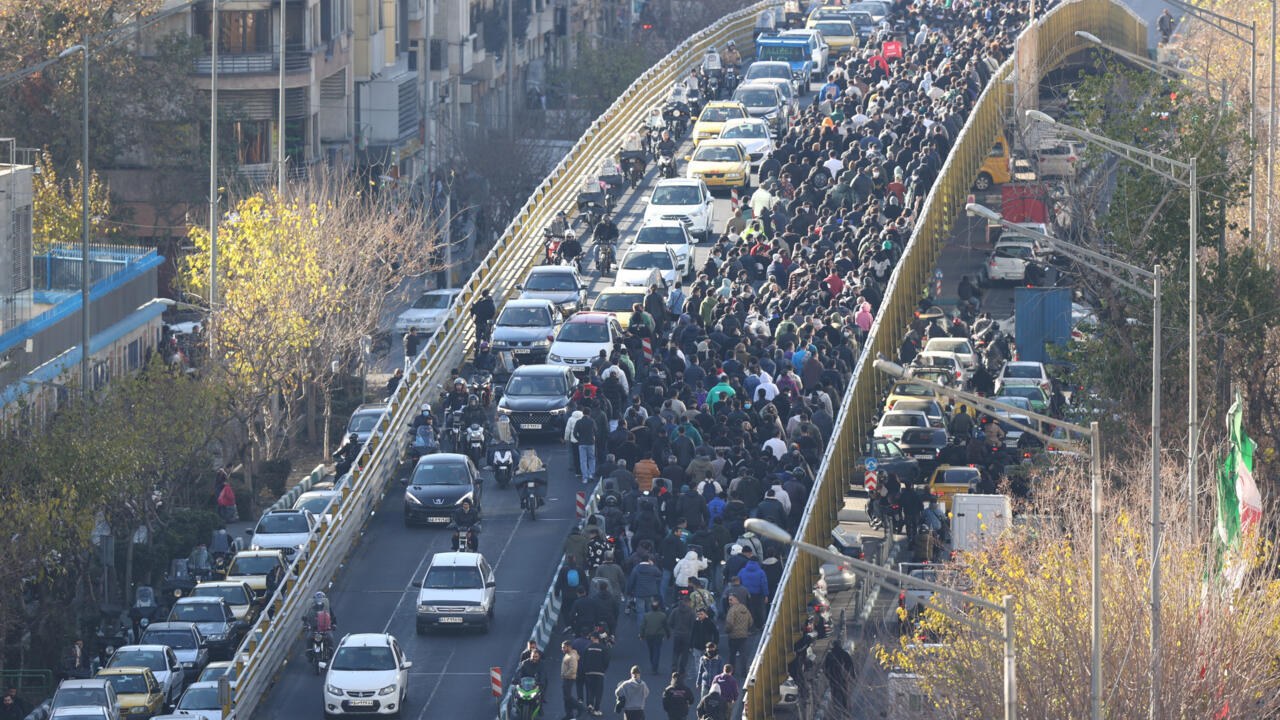
Initially sparked by shopkeepers protesting rising costs on December 28th, the demonstrations quickly gained momentum. Students joined the movement on December 30th, transforming the unrest into the largest seen since the “Woman, Life, Freedom” protests of 2022.This widespread participation is a key indicator of the depth of the crisis and the growing frustration with the current economic policies.
These aren’t isolated incidents. They represent a culmination of years of economic mismanagement, international sanctions, and political repression. The protests are a direct response to the tangible hardships faced by Iranians, and they’re a demand for change.
Understanding the Root Causes: Beyond Currency Devaluation
Several interconnected factors contribute to Iran’s economic woes. Let’s break them down:
* International Sanctions: Imposed over Iran’s nuclear program, sanctions have severely restricted the country’s access to global markets and financial systems. This limits its ability to export oil – a crucial revenue source - and import essential goods.
* Economic Mismanagement: Critics point to decades of flawed economic policies, including price controls, subsidies, and a lack of diversification, as contributing factors.
* Corruption: Widespread corruption within the government and business sectors further exacerbates the economic problems, diverting resources and undermining trust.
* Geopolitical Tensions: Regional instability and conflicts add to the economic strain, impacting trade and investment.
* Declining Oil Revenue: Fluctuations in global oil prices and reduced export capacity due to sanctions considerably impact Iran’s income.
these factors create a vicious cycle, where economic hardship fuels social unrest, which in turn further destabilizes the economy.
What Does This Mean for Iran’s Future?
The current protests represent a significant challenge to the Iranian government. The scale and breadth of the demonstrations suggest a growing willingness among Iranians to openly express their discontent. The government’s response will be crucial in determining the future trajectory of the country.
Possible scenarios include:
* Increased Repression: A crackdown on protests could temporarily suppress dissent but is unlikely to address the underlying economic problems.
* Economic reforms: Implementing meaningful economic reforms, such as reducing subsidies, diversifying the economy, and tackling corruption, could alleviate some of the pressure. However, such reforms are politically sensitive and could face resistance.
* Political Dialog: Engaging in dialogue with opposition groups and civil society could open a path towards a more inclusive and enduring solution.
* Continued Instability: Without addressing the root causes of the crisis, Iran risks prolonged economic instability and further social unrest.
The situation remains fluid and unpredictable. However, one thing is clear: