
The diplomatic standoff between Washington and Tehran has reached a critical juncture as the United States rejects the latest peace proposal from Iran, leaving the Middle East in a state of precarious tension. On Friday, May 1, 2026, President Donald Trump announced he was not satisfied
with the modern offer aimed at ending the conflict, citing demands from Tehran that he cannot agree to.
The conflict, which began approximately two months ago with a joint U.S.-Israeli offensive against Iran, has entered its 64th day. While a ceasefire imposed on April 7 has been extended, the failure to reach a permanent agreement has left both nations poised between a return to active hostilities and a fragile, mediated diplomacy. The current deadlock centers on two primary points of contention: the future of Iran’s nuclear program and the strategic control of the Strait of Hormuz.
Tehran has signaled a willingness to prioritize diplomacy to end the war, but Iranian officials suggest that the responsibility for the next move now lies with the United States. This sentiment mirrors earlier rhetoric from the U.S. Administration, where Vice President JD Vance previously stated that the ball was in Iran’s court to secure a deal. With both sides now claiming the other holds the key to peace, the region remains on a knife-edge.
The Rejected Proposal: Shipping and Nuclear Deadlocks
The latest proposal, transmitted via Pakistan—which is acting as the mediator in the discussions—attempted to decouple the immediate military crisis from the long-term nuclear dispute. According to a senior Iranian official, the rejected plan would have seen Iran reopen shipping lanes in the Strait of Hormuz and the United States end its blockade of Iran, while deferring detailed negotiations on the nuclear program for a later date NBC News.
The Strait of Hormuz remains a volatile flashpoint. As one of the world’s most critical maritime chokepoints, it handles approximately 20% of the world’s total trade in oil. The U.S. Office of Foreign Assets Control issued an alert on Friday, May 1, warning shipping companies that they could face sanctions if they pay Iran to ensure safe passage through the strait AP News. This move increases pressure on Tehran but also complicates efforts to reopen the waterway for global commerce.
President Trump has expressed frustration with what he describes as a fractured
Iranian leadership, cautioning that ending the conflict too prematurely could allow tensions to resurface in a way that jeopardizes long-term stability. The U.S. Administration appears unwilling to grant the reopening of the strait or the lifting of the blockade without concrete, immediate guarantees regarding Iran’s nuclear capabilities.
Military Risks and the ‘Painful’ Response
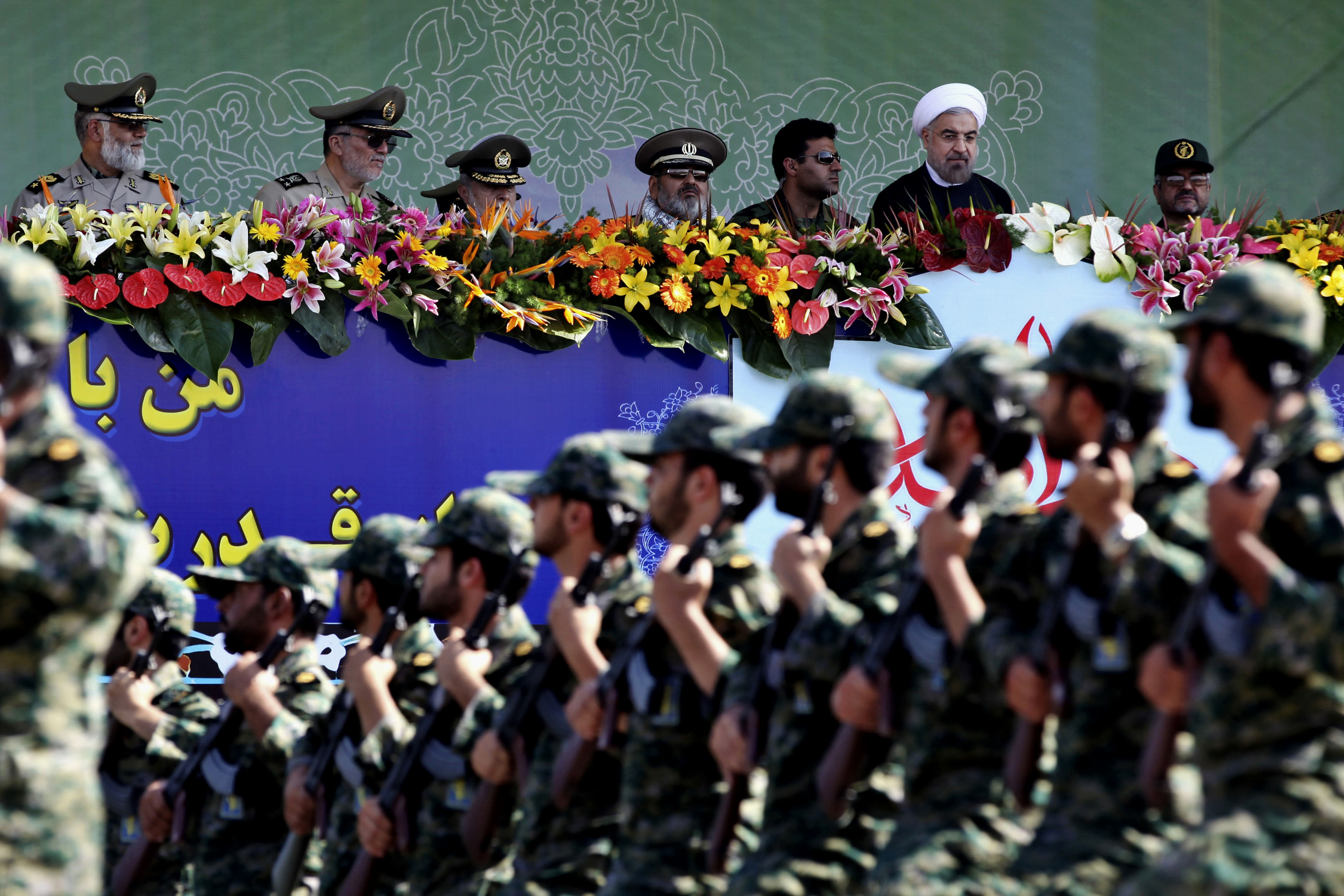
Despite the diplomatic overtures, Tehran has not ruled out a return to military action. On May 1, 2026, Iran warned that it is prepared to launch long and painful strikes
on U.S. Positions across the Gulf region should Washington renew its attacks Al Jazeera. This threat underscores the high stakes of the current ceasefire extension.
The internal dynamics of the negotiations have also shifted. Vice President JD Vance and Iranian Foreign Minister Abbas Araghchi have emerged as the primary figures leading the talks in Islamabad. While Vance has been vocal about his opposition to the war, the gap between the two administrations remains wide, particularly regarding the sovereignty of the strait and the verification of nuclear disarmament.
The legal landscape in Washington is also playing a role. On May 1, President Trump informed Congress that hostilities in Iran have terminated
since the April 7 ceasefire. This announcement coincided with a deadline under the War Powers Resolution of 1973, which would have required the President to ask Congress for a formal declaration of war or authorization for the use of military force CNBC. By asserting that hostilities are terminated, the administration avoids a formal Congressional vote on the war’s legality while maintaining the option for targeted military action.
Key Points of the Current Standoff
| Issue | United States Position | Iranian Position |
|---|---|---|
| Strait of Hormuz | Demands full international access; sanctions payments to Iran. | Claims authority over the strait; offers reopening in exchange for blockade lift. |
| Nuclear Program | Requires immediate, verified dismantlement as a condition for peace. | Proposes deferring nuclear talks to prioritize an end to military hostilities. |
| Diplomatic Path | Rejects current proposals as insufficient; blames “fractured” leadership. | Claims to be “ready” for diplomacy; asserts the “ball is in the USA’s court.” |
| Military Status | Maintains extended ceasefire; avoids War Powers Resolution deadline. | Threatens “long and painful” responses if attacks resume. |
What This Means for Global Markets
From a financial perspective, the instability in the Persian Gulf continues to inject volatility into global energy prices. The threat of a renewed conflict or a prolonged blockade of the Strait of Hormuz creates a “risk premium” on crude oil, affecting everything from transport costs to inflation rates in developed economies. For investors, the lack of a definitive peace treaty means that the Middle East remains a primary source of geopolitical risk.
The role of Pakistan as a mediator in Islamabad suggests that both parties are seeking a face-saving exit, but the fundamental disagreement over the nuclear program remains an existential hurdle. If the U.S. Continues to reject proposals that decouple the nuclear issue from the ceasefire, the risk of a tactical miscalculation leading to a wider regional war remains significant.
As the world watches the 64th day of this conflict, the central question is whether the U.S. Will pivot toward a more flexible diplomatic framework or double down on its “maximum pressure” strategy to force a total nuclear surrender from Tehran.
The next critical checkpoint will be the continued monitoring of the extended ceasefire and any further communications between the U.S. Delegation in Islamabad and the Iranian Foreign Ministry. Further updates on the status of the Strait of Hormuz and any official statements from the White House regarding a revised proposal are expected in the coming days.
We invite our readers to share their perspectives on the current diplomatic deadlock in the comments below. How should the international community balance energy security with nuclear non-proliferation?
Keep reading