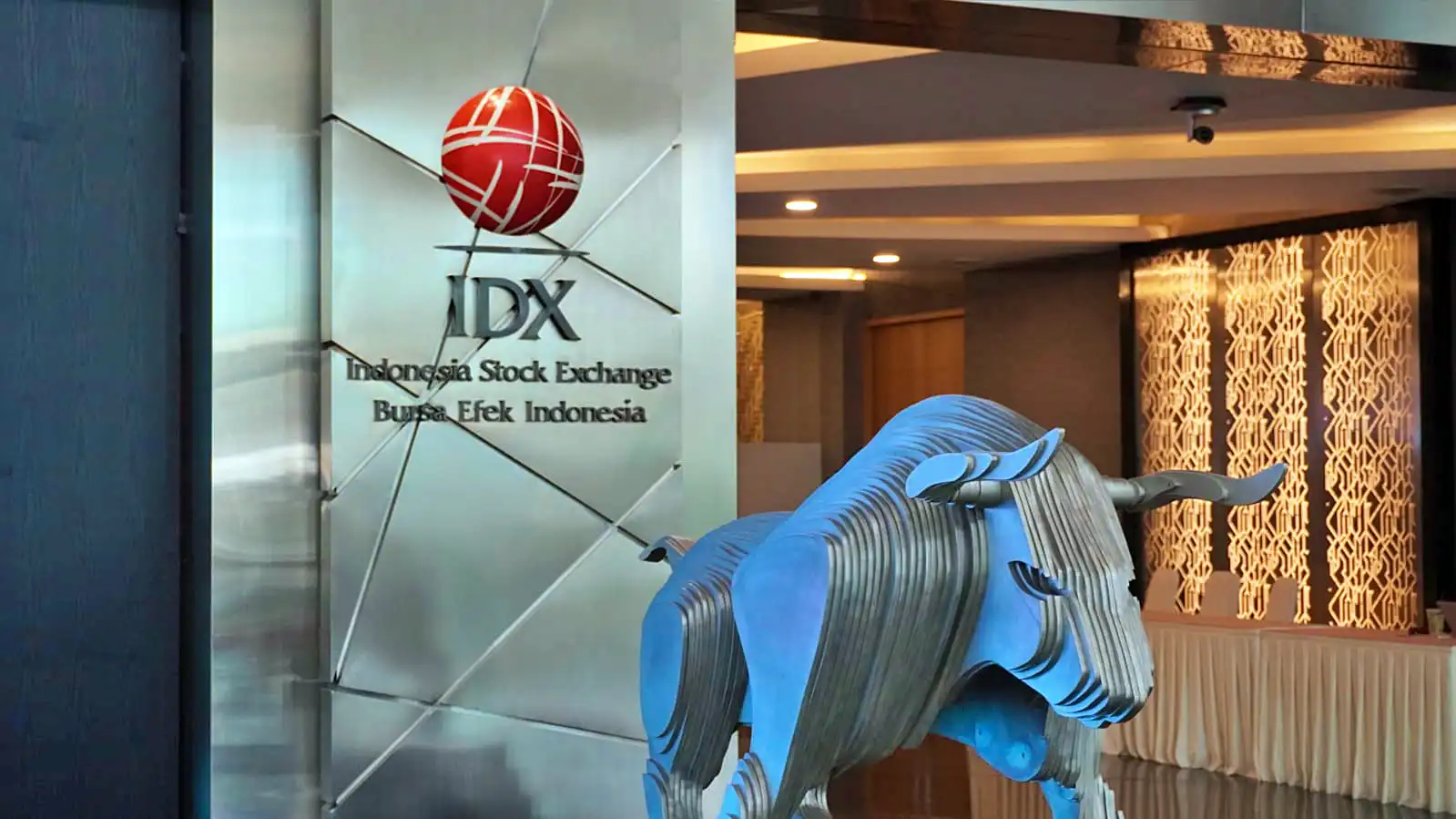
The Indonesian stock market has recently witnessed a significant shift in capital movement, as a specific group of assets became a primary destination for substantial liquidity. In a single week of trading, a concentrated influx of approximately Rp1.1 trillion was parked across ten specific stocks, signaling a strategic pivot by institutional or high-net-worth investors seeking stability or growth amid broader market volatility.
This surge in targeted investment comes at a critical juncture for the Jakarta Composite Index (IHSG). Although the broader market has faced headwinds—including a reported capital outflow of Rp2.95 trillion between April 20 and April 24, 2026, according to CNBC Indonesia—the accumulation of Rp1.1 trillion in a select few tickers suggests a “flight to quality” strategy. Investors are increasingly moving away from speculative plays and toward companies with robust fundamentals or strategic importance.
For global investors and economic analysts, this trend highlights the resilience of certain Indonesian sectors despite macroeconomic pressures. The concentration of funds into these ten stocks reflects a calculated bet on specific corporate recoveries or sector-wide tailwinds, providing a roadmap for where the “smart money” is currently positioned in Southeast Asia’s largest economy.
Decoding the ‘Parking’ Strategy: Why These 10 Stocks?
In financial parlance, “parking money” refers to the act of placing capital into low-risk or high-conviction assets for a short-to-medium term, often while waiting for a more opportune entry point into other markets or awaiting a specific catalyst. The allocation of Rp1.1 trillion into ten specific Indonesian stocks indicates a high level of confidence in these entities’ ability to preserve value.
Market analysts suggest that this behavior is often driven by several key factors:
- Dividend Play: Many of the targeted stocks are known for consistent dividend payouts, making them attractive “parking” spots during volatile periods.
- Institutional Accumulation: Large funds often accumulate positions slowly over a week to avoid spiking the price, leading to the “parking” effect observed in the data.
- Sectoral Rotation: As capital exits broader indices, it often rotates into defensive sectors such as consumer staples, telecommunications, or state-owned enterprises (SOEs) with government backing.
The scale of this movement—Rp1.1 trillion in just seven days—is substantial enough to influence the short-term price action of the affected tickers. When such a concentrated amount of liquidity enters a small group of stocks, it creates a support floor, making these assets less susceptible to the general downward trend seen in the wider IHSG.
The Broader Context: Capital Outflow vs. Targeted Inflow
To understand the significance of this Rp1.1 trillion inflow, it must be viewed against the backdrop of the wider Indonesian market. The contrast is stark: while a select group of stocks is seeing massive accumulation, the overall market has struggled with foreign capital flight.
According to reports from Akurat.co, foreign investors withdrew Rp2.95 trillion from the Indonesian stock market in the final week of April 2026. This broader trend of “capital outflow” is often linked to rising interest rates in developed markets or geopolitical instability, which prompts investors to move funds back to “safe haven” currencies like the US Dollar.
However, the fact that Rp1.1 trillion was simultaneously “parked” in ten specific stocks proves that the exodus is not universal. It suggests a bifurcation in the market: a general exit from the index, but a targeted entry into specific high-value assets. This indicates that while the “macro” view of Indonesia might look bearish to some, the “micro” view—the individual company level—remains highly attractive for those with a specific investment thesis.
Key Market Dynamics at a Glance
| Metric | General Market Trend | Targeted Asset Trend |
|---|---|---|
| Capital Flow | Net Outflow (Rp2.95 Trillion) | Net Inflow (Rp1.1 Trillion) |
| Investor Behavior | Broad Selling/Index Exit | Concentrated “Parking” |
| Primary Driver | Macroeconomic Pressures | Company Fundamentals/Dividends |
| Impact | IHSG Pressure | Price Support for Top 10 Stocks |
What Which means for the Global Investor
For those monitoring emerging markets, the “parking” of Rp1.1 trillion serves as a signal. It demonstrates that there is still significant appetite for Indonesian equities, provided the assets offer a clear value proposition. This trend is particularly relevant for those looking at the “Big Caps” of the Indonesia Stock Exchange (IDX), where liquidity is highest and the impact of institutional movement is most visible.
The strategy of parking funds is often a precursor to a larger rally. When institutional investors build a “base” in a stock, they are effectively removing supply from the market. Once the broader market sentiment stabilizes, these stocks are often the first to break out to the upside because the majority of the shares are held by “strong hands”—investors who are not likely to panic-sell at the first sign of a dip.
Investors should keep a close eye on the following indicators to determine if this “parking” phase is transitioning into a growth phase:
- Volume Spikes: An increase in trading volume accompanying a price rise suggests that the “parked” money is now being actively traded for profit.
- Corporate Earnings: Strong quarterly reports from the ten targeted companies would validate the institutional bet.
- Foreign Net Buy Shifts: A reversal of the overall Rp2.95 trillion outflow toward a net inflow would signal a return of confidence in the Indonesian market as a whole.
Next Steps and Market Outlook
As the market moves into May 2026, the focus will shift toward the official corporate filings and quarterly earnings reports for the companies that benefited from this Rp1.1 trillion influx. These documents will reveal whether the accumulation was based on anticipated dividends, strategic mergers, or operational efficiencies.
The next critical checkpoint for investors will be the release of the May monthly inflation data and the subsequent meetings of the central bank, which will dictate the interest rate environment—a primary driver for both foreign capital inflows and domestic “parking” strategies.
We want to hear from you: Do you believe the current trend of targeted accumulation in Indonesia is a sign of a looming recovery, or a temporary hedge against volatility? Share your analysis in the comments below or share this article with your professional network.
Related reading