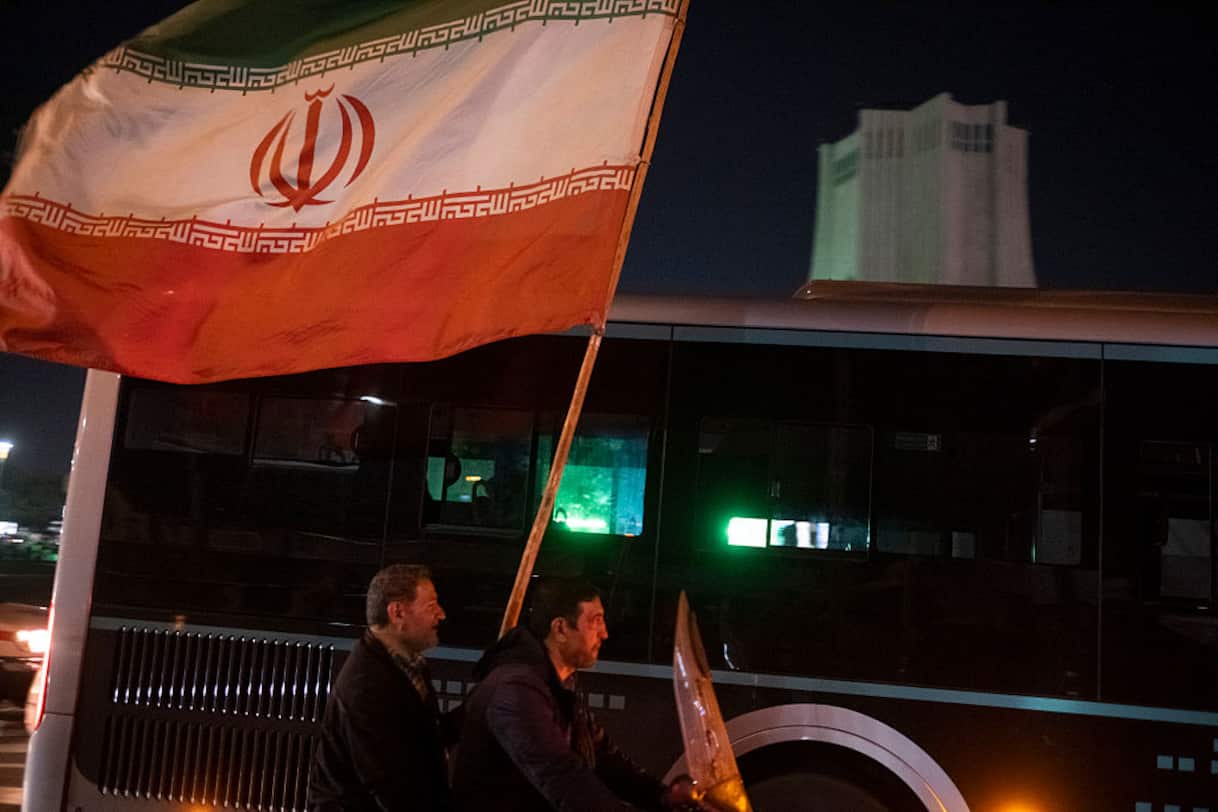
Diplomatic efforts to resolve the conflict between the United States and Iran have entered a critical phase as Tehran submits a new proposal to mediators, attempting to decouple the immediate cessation of hostilities from the long-standing deadlock over its nuclear program. The proposal, delivered via regional intermediaries, seeks a swift end to the war and the reopening of the strategic Strait of Hormuz, provided the U.S. Lifts its naval blockade.
The move comes amid a fragile ceasefire and follows a period of intense shuttle diplomacy in Islamabad. While Tehran is pushing for a sequenced approach—prioritizing the restoration of global oil transit and the end of military conflict—the Trump administration has expressed skepticism, maintaining that any lasting peace must address the core issue of Iran’s nuclear capabilities.
The geopolitical stakes remain exceptionally high. The Strait of Hormuz, through which a significant portion of the world’s petroleum passes, has become a primary flashpoint. Tehran’s offer to reopen the waterway is a calculated attempt to alleviate global economic pressure and gain leverage, but Washington appears hesitant to grant concessions without a comprehensive nuclear agreement in place.
Tehran’s Proposal: Prioritizing the Strait of Hormuz
According to reporting from Al Jazeera, the Iranian proposal focuses on two primary immediate goals: the end of the ongoing war and the reopening of the Strait of Hormuz. In exchange for these actions, Iran is requesting that the United States lift its current blockade of the waterway.

A pivotal element of the offer is the request to postpone negotiations regarding Iran’s nuclear program. By deferring the most contentious issue, Tehran hopes to establish a baseline of stability and trust before tackling the complex requirements of a nuclear deal. This strategy aims to separate the immediate humanitarian and economic crisis caused by the war from the long-term strategic goals of the U.S. Intelligence and defense communities.
However, the U.S. Response has been described as cool. Reports from NBC News indicate that the White House showed little immediate enthusiasm for a deal that would reopen the strait without securing concrete nuclear concessions. The administration remains wary of a scenario where Iran regains economic stability and naval freedom without relinquishing its path toward a nuclear weapon.
Pakistan’s Role as an Unlikely Mediator
The diplomatic traffic has centered largely on Islamabad, where Pakistan has emerged as a key facilitator for the two adversaries. Iranian Foreign Minister Abbas Araghchi has made multiple visits to Pakistan, including a high-level meeting with Pakistan’s Army Chief Asim Munir on April 25, 2026, to discuss the framework for a peace deal according to Al Jazeera.
Pakistan’s efforts to revive direct talks have seen mixed results. While the country successfully hosted groundbreaking direct discussions shortly after the initial ceasefire, a second round of peace talks scheduled for April 25 in Islamabad collapsed before they could start as reported by Times Now. This collapse underscores the deep mistrust between Washington and Tehran and the limits of third-party mediation when the primary actors remain far apart on fundamental security requirements.
Trump Weighs Troop Reductions in Europe
Parallel to the negotiations in the Middle East, President Donald Trump has signaled a potential shift in U.S. Military posture in Europe. On April 30, 2026, the President indicated he is open to reducing the number of American military personnel stationed in Italy and Spain via Bloomberg.
The potential drawdown is reportedly linked to the administration’s frustration with NATO members who have been perceived as insufficiently supportive of the U.S. Position during the Iran war. When asked specifically about pulling troops from Italy and Spain, President Trump responded yeah, probably
according to Military Times.
This potential move follows a similar review of U.S. Troop levels in Germany. The threat of withdrawal has created tension within the alliance, with Italian officials reportedly struggling to understand the specific reasons behind the potential troop cuts in the context of the broader Iran conflict.
Domestic Pressure and the War Powers Resolution
In Washington, the conflict has triggered a significant legislative battle. On April 29, 2026, U.S. Senator Adam Schiff and Senate Democratic Leader Chuck Schumer announced they would force a vote on a War Powers Resolution intended to end the conflict, citing the war as illegal per a press release from Senator Schiff’s office.
The resolution, scheduled for a vote on Thursday, April 30, represents a direct challenge to the executive branch’s authority to continue hostilities 60 days into the conflict. This domestic political pressure adds another layer of urgency for the Trump administration to either secure a diplomatic breakthrough or provide a more robust legal justification for the ongoing military engagement.
Summary of the Current Diplomatic Deadlock
| Issue | Tehran’s Position | Washington’s Position |
|---|---|---|
| Strait of Hormuz | Reopen in exchange for lifting the U.S. Blockade. | Wary of reopening without nuclear guarantees. |
| Nuclear Program | Postpone negotiations until after a ceasefire. | Central to any lasting peace agreement. |
| Military Presence | Demands end to U.S. Hostilities, and blockade. | Reviewing troop levels in Europe based on ally support. |
| Mediation | Utilizing Pakistan for shuttle diplomacy. | Skeptical of proposals that decouple nuclear issues. |
The international community now awaits whether the U.S. Will accept the sequenced approach proposed by Iran or if the deadlock will lead to a further escalation of hostilities. The next critical checkpoint will be the outcome of the U.S. Senate’s deliberations regarding the War Powers Resolution and any subsequent response from the White House to the Iranian proposal delivered via Pakistan.
World Today Journal encourages readers to share this report and join the conversation in the comments section below.