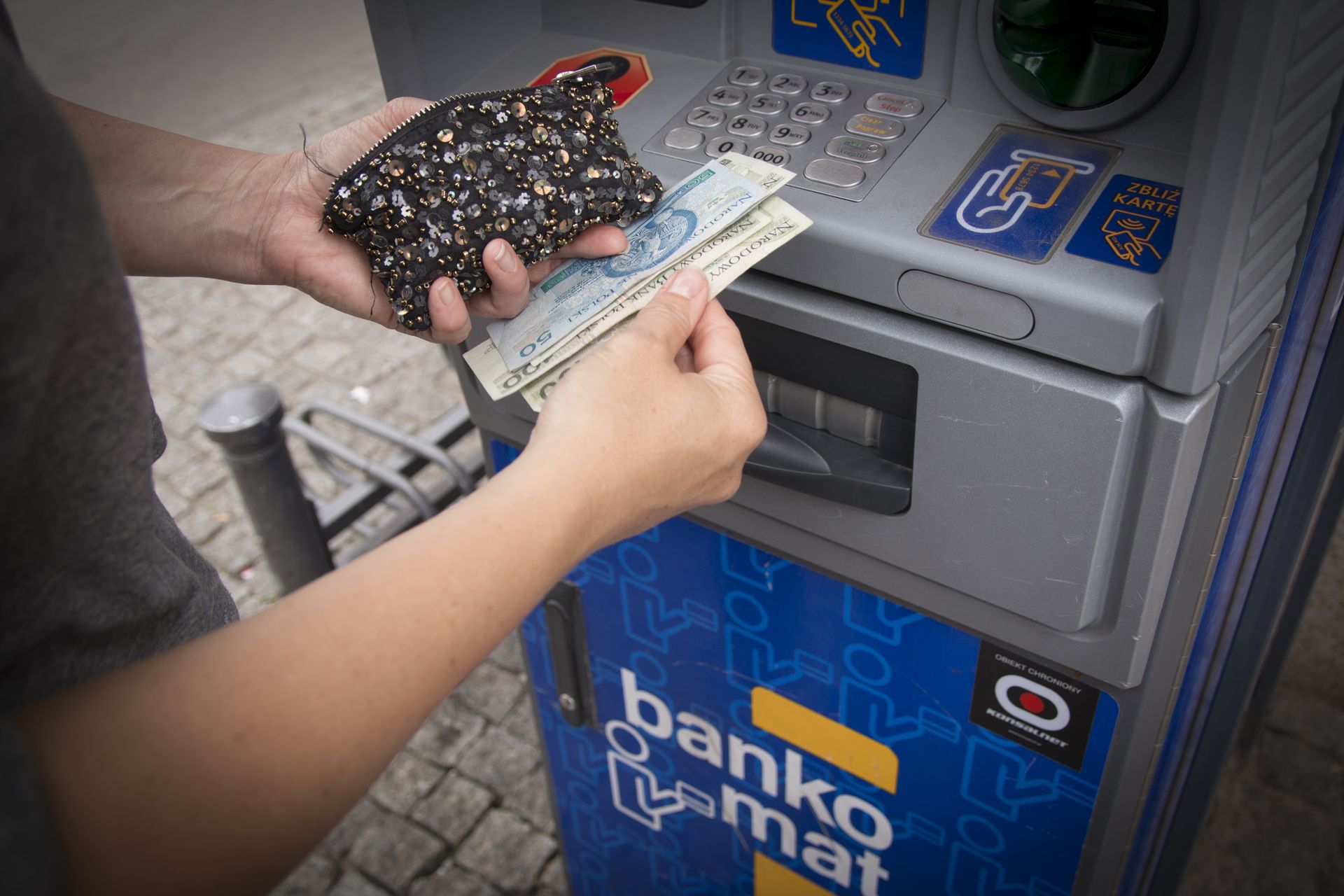
A growing number of Polish citizens are shifting their savings from bank accounts into physical currency, a trend that financial analysts describe as cash hoarding
. This movement toward liquidity is not merely a nostalgic return to traditional saving methods but a strategic reaction to heightened geopolitical tensions, cyber threats, and a general distrust in the permanence of digital infrastructure.
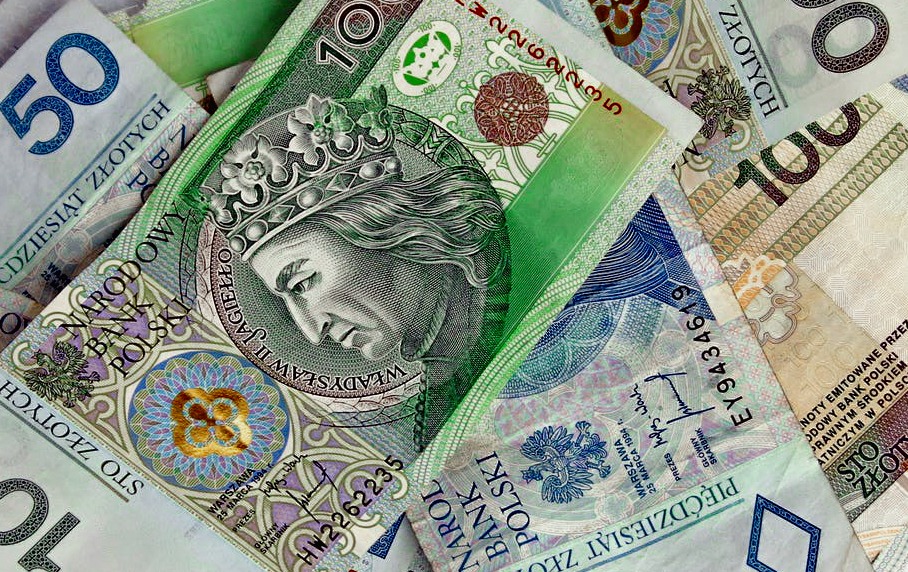
According to data from the National Bank of Poland (NBP), the value of cash in circulation reached a record 443 billion PLN by the finish of August 2025, representing a 7.4% increase compared to the previous year Money.pl. This surge reflects a broader societal shift where more than 66% of Poles now view physical cash as a primary form of security WP Finanse.
As Chief Editor of Business at World Today Journal and an economist, I have observed this pattern in several emerging markets during periods of volatility. Yet, the scale of the current trend in Poland is notable, driven by a cocktail of systemic fears and practical concerns about the reliability of electronic payment systems during crises.
The Drivers of Cash Hoarding in Poland
The decision to withdraw significant sums from the banking system is rarely based on a single factor. Experts point to a combination of psychological and systemic triggers that are pushing depositors toward the ATM.
Geopolitical instability remains a primary driver. With the ongoing conflict in neighboring Ukraine and sporadic reports of airspace violations, some citizens are preparing for worst-case scenarios. The fear is that in the event of a large-scale conflict or hybrid warfare, digital banking systems could be disabled by cyberattacks or power grid failures, leaving those without physical currency unable to purchase basic necessities.
Beyond war scenarios, there is a growing concern regarding the vulnerability of the digital financial ecosystem. Recent reports highlight that cyberattacks and systemic failures are no longer theoretical risks but active threats that can freeze access to funds for hours or days. For many, the security
of a bank account is now perceived as secondary to the accessibility
of cash in a wallet.
Some analysts also suggest that the rise in cash holdings is linked to the “grey economy,” where transactions outside the formal banking system allow individuals to avoid regulatory oversight or taxation. However, the prevailing sentiment among the general public appears to be one of risk mitigation rather than tax evasion.
Institutional Recommendations: A Shift in Stance
Historically, the push toward a cashless society was championed by both banks and regulators. However, a subtle shift is occurring. Some European central banks have begun recommending that citizens maintain a modest reserve of physical cash for emergencies—a move that seems to contradict the digital-first narrative of the last decade.
These recommendations are typically framed around emergency preparedness
. The logic is simple: if electronic payment systems fail, a small amount of cash can sustain a household for a few days until services are restored. While there is no official, singular “mandated amount” for every Polish citizen, experts suggest that the reserve should be sufficient to cover essential needs for a short period, though some warn against hoarding excessive amounts that could be lost or stolen.
The timing of these withdrawals often coincides with periods of high anxiety. For instance, the lead-up to the May 2026 holiday weekend saw a spike in banking activity. The National Clearing House (KIR) reminded customers that because Friday, May 1, is a public holiday, interbank transfers via the Elixir system would not be processed until Monday, May 4 Interia Biznes. While What we have is a routine operational matter, it often reinforces the perceived “slowness” or “unreliability” of digital transfers compared to the immediacy of cash.
Key Takeaways for Consumers
- Liquidity Risk: Digital systems are efficient but vulnerable to cyberattacks and infrastructure failures.
- Psychological Security: For 66% of Poles, cash is now viewed as a critical safety net.
- Circulation Trends: Cash in circulation grew by 7.4% year-on-year to reach 443 billion PLN by late 2025.
- Expert Advice: Maintain a modest emergency reserve rather than withdrawing all savings, to balance security with the risk of theft.
The Economic Impact of Mass Withdrawals
From a macroeconomic perspective, widespread cash hoarding can have several implications. When money leaves the banking system, it reduces the amount of liquidity banks have available for lending, which can theoretically impact credit availability for businesses and homeowners.
the NBP must manage the physical supply of banknotes to ensure that ATMs remain stocked during periods of “panic withdrawals.” If a significant portion of the population attempts to withdraw funds simultaneously, it can create a feedback loop of anxiety, where the sight of long lines at ATMs encourages others to do the same, regardless of the actual stability of the banks.
Polish banks remain capitalized and regulated under European Union standards. The current trend is more a reflection of a crisis of confidence in infrastructure
than a crisis of solvency in banks
. Most citizens are not worried that the bank will go bankrupt, but rather that they will be unable to log into their app during a blackout.
Practical Guidance for Financial Preparedness
For those considering adjusting their holdings, financial advisors suggest a balanced approach. Total reliance on either digital or physical currency carries risks.
The Case for Cash: Physical currency is the only medium of exchange that functions without electricity, internet, or a functioning cellular network. In a crisis, it is the most reliable way to secure food, medicine, and transport.
The Case for Digital: Bank accounts offer protection against theft, provide interest (though low in some cases), and allow for the easy movement of large sums. Keeping millions of PLN in a home safe is a significant security risk.
The consensus among financial planners is to maintain a “tiered” emergency fund: a small amount of cash for immediate 72-hour survival, a liquid savings account for medium-term needs, and long-term investments for wealth preservation.
As we move further into 2026, the tension between the convenience of the digital economy and the security of physical assets will likely persist. The Polish experience serves as a case study for other nations in the region, demonstrating how geopolitical proximity to conflict can rapidly alter consumer behavior and financial priorities.
The next critical window for monitoring these trends will be the quarterly report from the National Bank of Poland, which will provide updated figures on cash circulation and liquidity trends for the first half of 2026.
Do you keep a cash reserve for emergencies, or do you trust digital systems entirely? Share your thoughts and experiences in the comments below.
Related reading