
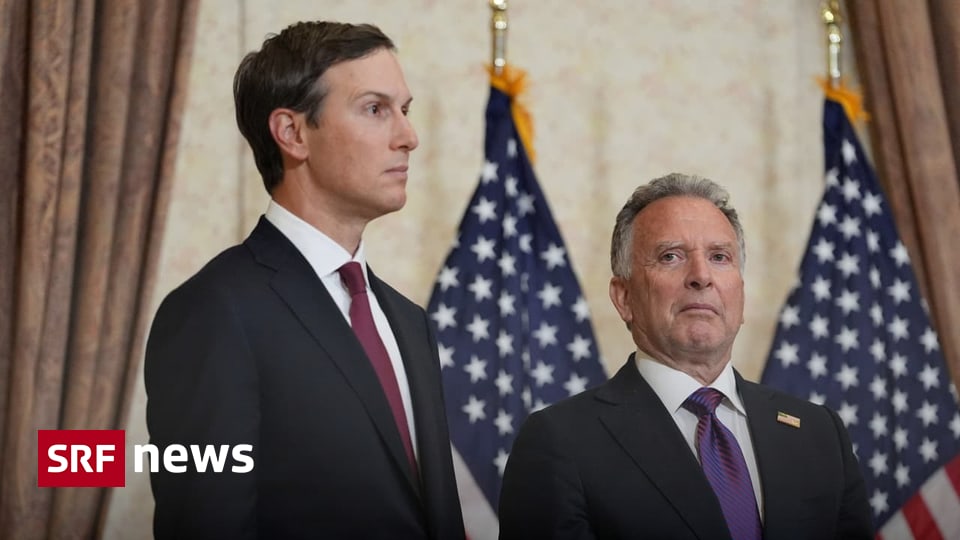
On Friday, April 24, 2026, reports emerged that U.S. Envoys Steve Witkoff and Jared Kushner are preparing to travel to Pakistan for renewed discussions with Iranian officials regarding the ongoing conflict in the Middle East. The planned trip comes amid stalled negotiations between the United States and Iran, with both sides seeking diplomatic pathways to de-escalate tensions. According to multiple verified reports, the envoys will meet with Iranian intermediaries in Islamabad, where Pakistan is acting as a facilitator in the dialogue.
The White House spokesperson, Karoline Leavitt, confirmed the travel plans during an appearance on Fox News, stating that Witkoff and Kushner would depart early Saturday to meet with representatives of the Iranian delegation in Pakistan. This marks another attempt by the Trump administration to reopen channels of communication that have remained inactive in recent weeks. The initiative underscores the continued effort to explore diplomatic solutions despite the lack of formal progress in direct U.S.-Iran talks.
Simultaneously, Iran’s top diplomat, Foreign Minister Abbas Araghchi, is expected to arrive in Islamabad on Friday evening to engage with Pakistani officials who are mediating between Tehran and Washington. Araghchi’s itinerary includes meetings with Pakistan’s Army Chief, General Asim Munir, Prime Minister Shehbaz Sharif, and Foreign Minister Ishaq Dar. These discussions are intended to allow Iran to present a counterproposal in the ongoing negotiations with the United States, as reported by Iran’s state news agency, IRNA.
The diplomatic movement follows a period of heightened tension in the region, particularly concerning maritime security in the Strait of Hormuz, a critical chokepoint for global oil shipments. Disruptions to shipping through the strait have contributed to volatility in energy markets, with oil prices fluctuating in response to diplomatic developments. Analysts have noted that any progress in talks could ease economic pressures tied to the blockade of the waterway, which has affected global trade and contributed to inflationary trends in multiple economies.
Pakistan’s role as a mediator reflects its longstanding diplomatic engagement with both the United States and Iran. Islamabad has maintained communication channels with Tehran and Washington even during periods of heightened hostility, leveraging its geographic and political position to facilitate backchannel talks. The current initiative builds on earlier efforts where Pakistani officials helped arrange indirect communication between the two sides, particularly during previous rounds of negotiation over Iran’s nuclear program and regional influence.
While the specific agenda of the talks has not been publicly disclosed, sources indicate that discussions may include confidence-building measures, potential de-escalation steps, and frameworks for addressing mutual concerns. The involvement of high-level envoys like Witkoff, who serves as a special envoy to the Middle East under President Trump, and Kushner, a senior advisor with extensive experience in foreign policy portfolios, signals the seriousness with which the administration is treating the outreach effort.
No formal statements have been issued by the Iranian government confirming the exact nature of the proposals to be discussed in Pakistan. However, IRNA reported that Araghchi intends to consult with Pakistani mediators before proceeding further in his regional diplomatic tour, which is expected to include stops in Oman and Moscow after the Pakistan visit. This sequencing suggests a broader strategy by Tehran to coordinate its diplomatic messaging across multiple international capitals.
The timing of these diplomatic moves coincides with ongoing consultations among European nations regarding regional stability. Earlier in the week, EU member states held an informal summit in Cyprus to discuss steps toward reducing tensions in the Gulf. During that meeting, German officials indicated a willingness to consider gradual easing of sanctions against Iran if a comprehensive agreement were reached to restore freedom of navigation through the Strait of Hormuz. Such a development could alleviate economic strain on global energy markets and reduce risks to international shipping.
As of now, neither the White House nor the Iranian Foreign Ministry has released a detailed readout of the expected outcomes from the Pakistan meetings. Observers caution that while the talks represent a renewed effort at dialogue, no breakthroughs are guaranteed, and the process remains fragile. The success of the initiative will depend on whether both sides can find common ground on issues that have long stalled negotiations, including sanctions relief, regional security concerns, and confidence-building mechanisms.
For ongoing updates on diplomatic developments between the United States and Iran, readers are encouraged to consult official statements from the U.S. State Department, the Iranian Ministry of Foreign Affairs, and verified reports from international news agencies such as Reuters, Associated Press, and Agence France-Presse. These sources provide the most reliable and timely information on high-level diplomatic engagements.
Stay informed about global diplomatic efforts by following verified news outlets and official government channels. Share this article to help others understand the evolving situation in Middle Eastern diplomacy, and join the conversation by leaving your thoughts in the comments section below.