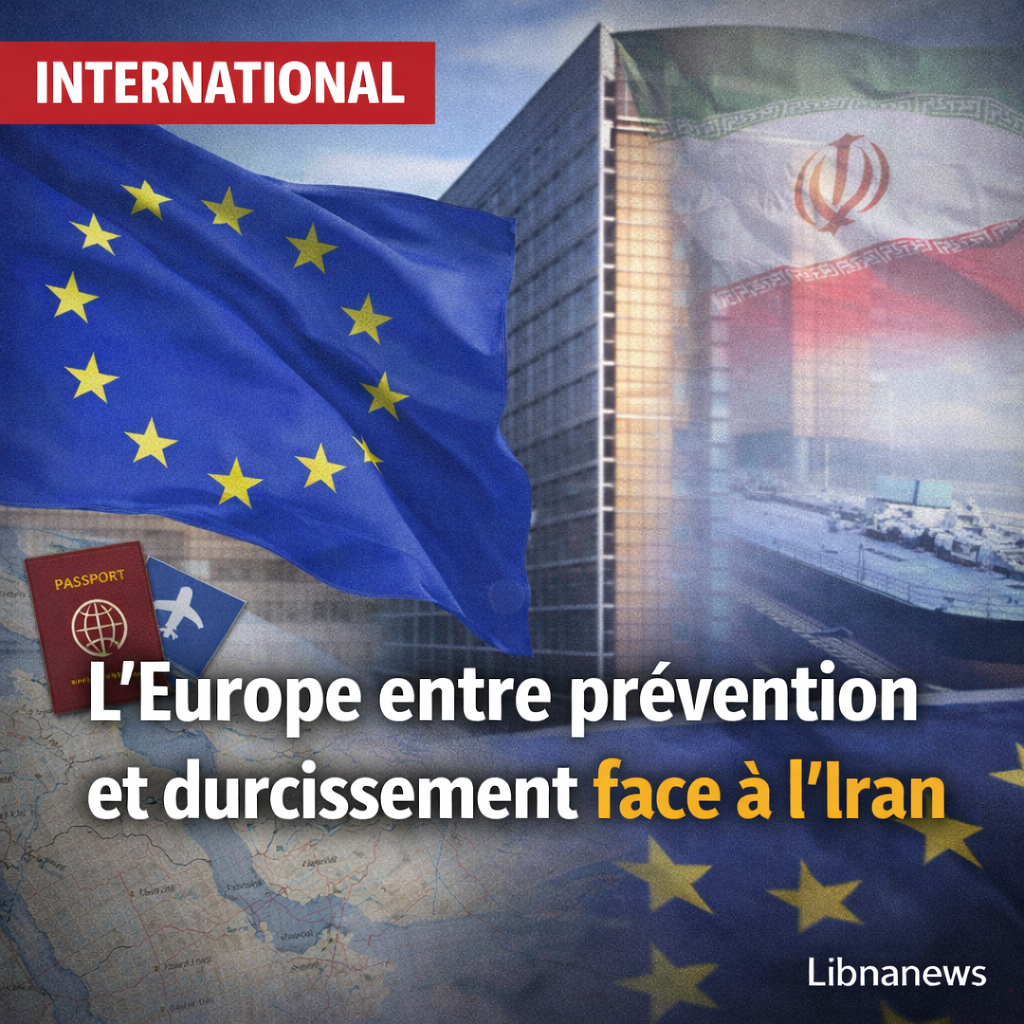
European capitals are bracing for potential escalation in the Middle East, responding to heightened tensions with a dual strategy of citizen protection and increased security measures. Poland’s Prime Minister Donald Tusk issued a stark warning on Thursday, February 19, 2026, urging all Polish citizens to leave Iran “immediately,” citing a “exceptionally real” possibility of conflict. This call to action reflects a growing European concern over the volatile situation, compounded by a significant U.S. Military buildup in the region and ongoing negotiations surrounding Iran’s nuclear program. The situation is further complicated by widespread anti-regime protests within Iran, adding another layer of uncertainty to an already precarious geopolitical landscape.
The urgency expressed by Warsaw isn’t isolated. Several European nations, including Italy, Germany, Spain, and Cyprus, issued similar advisories in mid-January, recommending their citizens either depart Iran or avoid travel altogether. This coordinated response signals a shared assessment of the escalating risks and a proactive approach to safeguarding European nationals. Beyond the immediate safety of citizens, European governments are also focused on mitigating potential disruptions to critical infrastructure, energy supplies, and migration patterns should the situation deteriorate further.
European Concerns Extend Beyond Citizen Safety
The anxieties within European capitals extend beyond the immediate protection of their citizens. A key concern revolves around the potential for indirect consequences stemming from a wider conflict. Specifically, the security of vital shipping lanes and the stability of global energy markets are paramount. The Strait of Hormuz, a critical chokepoint for oil tankers, is particularly vulnerable, and any disruption to maritime traffic could have significant economic repercussions. European nations, heavily reliant on energy imports, are acutely aware of the potential for price spikes and supply shortages. The European Union is therefore preparing to absorb a potential shock to energy supplies and trade routes, recognizing that it is more likely to be a recipient of the fallout from a conflict than a direct instigator.
European policymakers are considering the potential for increased migration flows resulting from a regional conflict. Instability in the Middle East has historically triggered waves of displacement, placing strain on European social and political systems. The ongoing debates surrounding immigration and border security within the EU make this a particularly sensitive issue. The possibility of a rapid escalation is driving a sense of urgency, prompting governments to prioritize preventative measures and prepare for a potential influx of refugees. The current situation is reminiscent of previous crises in the region, where political instability has led to significant humanitarian consequences and increased pressure on European borders.
A Legal Shift: The IRGC Designated a Terrorist Organization
Alongside these preventative measures, the European Union has taken a significant step to harden its political and legal stance towards Tehran. On Thursday, February 19, 2026, the Council of the European Union announced the designation of the Islamic Revolutionary Guard Corps (IRGC) as a terrorist organization, following an agreement reached during the Foreign Affairs Council meeting on January 29th. This decision represents a formal and binding action, significantly altering the framework for engagement with the IRGC.
The listing of the IRGC on the EU’s terrorist list carries substantial implications. It restricts financial transactions, limits travel, and effectively criminalizes support for the organization within the EU. This move is intended to isolate the IRGC and disrupt its activities, which European intelligence agencies have linked to destabilizing actions in the region and threats to European security. The designation also sends a strong political signal, demonstrating the EU’s resolve to counter what it perceives as Iran’s malign influence. Yet, this action also complicates diplomatic efforts, potentially hindering future negotiations and further escalating tensions. The IRGC has been accused of supporting proxy groups and carrying out attacks in neighboring countries, contributing to regional instability.
A Two-Pronged European Approach: Protection and Constraint
The sequence of events – the urgent calls for citizens to depart Iran coupled with the IRGC’s terrorist designation – illustrates a distinctly two-pronged European approach. Governments are simultaneously prioritizing the safety of their citizens and reinforcing the legal and political constraints on Iran. This strategy reflects a desire to limit immediate risks even as simultaneously sending a clear message of firmness to Tehran. The EU appears to be preparing for a potential crisis while simultaneously tightening the screws on one of the key actors involved. This dual approach underscores the complex calculations European policymakers are making as they navigate the escalating tensions in the Middle East.
The timing of these actions is particularly noteworthy. The U.S. Military buildup in the region, including the deployment of two aircraft carrier strike groups – the USS Abraham Lincoln and the USS Gerald R. Ford – alongside advanced fighter jets, has undoubtedly contributed to the heightened sense of urgency in Europe. While the U.S. Continues to pursue diplomatic channels, including ongoing nuclear talks in Geneva, the military deployments signal a willingness to consider more forceful options. This has prompted European nations to reassess their own risk profiles and take proactive steps to protect their interests. The potential for miscalculation or unintended consequences remains a significant concern, and European leaders are urging restraint from all parties involved.
The situation is further complicated by the internal dynamics within Iran. The surge in anti-regime protests, with approximately 250,000 people rallying in Munich on February 14th, alongside demonstrations in cities like Toronto and Los Angeles, demonstrates widespread discontent with the current government. These protests, fueled by economic hardship and political repression, add another layer of instability to the region and increase the risk of escalation. The exiled opposition figure, Reza Pahlavi, has been a prominent voice in calling for regime change, further complicating the political landscape.
The European response is also shaped by the broader geopolitical context, including the ongoing war in Ukraine and the rising competition between major powers. The EU is seeking to maintain a unified front and avoid being drawn into a wider conflict. However, the potential for spillover effects from the Middle East, particularly in terms of energy security and migration, necessitates a proactive and coordinated approach. The EU’s commitment to multilateralism and diplomacy remains strong, but it is also prepared to defend its interests and uphold international law.
Looking ahead, the situation remains highly fluid and unpredictable. The next key development to watch will be the outcome of the ongoing nuclear talks in Geneva. The success or failure of these negotiations will have a significant impact on the trajectory of the crisis. European officials are closely monitoring the situation and preparing for a range of scenarios, from a de-escalation of tensions to a full-scale conflict. The EU is also likely to continue to coordinate its response with the United States and other international partners.
The evolving situation in Iran and the broader Middle East demands continued vigilance and a commitment to diplomatic solutions. We encourage readers to share their perspectives and engage in constructive dialogue on this critical issue. Please leave your comments below and share this article with your networks.