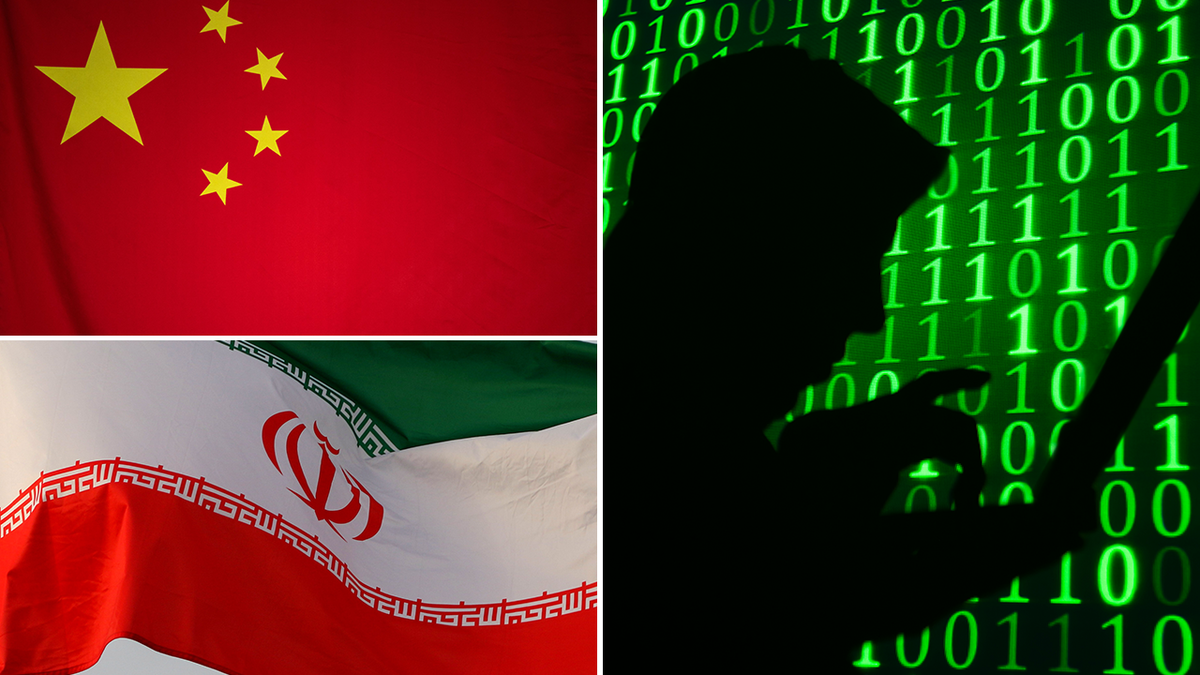
In a significant escalation of regional tensions, Iran’s Revolutionary Guard has issued direct threats against a broad spectrum of U.S. Technology giants operating in the Middle East. This development marks a precarious shift in geopolitical conflict, as the group explicitly identifies corporate infrastructure as legitimate targets for retaliatory action.
The warning, delivered via a Guard-affiliated Telegram channel, indicates that Iran threatens to attack US tech firms in Middle East as a direct response to U.S. And Israeli strikes on Iranian territory and a series of assassinations. The threats specifically target 18 companies, signaling that the boundaries between state military targets and private sector assets are becoming increasingly blurred.
According to reports, the Revolutionary Guard announced that attacks were scheduled to begin at 8 p.m. On Wednesday, April 1, Tehran time (12:30 p.m. EDT), as detailed by CNBC. The group warned employees at the targeted firms to evacuate their workplaces immediately to protect their lives, framing the move as a systemic retaliation policy where “for every assassination, an American company will be destroyed.”
Targeted Companies and the Scope of the Threat
The list of companies identified as “legitimate targets” spans several sectors of the technology and financial industries, focusing on those with an operational footprint in the Middle East. The Revolutionary Guard specifically named several of the world’s most influential tech firms, including Apple, Google, Microsoft and Nvidia, according to Politico.
Beyond the primary consumer tech giants, the threats extended to critical hardware and software providers, as well as aerospace and financial institutions. The full list of targeted entities includes:
- Hardware and Semiconductors: Nvidia, Intel, HP, Dell, and Cisco.
- Software and Cloud Services: Microsoft, Google, Oracle, IBM, and Palantir.
- Consumer Electronics: Apple and Tesla.
- Aerospace and Engineering: Boeing and GE.
- Finance and Specialized Tech: JPMorgan, Spire Solutions, and the UAE-based artificial intelligence firm G42.
The inclusion of G42, a company based in the United Arab Emirates, suggests that the Revolutionary Guard’s targeting strategy extends beyond U.S.-domiciled companies to include regional partners involved in high-stakes technology like artificial intelligence.
The Shift Toward Physical Tech Warfare
Industry experts suggest that these threats represent more than a temporary diplomatic flare-up. James Henderson, CEO of the risk management firm Healix, noted that the targeting of tech assets is part of a “sustained pattern” rather than an isolated incident. According to Henderson, tech assets are no longer viewed as peripheral to regional conflicts but are now treated as central components of the conflict itself, as reported by CNBC.
This shift is particularly concerning for the industry’s physical infrastructure. Henderson warned that future crises may target data centers and cloud platforms with the same intensity as traditional strategic military sites. This suggests a transition where the “cloud”—often thought of as an abstract digital space—is recognized for its physical vulnerability in the form of server farms and cooling plants located in volatile regions.
The potential for “AI-driven warfare turning physical” has raised alarms across the sector. As companies integrate more AI into their operational logistics and regional infrastructure, the risk that these systems could be targeted—or used as vectors for attack—increases the stakes for corporate security teams.
Corporate Responses and Security Measures
The reaction from the targeted companies has been one of cautious vigilance. Intel, one of the firms explicitly named in the Revolutionary Guard’s list, issued a statement emphasizing the safety of its personnel. An Intel spokesperson stated, “The safety and wellbeing of our team is our number one priority,” and confirmed that the company is taking active steps to safeguard its workers and facilities across the Middle East while monitoring the situation, via CNBC.
For many of these firms, the threat necessitates a rapid reassessment of their Middle Eastern operational security. This includes not only the physical security of offices and data centers but likewise the safety of expatriate staff and local employees who may be caught in the crossfire of state-sponsored retaliation.
Key Takeaways: The IRGC Threats
- Retaliatory Motive: The threats are a response to U.S. And Israeli strikes and assassinations.
- Broad Targeting: 18 companies were listed, including Nvidia, Apple, Google, and Microsoft.
- Timing: Attacks were slated to begin at 8 p.m. Tehran time on Wednesday, April 1.
- Strategic Shift: Tech infrastructure (data centers, cloud platforms) is now viewed as a primary military target.
- Regional Impact: The threats include non-U.S. Entities like the UAE’s G42.
What This Means for Global Tech Infrastructure
The explicit targeting of companies like Microsoft and Google highlights the vulnerability of the global digital supply chain. Because these companies provide the underlying cloud infrastructure for thousands of other businesses and government agencies, a physical attack on a regional data center could have cascading effects far beyond the immediate location.
the mention of Palantir and G42 underscores the specific risk associated with AI and data analytics firms. These companies often handle sensitive intelligence and strategic data, making them high-value targets for regimes seeking to disrupt the technological advantages of their adversaries.
As Iran threatens to attack US tech firms in Middle East, the industry is facing a new reality: the “corporate campus” is now a potential front line. The integration of software engineering and physical security will likely become a top priority for C-suite executives managing international portfolios.
For those monitoring the situation, official updates regarding security advisories for the Middle East can typically be found through government travel advisories and official corporate communications channels.
The situation remains fluid as the international community monitors the aftermath of the April 1 deadline. The next confirmed checkpoint will be the official security assessments and reports from the affected companies regarding the status of their Middle Eastern facilities following the threatened start date.
Do you believe tech companies should diversify their physical infrastructure to avoid regional geopolitical risks? Share your thoughts in the comments below.