
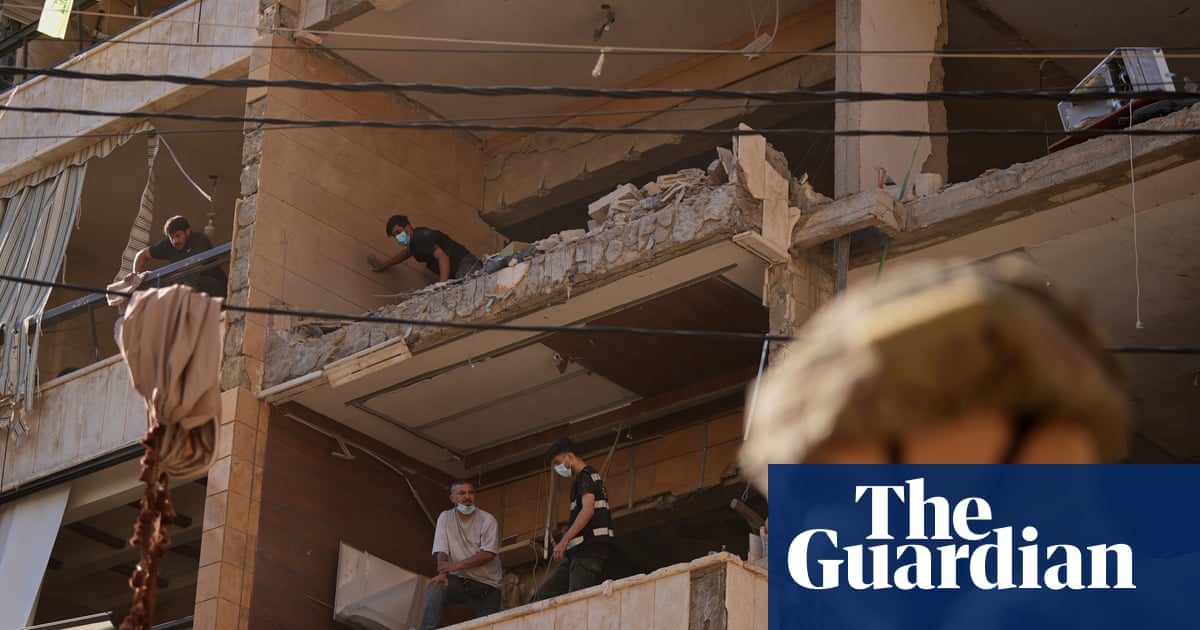
Tensions in the Middle East have escalated sharply as Iranian officials vow a “painful” response following Israeli strikes on Beirut’s southern suburbs. The ongoing conflict, now reaching its 100-day mark, has seen a breakdown in diplomatic efforts, with both Iranian and U.S. officials trading accusations over the collapse of a fragile ceasefire. The regional stability remains precarious as military actions continue to impact civilian areas and key maritime transit routes.
The situation intensified significantly on Saturday when the U.S. military reported shooting down six Iranian one-way attack drones that were traveling toward the Strait of Hormuz. Additionally, seven ballistic missiles were fired at Kuwait and Bahrain; most were successfully intercepted, according to reports. In response to these developments, U.S. forces launched strikes targeting Iranian coastal surveillance radar sites in Goruk and on Qeshm Island, according to information provided by CBS News.
Diplomatic Deadlock and Escalating Rhetoric
Negotiations intended to restore calm are currently at a standstill. An adviser to Iran’s supreme leader stated that the current diplomatic impasse is such that “the ball is in Trump’s court,” calling for the U.S. to unfreeze billions of dollars in Iranian assets to facilitate progress. This demand follows earlier indications from Iranian officials that the release of these funds was a necessary condition to build the trust required for a lasting peace agreement, as noted by Al Jazeera.
The rhetoric from Tehran has hardened in the wake of the latest military exchanges. On Sunday, Iran’s chief negotiator warned that the Israeli strike on Beirut and the ongoing U.S. blockade of Iranian ports would trigger a forceful retaliation. Mohammad Bagher Ghalibaf, the speaker of the Islamic Consultative Assembly, accused the United States of providing a “green light” for the strikes on Beirut, labeling American bases and assets in the region as “legitimate targets” for Iranian forces.
Impact on the Ground in Lebanon
The human cost of the conflict continues to rise, particularly within Lebanon. The Lebanese health ministry reported that an Israeli air raid on the southern suburbs of Beirut resulted in two deaths and left 20 others injured, including four women and four children. This strike occurred despite the existence of a fragile ceasefire agreement between the involved parties, leading to further accusations of violations, as reported by CBS News.
The broader regional environment remains highly volatile. Beyond the direct military confrontations between Iran, Israel, and the United States, there have been reports of violence in the Israeli-occupied West Bank. Rescue services confirmed that at least one person was killed and five others were wounded in a series of shooting attacks on Sunday. Authorities identified the attacker as a Palestinian citizen of Israel from the nearby town of Taybeh.
Looking Ahead: What Happens Next
As of Sunday, June 7, 2026, there is no immediate indication of a return to the negotiating table. The U.S. military remains in a state of high alert, and the Iranian leadership has signaled its intent to respond to the recent maritime and aerial incidents. The international community continues to monitor the situation, particularly the potential for further strikes on regional assets and the safety of commercial shipping lanes in the Strait of Hormuz.

Future updates will depend on whether either side chooses to de-escalate or if further military provocations occur. Observers are watching for any official statements from the U.S. Department of Defense or the Iranian Supreme Leader’s office regarding potential de-escalation measures. We will continue to provide verified updates as information becomes available. We invite our readers to share their perspectives on these developments in the comments section below.