Iran Threatens Romania Over Potential Support for U.S. Operations
Tehran has issued a stern warning to Romania, stating that allowing the United States to utilize Romanian bases for operations against Iran would be considered an act of aggression. The escalating tensions stem from Romania’s recent approval of a U.S. Request to temporarily deploy aircraft, equipment, and personnel to the country, ostensibly to support operations in the Middle East. This move has triggered a strong reaction from Iranian officials, who view it as a potential escalation of conflict and a threat to their national security. The warning underscores the delicate geopolitical balancing act Romania faces as it navigates its strategic partnership with the U.S. While attempting to avoid direct involvement in regional conflicts.
The Iranian Ministry of Foreign Affairs, through spokesperson Esmaeil Baghaei, delivered the warning on Monday, asserting that Tehran would respond both politically and legally should Romania facilitate U.S. Military actions against Iran. Baghaei stated, “If Romania puts its bases at the disposal of the United States, this would equate to participation in a military aggression against Iran,” according to reports. This statement reflects a broader Iranian policy of cautioning nations hosting U.S. Military assets, framing any support as an act of hostility. Iran perceives the increasing U.S. Military presence in the region, and particularly in Eastern Europe, as a direct challenge to its security interests.
Romania’s Response and U.S. Deployment
Romania has sought to downplay the potential for conflict, emphasizing its commitment to diplomatic solutions. The Romanian Ministry of Foreign Affairs (MAE) released a statement on Monday, responding to the Iranian threats by asserting that “Romania is not part of the conflict. Our priority is diplomatic effort for de-escalation, for which we have pleaded since the first day of the conflict.” The full statement from the MAE can be found here. This response aims to reassure both Iran and the international community that Romania’s actions are intended to support regional stability, not to contribute to further escalation.
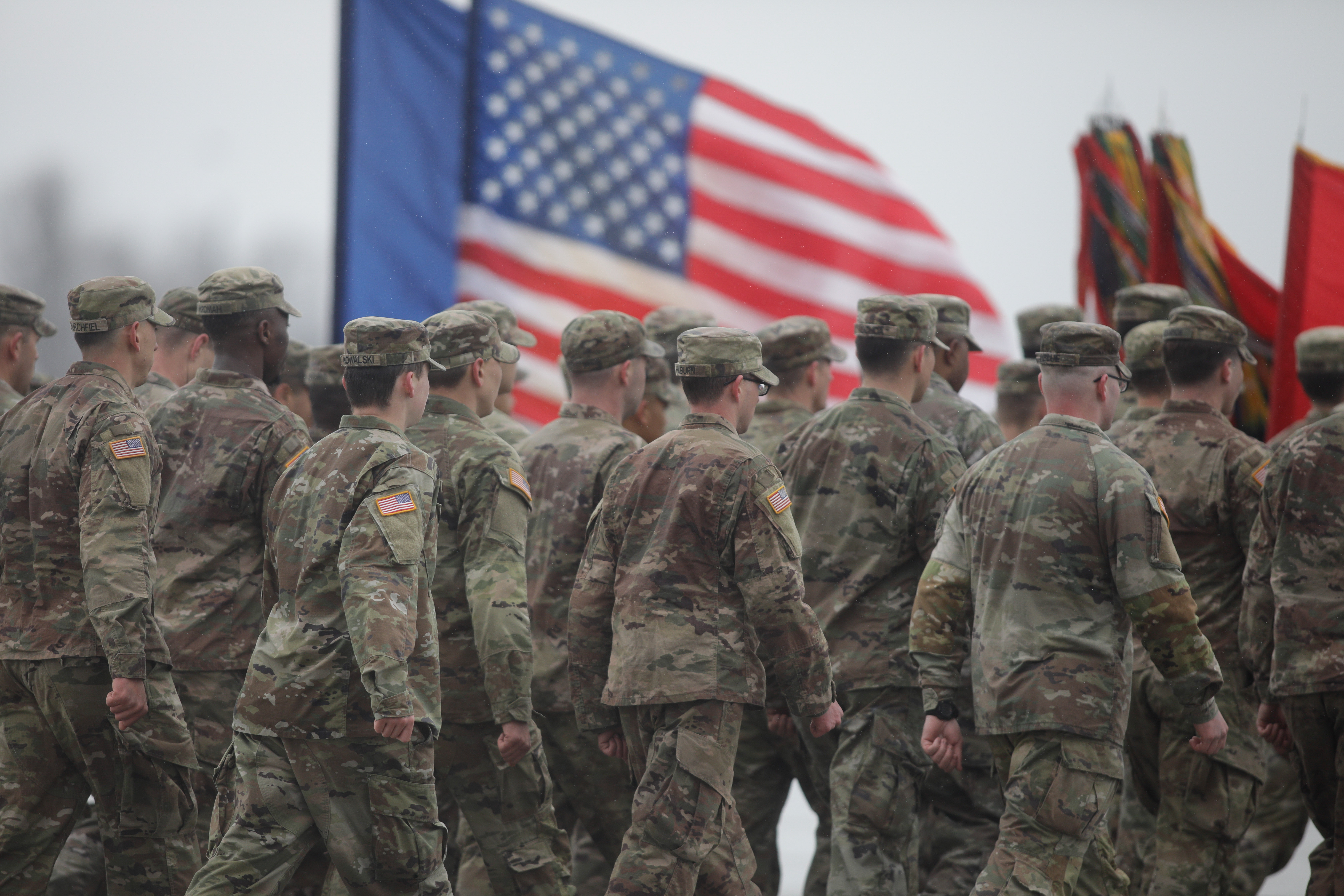
The current situation arose following a meeting of Romania’s Supreme Council of National Defense (CSAT) on March 11th. During this meeting, the CSAT approved a request from the United States to temporarily deploy aerial refueling aircraft, fighter jets, and associated personnel to Romania. The stated purpose of this deployment is to bolster support for operations in the Middle East. This decision was subsequently endorsed by the Romanian Parliament, providing the legal framework for the increased U.S. Military presence at the Mihail Kogălniceanu Air Base. According to reports, approximately 500 additional U.S. Military personnel are expected to be involved in these operations.
President Nicușor Dan has consistently maintained that the deployed equipment is strictly defensive in nature and is being positioned within the context of the existing strategic partnership between Romania and the United States. He has sought to alleviate public concerns, stating that there is “no reason for worry” among Romanian citizens. The CSAT also approved the deployment of surveillance equipment, satellite communications, and radar systems along the Black Sea coast to enhance the capabilities of the Deveselu missile defense shield. The council initiated an assessment of the potential impact of the conflict in Iran on Romania’s oil market and regional security implications.
Details of the U.S. Deployment and CSAT Decisions
The U.S. Request for the deployment of military resources in Romania is initially authorized for a period of 90 days. Any extension beyond this timeframe would necessitate a latest convocation of the CSAT for further deliberation and approval. The key decisions made during the CSAT meeting included:
- Approval for the temporary hosting of aerial refueling aircraft and fighter jets at the Mihail Kogălniceanu Air Base.
- Permission to deploy surveillance equipment, satellite communications, and radar systems along the Black Sea coast to support the Deveselu missile defense shield.
- Authorization for the presence of approximately 500 additional U.S. Military personnel to manage these operations.
- An assessment of the risks associated with the conflict in Iran, including its potential impact on the Romanian oil market and regional security.
The Deveselu missile defense shield, a key component of NATO’s ballistic missile defense system, has been a source of contention with Russia, which views it as a threat to its security. Romania’s willingness to host this system and now to facilitate U.S. Deployments underscores its commitment to the transatlantic alliance and its role in regional security. However, it also places Romania in a potentially vulnerable position, caught between competing geopolitical interests.
Broader Regional Implications and Iranian Concerns
Iran’s warning to Romania is part of a broader pattern of cautioning countries hosting U.S. Military assets in the region. Tehran consistently argues that the presence of foreign forces and the expansion of U.S. Military infrastructure in Eastern Europe represent a direct threat to its national security. This perspective is rooted in Iran’s long-standing concerns about U.S. Military encirclement and its opposition to what it perceives as U.S. Interference in the Middle East. The current tensions are further exacerbated by ongoing conflicts in the region, including the war in Yemen and the broader geopolitical rivalry between Iran and Saudi Arabia.
The situation also highlights the complex dynamics of the U.S.-Romania strategic partnership. Romania joined NATO in 2004 and has since turn into a key ally of the United States in Eastern Europe. The two countries have a strong military cooperation, and Romania has consistently supported U.S. Initiatives in the region. However, Romania also maintains economic and diplomatic ties with Iran, and This proves keen to avoid any actions that could jeopardize those relationships. Finding a balance between these competing interests is a significant challenge for Romanian policymakers.
Key Takeaways
- Iran has warned Romania against allowing the U.S. To use its bases for operations against Iran, threatening political and legal repercussions.
- Romania has approved a temporary U.S. Military deployment, citing its strategic partnership with the U.S. And the necessitate to support regional stability.
- The deployment includes aircraft, equipment, and approximately 500 U.S. Military personnel, authorized for an initial period of 90 days.
- Romania maintains it is not a party to the conflict and prioritizes diplomatic de-escalation.
- The situation underscores the complex geopolitical dynamics in Eastern Europe and the Middle East.
The coming weeks will be crucial in determining how this situation unfolds. The Romanian government is expected to continue its diplomatic efforts to de-escalate tensions and to reassure Iran that its actions are not intended to be hostile. The U.S. Military deployment is proceeding as planned, and the focus will be on ensuring that it remains strictly defensive in nature. Further developments will likely depend on the broader trajectory of the conflict in the Middle East and the evolving relationship between Iran and the United States. Readers are encouraged to follow official updates from the Romanian Ministry of Foreign Affairs and the U.S. Department of Defense for the latest information. Share your thoughts on this developing story in the comments below.
Related reading