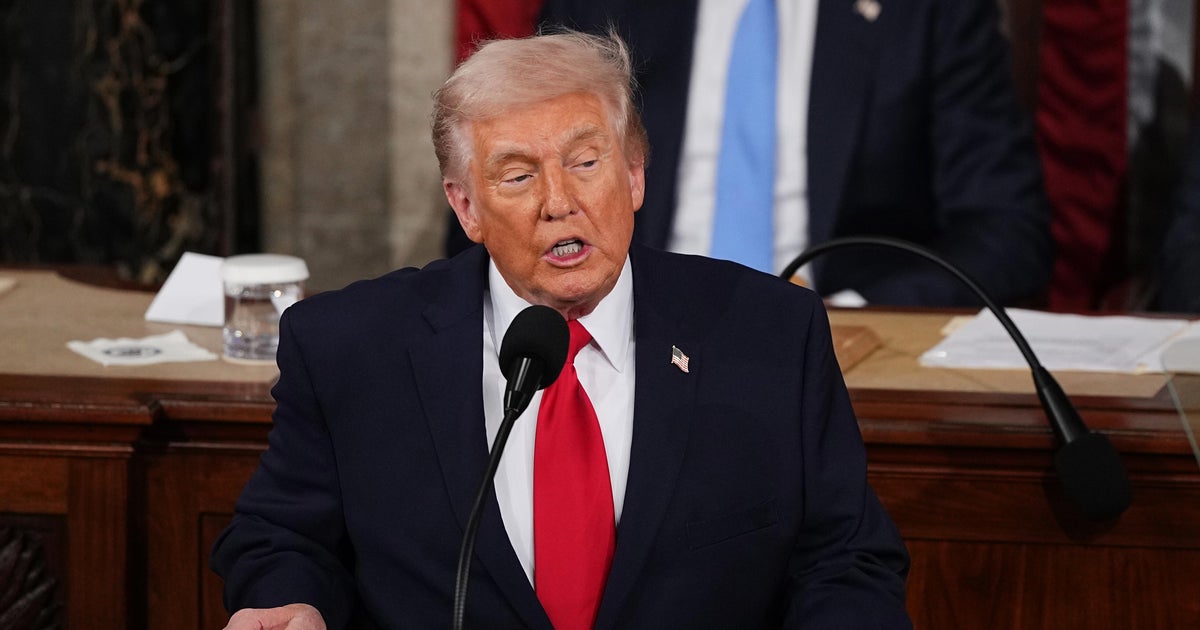
Washington D.C. – As President Donald Trump prepares to deliver his annual State of the Union address tonight, the specter of potential military conflict with Iran looms large. Secretary of State Marco Rubio and CIA Director John Ratcliffe briefed key members of Congress, known as the “Gang of Eight,” on Tuesday regarding escalating tensions in the region and possible U.S. Responses, including potential military strikes. The briefing, held just hours before the President’s address, underscores the gravity of the situation and the administration’s willingness to consider a range of options in dealing with Iran’s nuclear ambitions and regional activities.
The timing of the briefing and the President’s upcoming speech suggest a deliberate effort to both inform Congress and potentially rally public support for a firm stance against Iran. The administration has repeatedly called for a “meaningful deal” with Tehran, focused on curbing its nuclear program and limiting its ballistic missile capabilities. However, recent statements from President Trump indicate growing impatience with ongoing negotiations and a willingness to consider more forceful measures if a diplomatic resolution is not reached. The situation is further complicated by a significant U.S. Military buildup in the Middle East, with two aircraft carrier strike groups – led by the USS Abraham Lincoln and the USS Gerald R. Ford – now positioned in the region.
Escalating Tensions and Diplomatic Efforts
The current crisis stems from Iran’s continued pursuit of its nuclear program, despite international sanctions and diplomatic pressure. The 2015 Joint Comprehensive Plan of Action (JCPOA), also known as the Iran nuclear deal, aimed to limit Iran’s enrichment of uranium in exchange for sanctions relief. However, the United States withdrew from the JCPOA in 2018 under the Trump administration, reimposing sanctions and demanding a more comprehensive agreement. The U.S. State Department maintains a detailed record of its policy towards Iran, outlining the rationale for its withdrawal from the JCPOA and its current demands for a new agreement.
Talks between the U.S. And Iran, mediated by various parties, have stalled in recent weeks. White House envoys Jared Kushner and Steve Witkoff led discussions last week that failed to yield a breakthrough. President Trump has publicly stated that Iran “desperately wants a deal” but is unwilling to explicitly commit to abandoning its pursuit of nuclear weapons. He reportedly gave Iran a timeframe of “10 to 15 days” to reach an agreement, warning of “disappointing things” if a resolution is not found. This ultimatum, coupled with the military buildup, has heightened anxieties about a potential military confrontation.
Congressional Concerns and Calls for Transparency
The briefing delivered by Secretary Rubio and Director Ratcliffe to the Gang of Eight – comprised of leaders from both chambers of Congress and the Intelligence Committees – was intended to provide a classified assessment of the situation and the administration’s potential courses of action. Following the briefing, several lawmakers expressed concerns about the lack of transparency and the potential for unilateral military action. Senate Minority Leader Chuck Schumer emphasized the demand for the administration to “create its case to the American people,” arguing that any military intervention would require broad public support. Senator Schumer’s official website provides information on his stance on foreign policy issues.
Senator Mark Warner, the top Democrat on the Senate Intelligence Committee, echoed Schumer’s call for transparency, stating that the President must explain the rationale for any potential military action and clearly articulate U.S. Interests in the region. Several members of Congress are also preparing to introduce resolutions aimed at limiting the President’s authority to initiate military action against Iran without congressional approval. Representatives Ro Khanna and Thomas Massie are planning a vote on a war powers resolution, whereas Senator Tim Kaine intends to introduce a similar measure in the Senate. These efforts reflect a growing bipartisan concern about the potential for an unauthorized war with Iran.
War Powers Resolution and Congressional Oversight
The debate over congressional authorization for military action highlights the ongoing tension between the executive and legislative branches regarding war powers. The War Powers Resolution of 1973, enacted in response to the Vietnam War, aims to limit the President’s ability to commit U.S. Forces to armed conflict without congressional approval. The full text of the War Powers Resolution is available through the Government Publishing Office.
However, the constitutionality and effectiveness of the War Powers Resolution have been debated for decades. Presidents have often argued that they possess inherent authority to act in the national interest, even without explicit congressional authorization. The proposed resolutions by Khanna, Massie and Kaine seek to reaffirm Congress’s constitutional role in declaring war and to ensure that any military action against Iran is subject to congressional oversight.
Military Posture and Regional Implications
The U.S. Military buildup in the Middle East is a clear signal of the administration’s resolve and its willingness to use force if necessary. The deployment of two aircraft carrier strike groups, along with other naval and air assets, demonstrates a significant increase in U.S. Military presence in the region. This buildup is intended to deter Iranian aggression and to provide the President with a range of options in the event of a crisis. The USS Gerald R. Ford arrived in Crete on Monday, bringing it within range of Iran, according to reports.
However, a military confrontation with Iran could have far-reaching consequences for the region and the world. Iran has warned that it will respond forcefully to any attack on its territory or interests. A conflict could escalate rapidly, potentially drawing in other regional actors and disrupting global oil supplies. The Strait of Hormuz, a vital waterway for oil tankers, could be closed, leading to a significant increase in energy prices. The potential for miscalculation and unintended consequences is high, making a diplomatic resolution all the more critical.
Iran’s Response and Regional Alliances
Iran has consistently maintained that its nuclear program is for peaceful purposes and that it has no intention of developing nuclear weapons. Foreign Minister Abbas Araghchi recently reiterated this position, stating that Iran will “under no circumstances ever develop a nuclear weapon” and will continue to pursue peaceful nuclear technology for its people. However, concerns remain about Iran’s enrichment of uranium and its ballistic missile program, which could be used to deliver a nuclear weapon if it were developed.
Iran has also cultivated close ties with regional allies, including Syria, Hezbollah in Lebanon, and Houthi rebels in Yemen. These alliances provide Iran with strategic depth and the ability to project its influence throughout the region. A military conflict with Iran could potentially ignite proxy wars and destabilize already fragile states. The complex web of regional alliances and rivalries adds another layer of complexity to the situation.
As President Trump prepares to address the nation tonight, the world will be watching closely for any indication of his intentions regarding Iran. The stakes are high, and the potential consequences of miscalculation are severe. The coming days and weeks will be critical in determining whether a diplomatic solution can be found or whether the region is on the brink of a new conflict.
The Senate is scheduled to hold a hearing on Iran policy next week, where administration officials are expected to testify. This hearing will provide an opportunity for lawmakers to question the administration about its strategy and to assess the risks and benefits of various courses of action. Stay tuned to World Today Journal for continuing coverage of this developing story.
Worth a look