
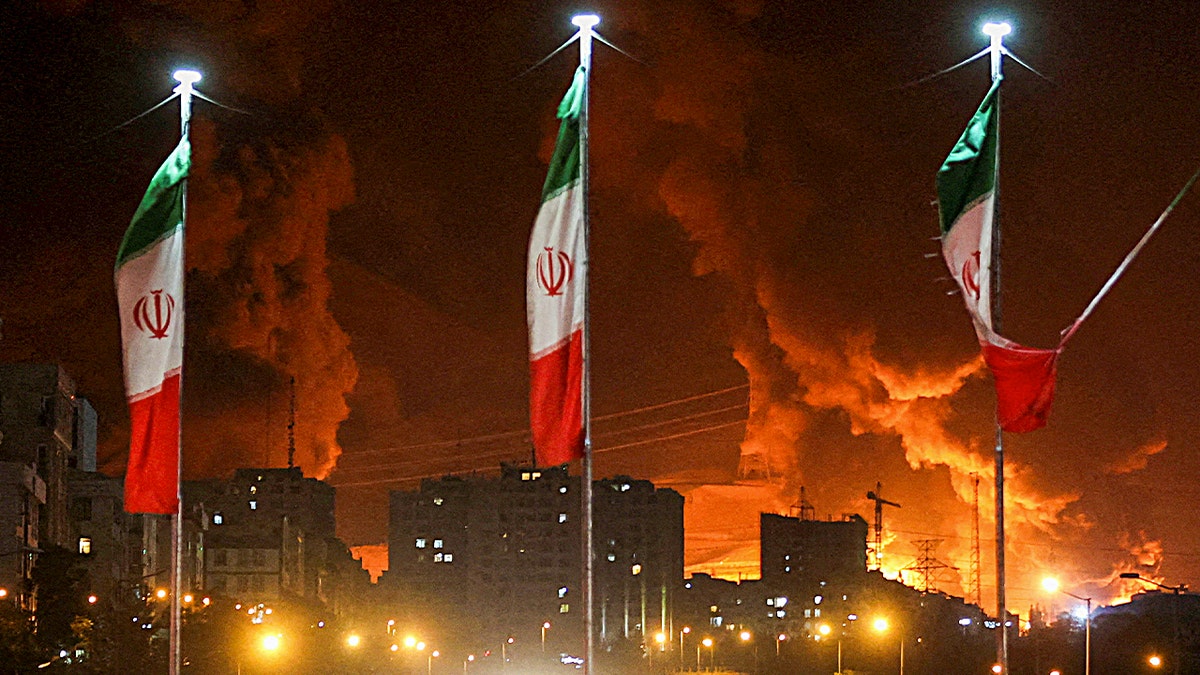
A fragile peace in West Asia is under severe strain as Iran accuses the United States and Israel of ceasefire violations, threatening to dismantle a truce that was intended to halt a rapidly escalating regional war. The current tensions follow a period of intense military conflict that began in late February, leaving the strategic landscape of the Middle East in a state of volatile uncertainty.
The dispute centers on allegations from Iranian officials that the U.S. And Israel have breached the terms of a ceasefire deal. These accusations come at a critical juncture, as the global economy remains sensitive to the stability of the Strait of Hormuz, a vital waterway for international oil shipments. The threat of a renewed conflict has already begun to impact global markets, with oil prices resuming gains as the prospect of a sustained truce slips.
This diplomatic crisis is the latest development in a conflict that saw the U.S. And Israel launch massive airstrikes on Iranian military and government sites on February 28, 2026 2026 Iran war. Those strikes resulted in the assassination of top Iranian officials, including Supreme Leader Ali Khamenei and Ali Larijani, leading to a subsequent shift in Iranian leadership and the election of Mojtaba Khamenei as the new Supreme Leader.
The current ceasefire, which was proposed by Pakistan to allow for diplomacy, is now being tested by reports of new missile attacks across Israel and the Gulf region. Whereas the U.S. Military has paused its strikes on Iran, the stability of the agreement remains precarious, with Iran suggesting that further peace talks may now be unreasonable.
The Fragile Terms of the Two-Week Ceasefire
The ceasefire agreement, which took effect on April 8, 2026, was designed as a temporary window for diplomacy 2026 Iran war. A primary condition of the deal, emphasized by U.S. President Donald Trump, was the “COMPLETE, IMMEDIATE, and SAFE OPENING” of the Strait of Hormuz. The U.S. Administration indicated that reopening the strait was essential to resolving the fuel crisis and global economic disruption caused by the conflict.
Under the terms of the arrangement, Iran’s foreign minister stated that the Iranian military would coordinate the passage of vessels through the Strait of Hormuz during the ceasefire period. President Trump further stated that the U.S. Would assist with the traffic buildup in the waterway, suggesting that the cessation of hostilities would allow Iran to begin a reconstruction process and enable the U.S. To provide supplies.
However, the scope of the truce has been a point of contention from the outset. The office of Israeli Prime Minister Benjamin Netanyahu clarified that while Israel would suspend strikes against Iran, Lebanon was not included in the ceasefire agreement. This distinction has allowed the Israel-Hezbollah conflict to continue escalating even as the direct confrontation between Tehran and Washington paused.
Allegations of Breach and Regional Escalation
The stability of the truce has been undermined by reports of continued military activity. Shortly after the ceasefire announcement, missile attacks were reported across Israel and the Gulf region. Iran has since alleged that the U.S. And Israel have violated parts of the deal framework, leading Iranian officials to describe the current state of the ceasefire as unreasonable.
The conflict that preceded this truce was characterized by an “all-out war” initiated on February 28, 2026, when a U.S. Armada consisting of two aircraft carrier strike groups and advanced aircraft, joined by the Israeli air force, attacked Tehran and other Iranian cities The US-Israel War on Iran. These attacks targeted military and official sites and were aimed at achieving regime change in Tehran.
Iran’s retaliation involved launching missiles and armed drones against Israel and U.S. Military facilities located in all six Gulf Cooperation Council (GCC) countries. These strikes caused serious damage in Israel and targeted civilian infrastructure, including airports and ports, throughout the Gulf. The hostilities too led to the establishment of Iranian control over the Strait of Hormuz, with toll collection implemented in Chinese yuan for oil sold through the strait 2026 Iran war.
Impact on Global Energy and Economy
The volatility of the ceasefire is not merely a political concern but a global economic one. The Strait of Hormuz is a critical chokepoint through which no less than 20 percent of the world’s oil supply passes The US-Israel War on Iran. The closure of this waterway during the height of the hostilities triggered a global fuel crisis and widespread economic disruption.

Market analysts note that oil prices have reacted sharply to the accusations of ceasefire violations. The risk of the Strait of Hormuz closing again—or the failure of the U.S. And Iran to maintain a coordinated passage of vessels—continues to drive price volatility in the energy sector.
Diplomatic Efforts and the Path Forward
Despite the accusations of breach, there are ongoing efforts to prevent a full return to hostilities. Pakistan’s prime minister has taken a leading role in the diplomacy, proposing the two-week ceasefire and inviting delegations from both the United States and Iran to Islamabad for talks scheduled for Friday.
The success of these talks depends on whether the parties can resolve the disputes over the “deal framework” and whether Iran feels the U.S. And Israel are acting in decent faith. The U.S. Position remains focused on the immediate and safe reopening of the waterway and the stabilization of the region, while Iran continues to voice grievances over the legality and execution of the initial strikes.
| Date | Key Event |
|---|---|
| February 28, 2026 | U.S. And Israel launch airstrikes on Iran; Supreme Leader Ali Khamenei killed 2026 Iran war. |
| March 2026 | Iranian retaliation strikes Israel and U.S. Facilities in GCC countries; Strait of Hormuz closed. |
| April 8, 2026 | Temporary two-week ceasefire begins following a proposal by Pakistan 2026 Iran war. |
| Post-April 8, 2026 | Reports of missile attacks; Iran accuses U.S./Israel of ceasefire violations. |
As the international community watches the proceedings in Islamabad, the primary concern remains the fragility of the truce. The exclusion of Lebanon from the ceasefire and the ongoing tension between Israel and Hezbollah add another layer of complexity, as any significant escalation in Lebanon could potentially draw Iran back into a direct confrontation with the U.S. And Israel.
The next confirmed checkpoint for this crisis will be the diplomatic talks in Islamabad on Friday, where delegations from Iran and the U.S. Are expected to meet to discuss the future of the ceasefire and the stability of the region.
World Today Journal encourages readers to share this report and join the conversation in the comments section below.