Negotiations Sought as Conflict Escalates Between U.S., Israel and Iran
The escalating conflict between the United States, Israel, and Iran has entered a critical phase, marked by intensified military operations and a rising civilian death toll. Amidst the ongoing hostilities, reports have emerged indicating a potential backchannel attempt by Iranian intelligence to initiate negotiations with the United States, seeking a pathway to de-escalation. This development, however, is met with skepticism in Washington, particularly given the current administration’s posture and the complexities of the geopolitical landscape. The situation remains highly volatile, with concerns mounting over a potential wider regional war and the humanitarian consequences of continued fighting.
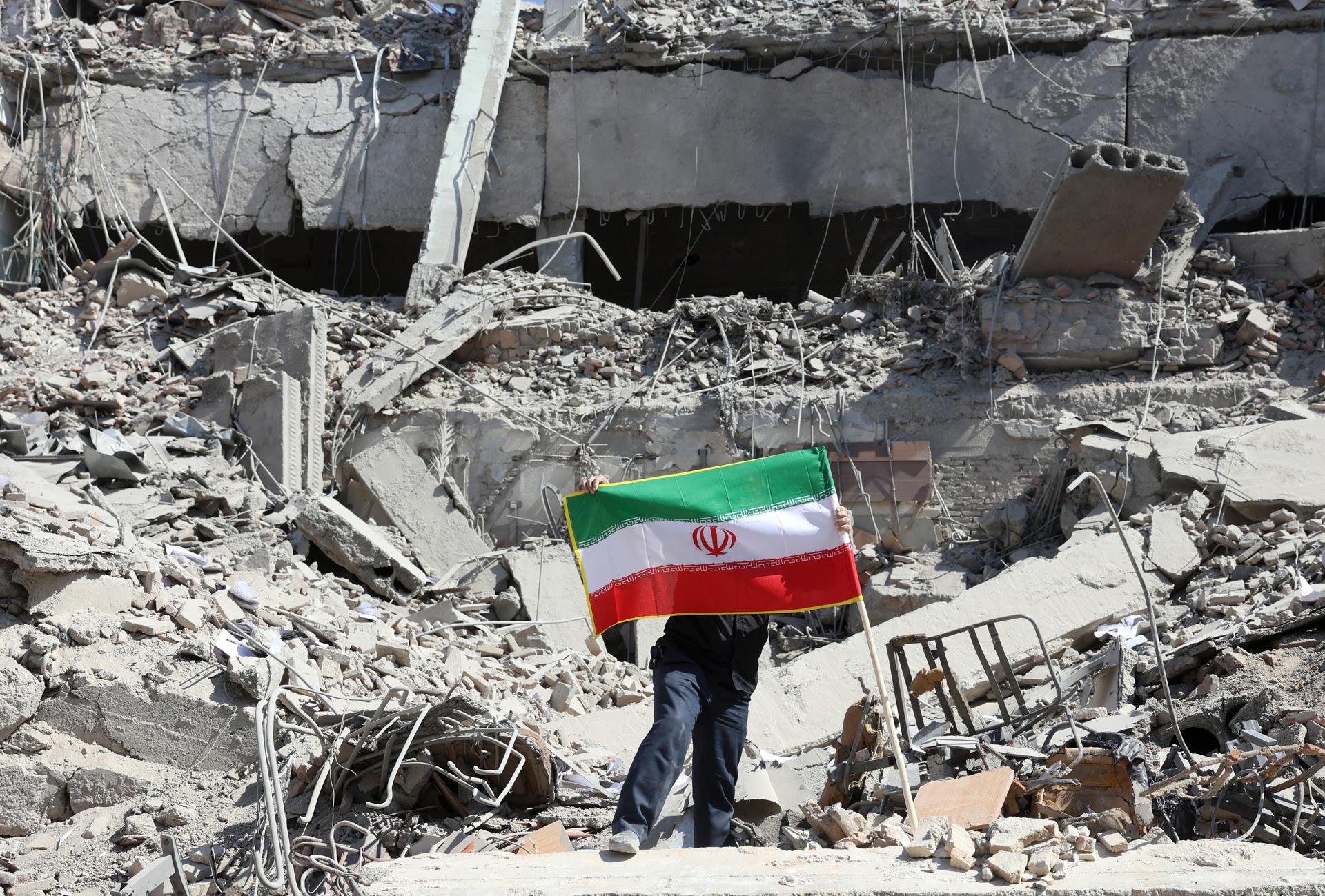
The conflict, which began with coordinated attacks by the U.S. And Israel on Saturday, has resulted in at least 1,045 confirmed deaths in Iran, according to figures released by the Foundation of the Martyrs and Veterans Affairs, a public Iranian organization, as reported by the Efe news agency. These figures are provisional, hampered by restricted access, widespread internet disruptions, and the challenges of independent verification on the ground. Simultaneously, the U.S. Has taken responsibility for the sinking of an Iranian vessel near Sri Lanka, resulting in at least 80 confirmed fatalities and 32 rescued individuals. The situation is further complicated by ongoing clashes in Lebanon, where Israeli bombardments have led to 72 deaths and 437 injuries over the past three days. The potential for miscalculation and escalation remains a significant concern for international observers.
According to reporting from The New York Times, agents from Iran’s Ministry of Intelligence contacted the CIA indirectly, offering to discuss terms for ending the conflict. This communication was reportedly facilitated through the intelligence service of an unnamed country. Sources cited by the newspaper suggest that U.S. Officials are doubtful about both Iran’s sincerity in seeking negotiations and the willingness of the Trump administration to halt military operations to allow for dialogue. This skepticism is echoed by Iran’s ambassador to the United Nations in Geneva, who on Tuesday dismissed the possibility of negotiations with the United States, following the joint attacks on Iranian territory. President Trump, however, stated on the same day that Tehran had expressed a desire to talk, but deemed it “too late” while military operations continued.
Escalation of Military Operations and Regional Impact
The current wave of conflict has seen a significant escalation in military operations. Israel has intensified its offensive in Lebanon, ordering the evacuation of the entire southern region of the country. On Wednesday, the Israeli military identified two coordinated missile launches originating from both Iran and Lebanon. Israel, in conjunction with the United States, continues to conduct airstrikes targeting locations within Iran, including areas in Tehran and other major cities. These attacks have reportedly targeted infrastructure and military installations. Beyond Iran, the conflict has spilled over into neighboring countries, with missile launches targeting Kuwait, the United Arab Emirates, Saudi Arabia, and Qatar. Turkey reported that NATO defense systems stationed on its territory intercepted a missile that overflew Iraq and Syria, condemning the launch by Iran. NATO has condemned the launch.
The U.S. Military has been actively involved in the conflict, employing B-52 bombers for the first time in the current campaign, reportedly targeting over 1,700 objectives within Iran. The scale of the military operations has raised concerns about the potential for a protracted and devastating war. The sinking of the Iranian vessel near Sri Lanka, confirmed by the United States, adds another layer of complexity to the situation, raising questions about maritime security in the region and the potential for further escalation at sea. The incident resulted in a significant loss of life, with ongoing rescue efforts underway.
Congressional Debate and International Response
In the United States, the escalating conflict has sparked a debate within Congress regarding the legality and necessity of the military intervention. The Senate is scheduled to vote on a resolution aimed at limiting the President’s authority to continue military operations against Iran without Congressional authorization, as stipulated by the U.S. Constitution. The resolution, spearheaded by Senator Tim Kaine (Democrat, Virginia) and co-sponsored by Senator Rand Paul (Republican, Kentucky), seeks to compel the President to withdraw armed forces from “hostilities” against Iran that have not received Congressional approval. However, the resolution faces an uphill battle, given the opposition’s minority status in both chambers of Congress. Senator Kaine has expressed concerns about repeating past mistakes made in Iraq and Afghanistan, and emphasized the need for Congressional oversight of military actions.
Internationally, the European Commission has warned that it is prepared to take action to safeguard the interests of the European Union, in response to a threat from President Trump of a commercial embargo against Spain. Spanish Prime Minister Pedro Sánchez has summarized his country’s position in four words: “No to the war.” Qatar has asserted its “right to self-defense” in response to the regional instability, while Iran maintains that its attacks are targeted at U.S. Interests. The international community is largely calling for de-escalation and a return to diplomatic solutions, but the path forward remains unclear.
Skepticism Surrounds Potential Negotiations
Despite the reported offer from Iranian intelligence to negotiate, significant obstacles remain to any meaningful dialogue. The Trump administration has consistently taken a hard line against Iran, and there is little indication that it is willing to compromise or halt military operations. The recent alleged elimination of Supreme Leader Ali Jamenei, as reported by some sources, could further complicate the situation and potentially empower hardliners within the Iranian regime who are less inclined to negotiate. The lack of trust between the two countries, coupled with the ongoing military operations, creates a challenging environment for any potential talks. The indirect nature of the communication, channeled through a third-party intelligence service, also raises questions about the reliability and authenticity of the offer.
The situation is further complicated by the differing perspectives of regional actors. While some countries, like Qatar, have expressed a desire for de-escalation, others, like Saudi Arabia and the United Arab Emirates, may be more supportive of a stronger response to Iran’s actions. The involvement of multiple actors and the complex web of alliances in the region produce it difficult to predict the future course of the conflict. The potential for miscalculation and unintended consequences remains a significant concern, and the risk of a wider regional war continues to grow.
As the conflict enters its fifth day, the immediate priority remains the protection of civilians and the prevention of further escalation. The international community must continue to urge all parties to exercise restraint and to prioritize diplomatic solutions. The reported offer from Iranian intelligence to negotiate, while met with skepticism, represents a potential opening for dialogue. Whether this opportunity will be seized remains to be seen, but it is crucial that all avenues for de-escalation are explored. The next key development to watch will be the Senate vote on the resolution seeking to limit the President’s military authority, scheduled for Wednesday.
World Today Journal will continue to provide updates on this developing story as it unfolds. We encourage readers to share their thoughts and perspectives in the comments section below.
Worth a look