Iran’s Strait of Hormuz Proposal Meets Skepticism as Trump Convenes Crisis Meeting
On Monday, April 27, 2026, U.S. President Donald Trump convened a high-stakes meeting with his national security and foreign policy advisors to assess Iran’s latest proposal aimed at reopening the Strait of Hormuz and ending the ongoing conflict between Washington and Tehran. The closed-door session, confirmed by multiple U.S. Officials, comes as negotiations over a ceasefire and the resumption of commercial shipping through the critical waterway have stalled, raising concerns about global energy markets and regional stability.
Iran’s offer, delivered through intermediaries, promises to fully reopen the Strait of Hormuz—a vital chokepoint for global oil supplies—in exchange for a temporary halt to hostilities. However, the proposal has been met with deep skepticism in Washington, where officials question Tehran’s commitment to long-term de-escalation and note the absence of any mention of Iran’s nuclear program, a key U.S. Demand. Meanwhile, tensions on another front escalated as Israeli Prime Minister Benjamin Netanyahu intensified military operations in southern Lebanon, further complicating diplomatic efforts.
Trump, who has repeatedly ruled out the use of nuclear weapons in the conflict, took to Truth Social on Friday to declare that Iran had “committed to never closing the Strait of Hormuz again.” His post—“It will no longer be used as a weapon against the world!”—reflected cautious optimism but stopped short of endorsing Tehran’s latest terms. U.S. Officials, speaking on condition of anonymity, told ABC News that the administration is increasingly confident in its naval blockade’s effectiveness but remains doubtful that Iran’s current negotiators can deliver a sustainable agreement.
Iran has committed to never closing the Strait of Hormuz again. It will no longer be used as a weapon against the world!
— Donald J. Trump (@realDonaldTrump) April 25, 2026
The Iranian Proposal: A Temporary Fix or a Diplomatic Dead End?
According to Axios, which first reported details of the Iranian offer, Tehran’s proposal centers on two key components: an immediate reopening of the Strait of Hormuz to commercial shipping and a ceasefire in the U.S.-Iran conflict. However, the proposal defers discussions on Iran’s nuclear program—including uranium enrichment levels, sanctions relief, and international inspections—to a later phase of negotiations. This omission has been a major sticking point for the Trump administration, which has insisted that any deal must address Iran’s nuclear ambitions upfront.
U.S. Officials described Iran’s terms as “far below the red lines” established by the administration. One source told ABC News that the proposal appeared designed to “buy time” rather than resolve the underlying tensions. The skepticism is shared by European allies, who have grown increasingly frustrated with the lack of progress in negotiations. Germany’s Verband Deutscher Reeder (German Shipowners’ Association) reported that over 2,000 commercial vessels, carrying approximately 20,000 sailors, remain stranded in the Gulf due to the conflict, exacerbating supply chain disruptions and driving up global energy prices.
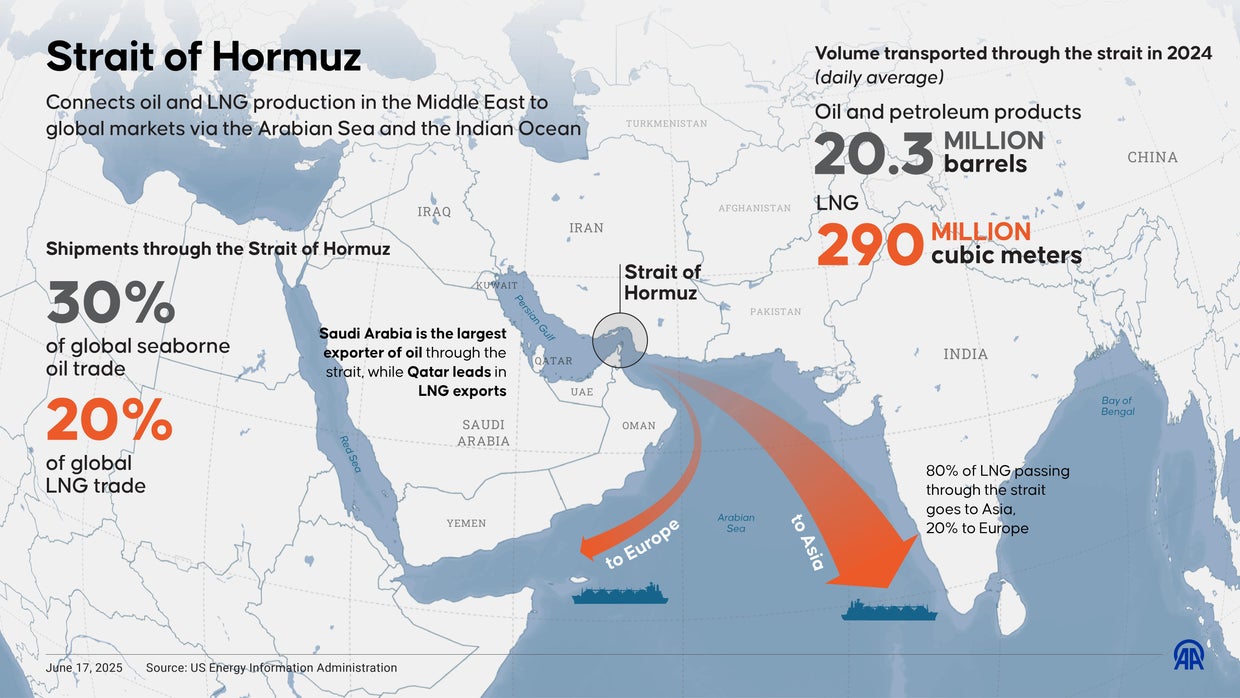
The Strait of Hormuz, a 21-mile-wide waterway at the mouth of the Persian Gulf, is one of the world’s most critical maritime chokepoints. Roughly 20% of global oil supplies—equivalent to about 21 million barrels per day—pass through the strait, according to the U.S. Energy Information Administration. Iran’s repeated threats to close the strait, including the seizure of commercial vessels and the mining of shipping lanes, have sent shockwaves through global markets. Oil prices surged by 15% in March 2026 alone following reports of Iranian military activity in the area, though they have since stabilized amid hopes of a diplomatic breakthrough.
Trump’s Dilemma: Military Pressure vs. Diplomatic Progress
Trump’s meeting with his national security team underscores the administration’s struggle to balance military pressure with diplomatic engagement. The U.S. Has maintained a naval blockade around Iranian ports since late March, aiming to cripple Tehran’s economy and force concessions. While the blockade has disrupted Iran’s oil exports—its primary source of revenue—it has likewise drawn criticism from European and Asian allies, who rely on Iranian energy supplies and fear further escalation.
European Union officials have privately urged the U.S. To ease its blockade, warning that prolonged economic pressure could push Iran toward more aggressive actions, including attacks on Gulf shipping or renewed uranium enrichment. However, Trump has resisted calls to lift the blockade, arguing that Iran must first demonstrate a willingness to negotiate in good faith. In a statement to reporters on Monday, White House Press Secretary Karine Jean-Pierre emphasized that the administration’s “maximum pressure” campaign would continue until Iran “takes concrete steps to address U.S. Concerns.”
Iran, for its part, has accused the U.S. Of “economic terrorism” and vowed to retaliate against what it describes as illegal coercion. Iranian Foreign Minister Hossein Amir-Abdollahian stated last week that Tehran would only return to negotiations if the U.S. “lifts its unjust sanctions and ceases its hostile actions.” The standoff has left intermediaries—including Oman, Qatar, and Switzerland—struggling to bridge the gap between the two sides.
Netanyahu’s Escalation in Lebanon Adds Latest Complexity
As U.S. And Iranian negotiators grapple with the Strait of Hormuz impasse, Israel’s military campaign in southern Lebanon has added a new layer of complexity to the regional crisis. On Monday, Israeli Prime Minister Benjamin Netanyahu authorized a series of airstrikes targeting Hezbollah positions near the border, in response to what Israel described as “increased militant activity.” The strikes, which killed at least 12 Hezbollah fighters, according to Lebanese security sources, mark the most significant escalation in the conflict since a brief ceasefire in early April.
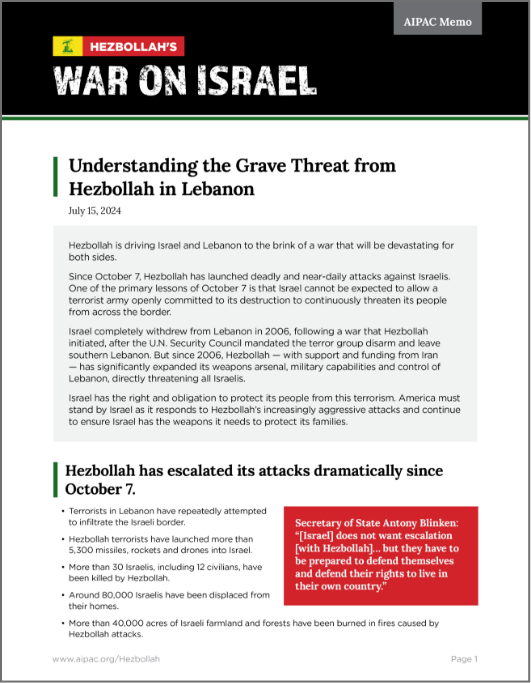
Hezbollah, an Iranian-backed militant group, has long been a proxy in Tehran’s regional strategy, and its involvement in the Lebanon conflict has raised concerns about a broader conflagration. U.S. Officials fear that Netanyahu’s actions could undermine fragile ceasefire talks between Washington and Tehran, particularly if Iran perceives the strikes as a coordinated effort with the U.S. To weaken its allies. In a statement, Hezbollah leader Hassan Nasrallah warned that Israel’s “aggression” would be met with “a decisive response,” though he stopped short of specifying what form that retaliation might seize.
The timing of Netanyahu’s escalation has drawn scrutiny, with some analysts suggesting it may be an attempt to pressure Iran into making concessions in the Strait of Hormuz negotiations. However, U.S. Officials have denied any coordination with Israel on the Lebanon strikes, emphasizing that the two conflicts remain “separate but interconnected.”
What’s Next for U.S.-Iran Negotiations?
Despite the skepticism surrounding Iran’s proposal, diplomatic efforts are expected to continue in the coming weeks. U.S. Officials have indicated that they are open to further discussions but insist that any agreement must include verifiable commitments on Iran’s nuclear program. Iran, meanwhile, has signaled that it will not engage in “endless negotiations” and has threatened to resume uranium enrichment at higher levels if the U.S. Does not lift sanctions.

Key intermediaries, including Oman and Qatar, are reportedly exerting pressure on both sides to return to the negotiating table. According to CNN, mediators have warned that failure to reach an agreement could lead to a “catastrophic” escalation, including potential Iranian attacks on U.S. Military assets in the Gulf or further disruptions to global shipping. The next round of talks is expected to take place in Islamabad, Pakistan, though no firm date has been set.
For now, the fate of the Strait of Hormuz—and the broader U.S.-Iran conflict—remains uncertain. Energy markets are closely watching developments, with analysts warning that any renewed hostilities could send oil prices soaring. The U.S. Has already begun coordinating with allies to secure alternative shipping routes, including increased use of the Bab el-Mandeb Strait and the Suez Canal, but these measures are seen as temporary solutions.
Key Takeaways
- Iran’s Proposal: Tehran has offered to reopen the Strait of Hormuz and halt hostilities in exchange for a temporary ceasefire, but the proposal does not address Iran’s nuclear program—a key U.S. Demand.
- U.S. Skepticism: The Trump administration views the proposal as insufficient and has maintained a naval blockade around Iranian ports to pressure Tehran into making further concessions.
- Global Impact: The Strait of Hormuz is a critical chokepoint for global oil supplies, and disruptions have already driven up energy prices, particularly in Europe.
- Lebanon Escalation: Israel’s recent airstrikes on Hezbollah positions in southern Lebanon have raised concerns about a broader regional conflict, complicating U.S.-Iran negotiations.
- Next Steps: Mediators are pushing for renewed talks, but the absence of a clear timeline and the deep mistrust between Washington and Tehran remain major obstacles.
What Happens Now?
The coming days will be critical in determining whether the U.S. And Iran can find common ground. Trump’s national security team is expected to present him with a range of options, including potential adjustments to the naval blockade and targeted sanctions relief. Meanwhile, European leaders are likely to increase pressure on both sides to de-escalate, fearing that a prolonged conflict could destabilize global energy markets and trigger a wider regional war.
For businesses, governments, and consumers, the stakes could not be higher. The Strait of Hormuz remains a ticking time bomb for the global economy, and any miscalculation could have far-reaching consequences. As one senior U.S. Official put it, “We’re not out of the woods yet—not by a long shot.”
We will continue to monitor this developing story and provide updates as new information becomes available. Share your thoughts in the comments below: Do you believe Iran’s proposal is a genuine attempt at peace, or a tactical maneuver to buy time? How should the U.S. Respond?