
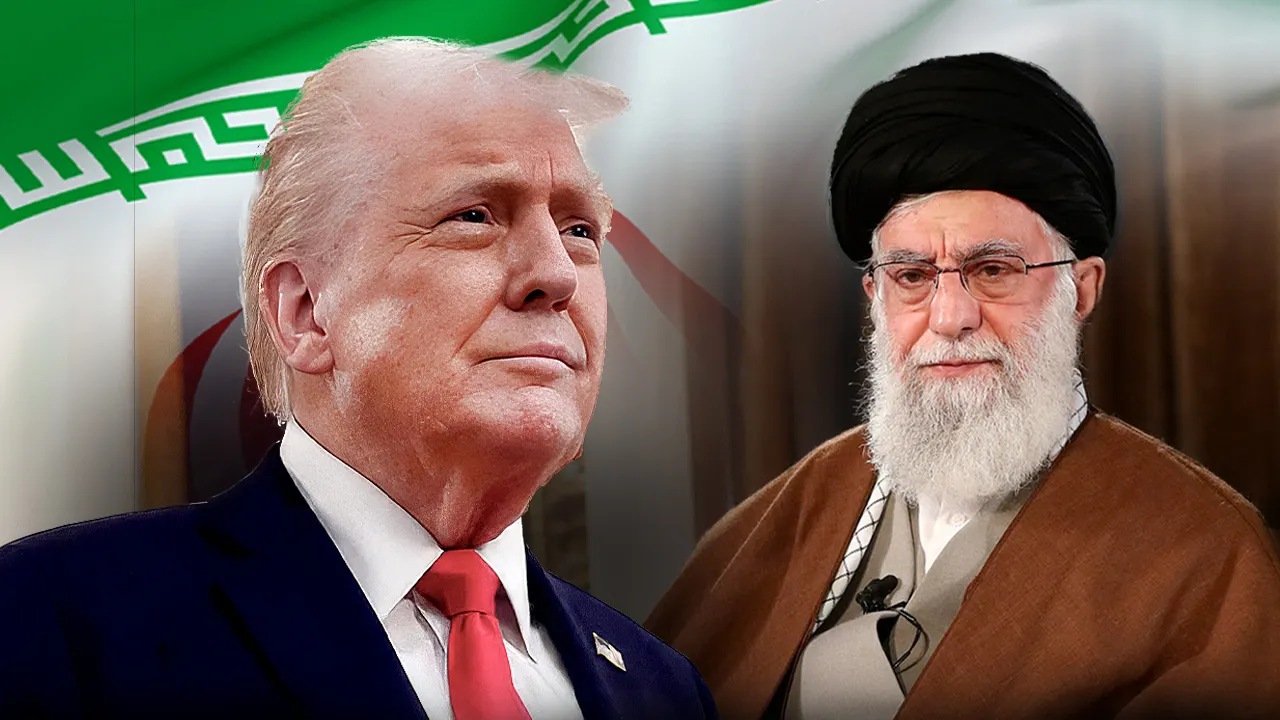
Iran’s foreign minister has arrived in Islamabad for talks with U.S. Officials, marking a significant development in ongoing diplomatic efforts to address regional tensions. The visit comes amid heightened scrutiny over Iran’s nuclear program and recent exchanges between Tehran and Washington, with both sides indicating a willingness to engage despite public skepticism. According to multiple regional reports, the Iranian diplomat’s presence in Pakistan’s capital signals a continued push for dialogue, even as official confirmation from Tehran about direct participation in U.S.-led negotiations remains pending.
The timing of the visit aligns with recent statements from former U.S. President Donald Trump, who asserted that the potential for conflict with Iran is “nearly over,” suggesting a shift toward diplomatic resolution. Meanwhile, reports indicate that U.S. Envoys, including special envoy Steve Witkoff and senior advisor Jared Kushner, are expected to arrive in Islamabad later in the week for separate discussions. However, Iranian officials have not confirmed whether they will engage directly with the American delegation, maintaining a cautious stance amid complex regional dynamics.
Pakistan, sharing borders with both Iran and Afghanistan, has increasingly positioned itself as a neutral facilitator in Middle Eastern diplomacy. Islamabad has hosted several backchannel talks in recent years, leveraging its geographic and political neutrality to create space for dialogue when direct talks stall. Analysts note that Pakistan’s role is particularly significant given its longstanding ties with Tehran and its strategic relationship with Washington, allowing it to act as a conduit where other channels may be blocked.
Whereas no formal agenda has been released, observers suggest the talks may focus on de-escalation measures, humanitarian concerns, and potential frameworks for future engagement on nuclear and regional security issues. The absence of public details reflects the sensitive nature of the discussions, which often proceed through discreet channels to avoid politicization or premature speculation. Both Washington and Tehran have historically used third-party intermediaries to test intentions and explore confidence-building measures without committing to public negotiations.
The situation remains fluid, with conflicting signals emerging from various capitals. While some officials express optimism about the prospects for dialogue, others warn that deep mistrust and divergent expectations could hinder meaningful progress. Regional analysts emphasize that any substantive outcome would require sustained engagement over time, rather than reliance on single meetings or symbolic gestures. For now, the focus remains on maintaining open lines of communication, even as the path forward remains uncertain.
Diplomatic Channels and Regional Implications
The use of Pakistan as a venue for indirect talks underscores the evolving nature of diplomacy in volatile regions where direct engagement carries significant risks. By hosting such discussions, Islamabad avoids taking sides while providing a secure environment for sensitive conversations. This approach has precedent in past crises, where neutral third parties helped prevent escalation by enabling communication when bilateral trust was insufficient.
For Iran, engaging through intermediaries allows it to signal willingness to negotiate without appearing to concede to U.S. Demands prematurely. Similarly, Washington can explore Iranian intentions without committing to face-to-face talks that might be perceived as concessions by domestic critics. The dynamic reflects a broader pattern in modern diplomacy, where backchannels often precede or accompany formal negotiations, especially in high-stakes environments marked by mutual suspicion.
Regional stakeholders, including Gulf states and European partners, are closely monitoring the developments, recognizing that any shift in U.S.-Iran relations could have wide-ranging implications for security, energy markets, and proxy conflicts across the Middle East. While no breakthrough is expected from the current talks, even incremental progress in reducing misperceptions or establishing communication protocols could contribute to long-term stability.
Historical Context and Ongoing Challenges
U.S.-Iran relations have been strained for decades, marked by periods of confrontation, limited diplomacy, and mutual accusations of lousy faith. The withdrawal from the Joint Comprehensive Plan of Action (JCPOA) in 2018 and subsequent escalations have deepened mistrust, making any renewal of dialogue a complex and delicate process. Both sides have set preconditions that the other views as non-negotiable, creating a cycle of action and reaction that has repeatedly derailed diplomatic initiatives.
Recent months have seen fluctuating signals, with occasional hints of openness countered by renewed rhetoric and military posturing. The involvement of figures like Witkoff and Kushner — who were central to Middle East policy during the previous administration — adds another layer of complexity, given their controversial roles in past peace efforts. Their participation may be interpreted by Tehran as either a sign of continued U.S. Engagement or an attempt to revive discredited approaches, depending on internal perspectives in Iran.
Pakistan’s own balancing act is not without challenges. Maintaining relations with both Iran and the United States requires careful navigation, particularly as regional alliances shift and pressure mounts from various quarters. Islamabad’s ability to host talks depends on its perceived neutrality, which could be undermined if either side believes Pakistan is favoring the other. So far, the country has managed to preserve its role as a facilitator by emphasizing its commitment to regional peace and non-interference.
What Comes Next
As of now, no official joint statement or detailed readout has been released following the Iranian foreign minister’s arrival in Islamabad. The next expected development is the anticipated arrival of the U.S. Delegation later this week, though their exact schedule and willingness to meet Iranian representatives remain unconfirmed. Observers suggest that any meaningful progress would likely depend on behind-the-scenes coordination rather than public appearances, with outcomes potentially communicated through intermediaries or delayed announcements.

For those seeking updates, official channels such as the Pakistani Foreign Office, the U.S. State Department, and Iran’s Ministry of Foreign Affairs are the primary sources for verified information. Multilateral organizations like the United Nations and the International Atomic Energy Agency may also provide relevant context, particularly regarding nuclear-related developments. Until further clarity emerges, the situation remains one of cautious observation, with diplomacy continuing to unfold through indirect and often invisible channels.
If you have insights or perspectives on these developments, we encourage you to share them in the comments below. Your contributions aid foster a deeper understanding of complex global issues. Please consider sharing this article with others who may be following these events, and stay tuned to World Today Journal for continued coverage of international affairs as they evolve.