The diplomatic landscape between Washington and Tehran remains in a state of profound uncertainty as high-stakes communications continue behind closed doors. Recent reports indicate that an active exchange of messages is currently underway between the United States and Iran, though officials caution that no formal agreement has been finalized.
This ongoing dialogue comes at a critical juncture for Middle Eastern stability, as both nations navigate a complex web of “red lines” that dictate the boundaries of any potential rapprochement. While the prospect of a deal remains a subject of intense international scrutiny, the path toward a signed accord is fraught with technical, political, and security-related obstacles that have historically stymied direct negotiations.
As the international community watches closely, the central question remains whether these recent message exchanges represent a genuine breakthrough or merely a continuation of the long-standing diplomatic stalemate. The outcome of these discussions holds significant implications not only for the nuclear non-proliferation regime but also for global energy security and the broader geopolitical balance in the Persian Gulf.
The Status of Negotiations: An Ongoing Exchange
According to recent reports regarding the diplomatic friction between the two powers, the exchange of messages between the United States and Iran is ongoing. This indicates that despite the absence of a formal treaty or a finalized pact, the channels of communication—often facilitated through third-party intermediaries—remain open. This “back-channel” diplomacy is a hallmark of US-Iran relations, where direct engagement is frequently avoided in favor of indirect messaging through regional actors.
The fact that an agreement has not yet been finalized underscores the depth of the divide between the two nations. Negotiators are tasked with reconciling fundamentally different visions of regional security and international compliance. The current impasse reflects a period of intense maneuvering, where each side seeks to secure maximum concessions while protecting its core strategic interests.
In previous cycles of diplomacy, such as the negotiations leading to the Joint Comprehensive Plan of Action (JCPOA), the transition from message exchange to a finalized deal required months, if not years, of technical verification. The current situation mirrors that complexity, as the “unfinalized” status of the current talks suggests that the most difficult hurdles—those involving verification protocols and sanctions relief—have yet to be cleared.
Deciphering the “Red Lines” of Diplomacy
In the context of US-Iran relations, the term “red lines” refers to the non-negotiable conditions that each government establishes as prerequisites for any diplomatic breakthrough. For the United States, these red lines are typically centered on the prevention of nuclear weapons capability and the mitigation of regional instability caused by Iranian proxy activities.

The primary technical red lines for Washington include:
- Nuclear Enrichment Levels: A critical threshold involves the percentage of uranium enrichment. The international community, through the International Atomic Energy Agency (IAEA), maintains strict oversight to ensure that enrichment levels do not approach weapons-grade capabilities.
- Centrifuge Technology: The scale and sophistication of the centrifuges used in enrichment processes are central to any negotiation, as advanced technology significantly shortens the “breakout time” to a nuclear weapon.
- Monitoring and Verification: A major sticking point is the level of access granted to international inspectors. The US has long demanded “anytime, anywhere” access to ensure that all aspects of Iran’s nuclear program are transparent and compliant with international law.
On the Iranian side, the red lines are often focused on economic sovereignty and political survival. Tehran has consistently maintained that any deal must include the full and verifiable lifting of economic sanctions that have crippled its domestic economy. Iran views any attempt to dictate its regional defense posture or its support for various political movements as a violation of its national sovereignty.
The intersection of these opposing red lines creates a “negotiation trap,” where the concessions required to satisfy one side are viewed as existential threats by the other. This is why, even in periods of active messaging, the finalization of a deal remains elusive.
The Political Variable: The Legacy of “Maximum Pressure”
The success of any diplomatic endeavor between Washington and Tehran is inextricably linked to the domestic political landscape of the United States. The influence of different political administrations and their respective approaches to Iran policy continues to shape the boundaries of what is considered a “negotiable” deal.
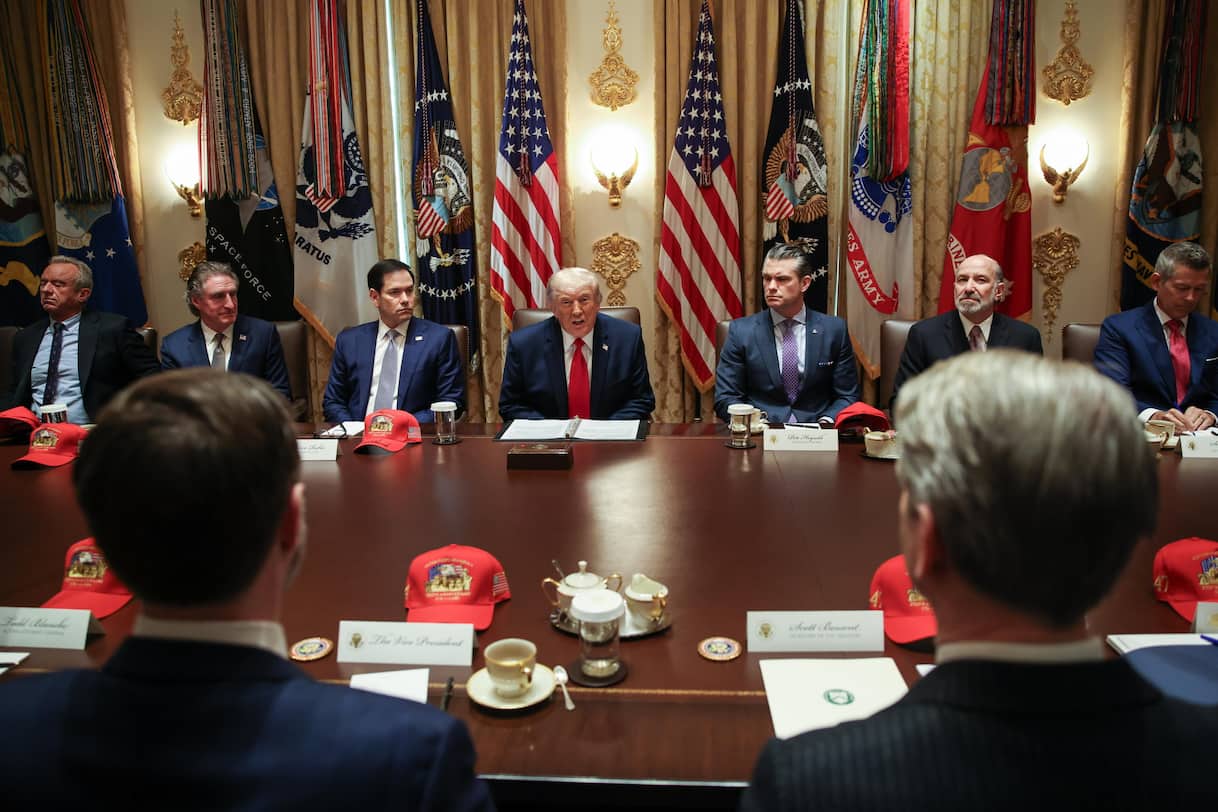
Political analysts frequently point to the “Maximum Pressure” campaign, a hallmark of the Trump administration, as a defining era in this conflict. That policy sought to use aggressive economic sanctions and diplomatic isolation to force Iran to the negotiating table under much stricter terms than those found in the original JCPOA. The legacy of this approach continues to influence current discussions, as policymakers weigh the effectiveness of economic coercion against the stability provided by diplomatic engagement.
The mention of political figures like Donald Trump in the context of potential deals highlights a recurring theme in US foreign policy: the pendulum swing between engagement and confrontation. Any future administration—or even the current one—must contend with the reality that a deal perceived as “too soft” by domestic opponents could be easily dismantled, much like the previous agreements. This creates a high barrier for entry, as negotiators must craft agreements that are not only technically sound but also politically resilient within the US Congress.
Global Stakes: Energy Markets and Regional Security
The implications of the US-Iran diplomatic stalemate extend far beyond the borders of the two nations. The geopolitical tension in the Persian Gulf serves as a primary driver of volatility in global energy markets. Because a significant portion of the world’s oil and liquefied natural gas (LNG) passes through the Strait of Hormuz, any escalation in the “Iran-US war” of words or actions has an immediate impact on global oil prices.
A finalized deal, or even a credible move toward one, typically leads to a “risk premium” reduction in energy markets, as the threat of supply disruptions diminishes. Conversely, the current state of “ongoing messages” and “unfinalized” status maintains a baseline of uncertainty that keeps markets on edge.
Beyond energy, the regional security architecture of the Middle East is at stake. The competition for influence between Iran and its regional rivals—including Israel and various Arab states—is a central component of the broader conflict. The ability of the US to manage the Iran file directly affects its relationships with its key allies in the region, who often view Iranian nuclear ambitions and regional proxy networks as direct threats to their national security.
Key Takeaways: The Current Diplomatic Landscape
- Active Communication: Despite the lack of a formal agreement, message exchanges between the US and Iran are currently ongoing.
- No Finalized Pact: No official deal has been reached, with both sides still grappling with fundamental disagreements.
- The Red Line Conflict: Negotiations are stalled by conflicting non-negotiables regarding nuclear enrichment, sanctions, and regional influence.
- Political Sensitivity: US domestic politics and the history of “Maximum Pressure” policies continue to dictate the limits of diplomatic flexibility.
- Global Impact: The outcome of these talks will directly influence global energy prices and Middle Eastern security stability.
Frequently Asked Questions
What is meant by “red lines” in the US-Iran negotiations?
Red lines are the non-negotiable conditions set by each country. For the US, these often include limits on nuclear enrichment and the prevention of ballistic missile development. For Iran, a primary red line is the complete removal of economic sanctions.

Why is the deal not being finalized quickly?
The complexity of verifying nuclear compliance, the economic impact of lifting sanctions, and the political difficulty of securing long-term agreements in the US make the process exceptionally slow and difficult.
How do third parties help in these negotiations?
Countries like Oman and Qatar often act as intermediaries, providing a neutral ground for “back-channel” messaging when direct, face-to-face diplomacy is politically impossible.
The next major checkpoint in this unfolding situation will be the upcoming reports from the International Atomic Energy Agency regarding Iran’s recent enrichment activities and any subsequent briefings from the US State Department. These official updates will provide the most concrete evidence of whether the current message exchanges are leading toward a breakthrough or a continued impasse.
What are your thoughts on the current diplomatic approach? Do you believe a lasting deal is possible given the current “red lines”? Let us know in the comments below and share this article with your network.
Related reading