Escalating Tensions: Iran Vows Retribution Following Reported Attacks and Loss of Senior Official
The Middle East remains on edge as Iran and Israel exchange veiled threats and accusations following a series of escalating events. Recent reports indicate retaliatory strikes targeting Tel Aviv, attributed by Iranian officials to the death of a senior security figure, while regional powers attempt to de-escalate the situation. The volatile dynamic underscores the fragility of peace in the region and raises concerns about a potential wider conflict. The situation is further complicated by ongoing diplomatic efforts and the involvement of international actors seeking to prevent further escalation.
The recent surge in tensions stems from a complex interplay of factors, including regional power struggles, historical grievances, and concerns over nuclear proliferation. Iran’s increasing military capabilities and its support for proxy groups across the Middle East have long been a source of concern for Israel and its allies. The United States has consistently maintained a policy of deterring Iranian aggression while seeking a diplomatic solution to the nuclear issue. The current escalation adds another layer of complexity to these already fraught relationships, demanding careful diplomacy and restraint from all parties involved. The potential for miscalculation and unintended consequences is high, making de-escalation a critical priority.
Reported Attacks and Iranian Response
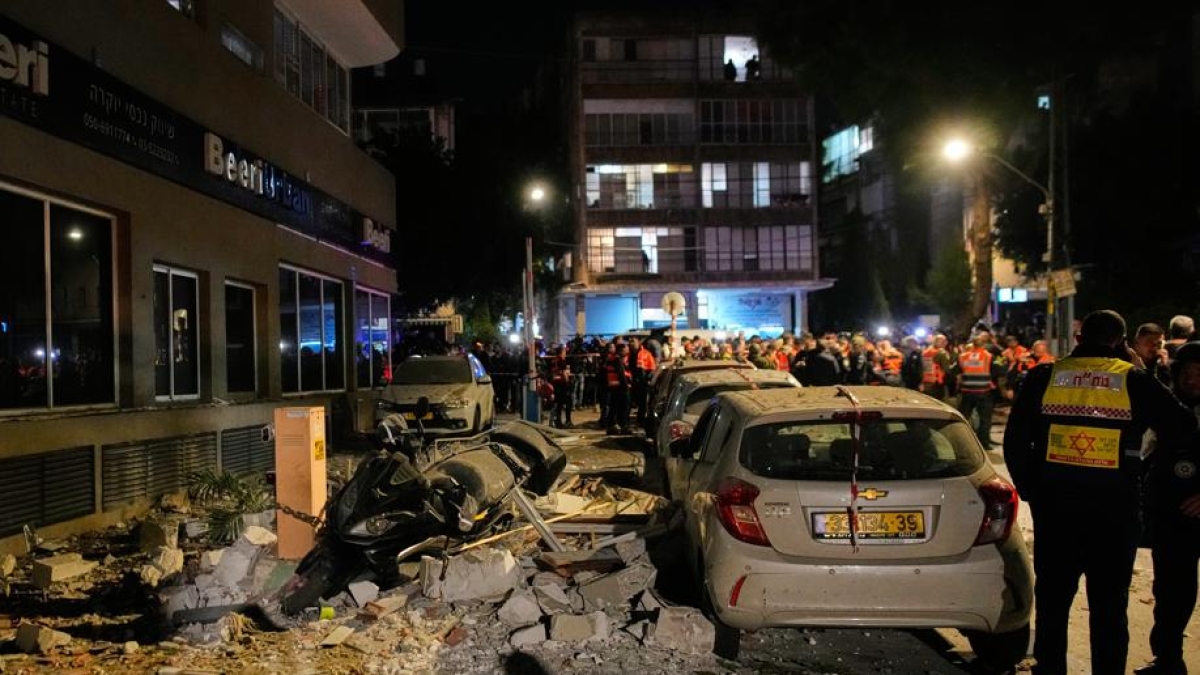
According to reports, attacks targeting Tel Aviv on Wednesday night resulted in at least two casualties. The Islamic Revolutionary Guard Corps (IRGC) has claimed responsibility for these attacks, stating they were launched in response to the death of Ali Larijani, a high-ranking Iranian official. Larijani, who served as the head of Iran’s Supreme National Security Council, was reportedly killed in an attack earlier this week, though details surrounding his death remain limited and have not been independently confirmed by international sources.
General Amir Hatami, the chief of the Iranian army, has vowed retribution for Larijani’s death, stating, “The pure blood of (Ali Larijani) and other beloved martyrs will be avenged.” This statement, reported by Iran’s Tasnim news agency, signals a firm commitment to retaliate against those perceived responsible for the attack. The IRGC’s announcement further solidifies this stance, explicitly linking the Tel Aviv attacks to the desire for vengeance. This cycle of retaliation raises the specter of a prolonged escalation, with each side potentially responding to the other’s actions in a tit-for-tat manner.
International Reactions and De-escalation Efforts
The escalating tensions have drawn concern from the international community. Amidst these developments, former U.S. President Donald Trump has stated that Iran is “talking to us,” suggesting a potential channel for communication and de-escalation. France 24 reported on this development, highlighting the potential for dialogue even amidst heightened tensions. However, the specifics of these talks and their potential outcome remain unclear.
Iran’s Supreme Leader, Ayatollah Ali Khamenei, has warned the United States of a potential regional war spillover, according to rudaw.net. This warning underscores Iran’s perception of the United States’ role in the regional conflict and its concerns about potential escalation. The statement serves as a clear signal to Washington to exercise caution and avoid actions that could further destabilize the region.
Simultaneously, Iranian officials have indicated progress towards potential talks with the United States. The Express Tribune reports that Iranian officials believe headway has been made in establishing a dialogue with Washington. However, the nature of these discussions and the specific issues under negotiation remain largely undisclosed.
Background and Regional Implications
The current escalation is rooted in a long history of tensions between Iran and Israel, exacerbated by the involvement of regional and international powers. Israel views Iran’s nuclear program as an existential threat and has repeatedly stated its willingness to accept action to prevent Iran from acquiring nuclear weapons. Iran, in turn, maintains that its nuclear program is for peaceful purposes and has accused Israel of engaging in sabotage and espionage.
The conflict similarly plays out through proxy groups in countries like Lebanon, Syria, and Yemen. Iran supports Hezbollah in Lebanon, the Syrian government, and Houthi rebels in Yemen, while Israel maintains close ties with Saudi Arabia and other regional actors who oppose Iranian influence. This complex web of alliances and rivalries creates a volatile environment where miscalculation and escalation are always a risk. The potential for a wider regional conflict, involving multiple actors and potentially drawing in the United States, is a significant concern.
Key Takeaways
- Tensions between Iran and Israel have escalated following reported attacks and the death of a senior Iranian official.
- Iran has vowed retribution for the death of Ali Larijani, claiming the attacks in Tel Aviv were in response.
- International efforts to de-escalate the situation are underway, with former U.S. President Trump reporting communication with Iranian officials.
- The situation remains highly volatile, with the potential for further escalation and a wider regional conflict.
The coming days will be critical in determining whether the current escalation can be contained or whether it will spiral into a broader conflict. Continued diplomatic efforts, restraint from all parties, and a commitment to dialogue are essential to prevent further bloodshed and instability in the region. The international community must remain engaged and work towards a peaceful resolution to the underlying issues driving the conflict. Further updates will be provided as the situation develops.
Related reading