
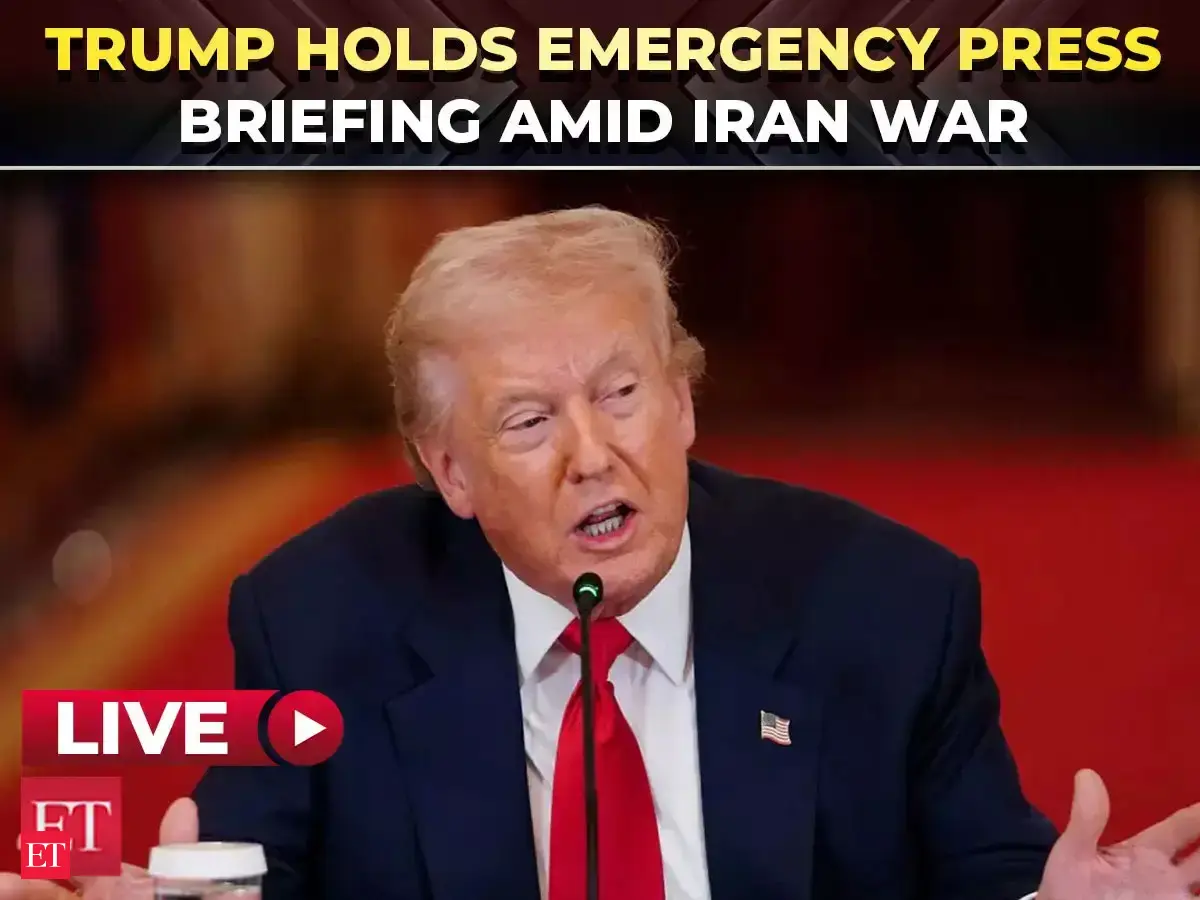
As the international community monitors a volatile geopolitical landscape, the United States and Iran have signaled a potential shift toward a diplomatic resolution regarding long-standing tensions. Following discussions with various Middle Eastern leaders, President Trump indicated that a peace deal between the two nations has been “largely negotiated.” However, the path to formalizing this agreement remains complex, as both American and Iranian officials have offered differing characterizations of the proposed terms.
The core of the current diplomatic push involves the status of the Strait of Hormuz, a critical maritime chokepoint, alongside concerns over Iran’s nuclear ambitions. While the U.S. Administration frames the progress as a significant step toward regional stability, the response from Tehran suggests that substantial disagreements persist regarding the management and oversight of these strategic interests. As of May 24, 2026, the situation remains fluid, with both parties engaged in a delicate process of negotiation and public messaging.
Diplomatic Efforts and Differing Perspectives
The prospect of a formal agreement has become a central focus of U.S. Foreign policy. President Trump described the current state of affairs by stating that “Final aspects and details of the Deal” are “currently being discussed and will be announced shortly.” This diplomatic outreach reportedly includes the unfreezing of certain Iranian assets held in foreign banks, a move intended to incentivize continued cooperation and dialogue.
Secretary of State Marco Rubio has played a prominent role in articulating the administration’s preference for a peaceful resolution. During recent briefings, Rubio emphasized that the president’s priority is to utilize diplomatic channels to address the nuclear program and the status of the Strait of Hormuz, rather than pursuing military alternatives. Rubio noted that the proposed agreement, if accepted by Tehran, could lead to “completely open straits” and potentially address international concerns regarding Iran’s nuclear trajectory. Despite this, he cautioned that success is contingent upon full compliance and further negotiations on the technical details of the deal via CBS News.
The Iranian perspective, however, has introduced a notable point of friction. Reports from the semi-official Fars News Agency indicate that the Iranian government disputes the U.S. Characterization of the Strait of Hormuz’s future status, asserting that even in the event of an agreement, the waterway will remain under Iranian management. This discrepancy highlights the fundamental challenges that negotiators face as they attempt to reconcile competing national interests.
The Strategic Importance of the Strait of Hormuz
The Strait of Hormuz serves as one of the world’s most vital energy corridors, facilitating the transit of a significant portion of global oil supplies. Any fluctuation in the security or accessibility of this passage has immediate, far-reaching consequences for global energy markets and economic stability. The current negotiations are heavily focused on establishing a framework that ensures the freedom of navigation while navigating the complex security architecture of the Gulf region.
For the United States and its partners in the Gulf, the objective is to eliminate the threat of throttled traffic through the strait. Conversely, Iran has historically maintained that its presence and oversight in the region are matters of sovereign interest. The ongoing dialogue represents an attempt to find a middle ground that satisfies international requirements for maritime passage while respecting the regional influence of the participating states.
Looking Ahead: Compliance and Future Negotiations
The coming days are expected to be critical as the technical details of the proposed agreement are finalized. The requirement for “future work on negotiating the details,” as highlighted by Secretary of State Rubio, underscores that a broad agreement in principle is only the beginning of a potentially long and arduous implementation phase. The international community is waiting to see if these high-level signals of progress will translate into concrete, enforceable commitments.
As the situation develops, observers are watching for further official statements from both the U.S. Department of State and Iranian authorities. Compliance verification, particularly regarding any nuclear-related components of a potential deal, will likely serve as the primary litmus test for the success of these negotiations. For now, the focus remains on the ongoing communication between negotiators and the ability of both nations to bridge the gap between their public declarations and the actual terms of a prospective treaty.
We will continue to track these developments as more information becomes available. Readers are encouraged to monitor official government press releases and reputable international outlets for the latest updates on this unfolding story. We welcome your perspectives on these developments in the comments section below.
- Russia Faces New Mobilization Fears as Citizens Flee the Country Again
- Chicago Fire Season 15: Dermot Mulroney’s Return and CFD Brass Details
- Evidence Indicates U.S. Dropped Bomb on Residential Area in Iran, Killing 3 Civilians (archyworldys.com)
- Olivia Wilde’s New Dinner Party Movie: Cast and Plot Details (archynewsy.com)