
Diplomatic efforts to end the ongoing conflict between the United States and Iran are reaching a critical juncture, as President Donald Trump signaled that US-Iran peace talks could resume as early as this week. The possibility of negotiations comes amidst a high-stakes naval standoff in the Strait of Hormuz and intensifying accusations that Beijing has provided Tehran with critical intelligence assets to target American forces.
The geopolitical tension is currently defined by a paradoxical mix of military escalation and diplomatic signaling. Even as the U.S. Maintains a stringent naval blockade to pressure the Iranian government, the White House is simultaneously managing delicate communications with China to prevent the conflict from expanding into a broader global confrontation. The stakes include the stability of global energy markets and the security of U.S. Military installations across the Middle East.
Current reports indicate that while previous negotiation efforts in Islamabad failed, the U.S. Administration is actively seeking an alternative venue for high-level discussions. This diplomatic push coincides with a proposed four-point peace plan presented by Chinese President Xi Jinping, as Beijing attempts to position itself as a mediator while denying any direct military involvement in the hostilities.
Naval Blockade and Economic Pressure in the Strait of Hormuz
The maritime situation in the Persian Gulf has deteriorated significantly, with the United States implementing a naval blockade of Iranian ports. According to reports from Il Gazzettino, the blockade is currently enforced by 15 U.S. Ships. The impact of this operation was felt immediately, with six merchant vessels forced to reverse course and return to Iranian ports after encountering the blockade.
Beijing has reacted sharply to these maneuvers, describing the U.S. Blockade of Iranian ports as “dangerous and irresponsible.” This friction is compounded by a tightening of economic screws; the U.S. Department of the Treasury has announced it will not renew temporary sanctions exemptions that had previously allowed Iran to sell a portion of its oil. The Treasury warned that it is prepared to apply secondary sanctions against any entities that continue to support Iranian activities.
The TEE-01B Satellite Controversy
A major flashpoint in the current crisis is the alleged role of Chinese technology in Iranian military operations. The Financial Times, citing leaked Iranian military documents, reported that Tehran utilized a Chinese spy satellite, identified as the TEE-01B, to pinpoint and strike U.S. Military bases throughout the Middle East. These documents suggest the TEE-01B was acquired by the Aerospace Force of the Islamic Revolutionary Guard Corps (IRGC) in late 2024 after being launched by China, as detailed by Sky TG24.
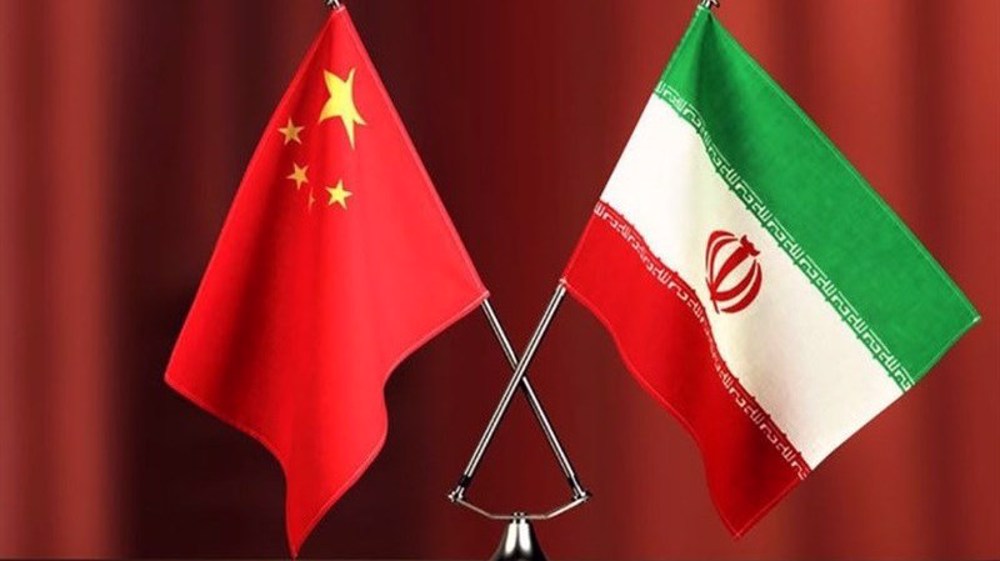
China has vehemently denied these claims. Lin Jian, a spokesperson for the Chinese Foreign Ministry, stated that accusations of China providing military support to Iran are “entirely fabricated.” Lin further warned on X (formerly Twitter) that if the United States uses these allegations as a basis to advance a trade war against Beijing, China would respond with “countermeasures.”
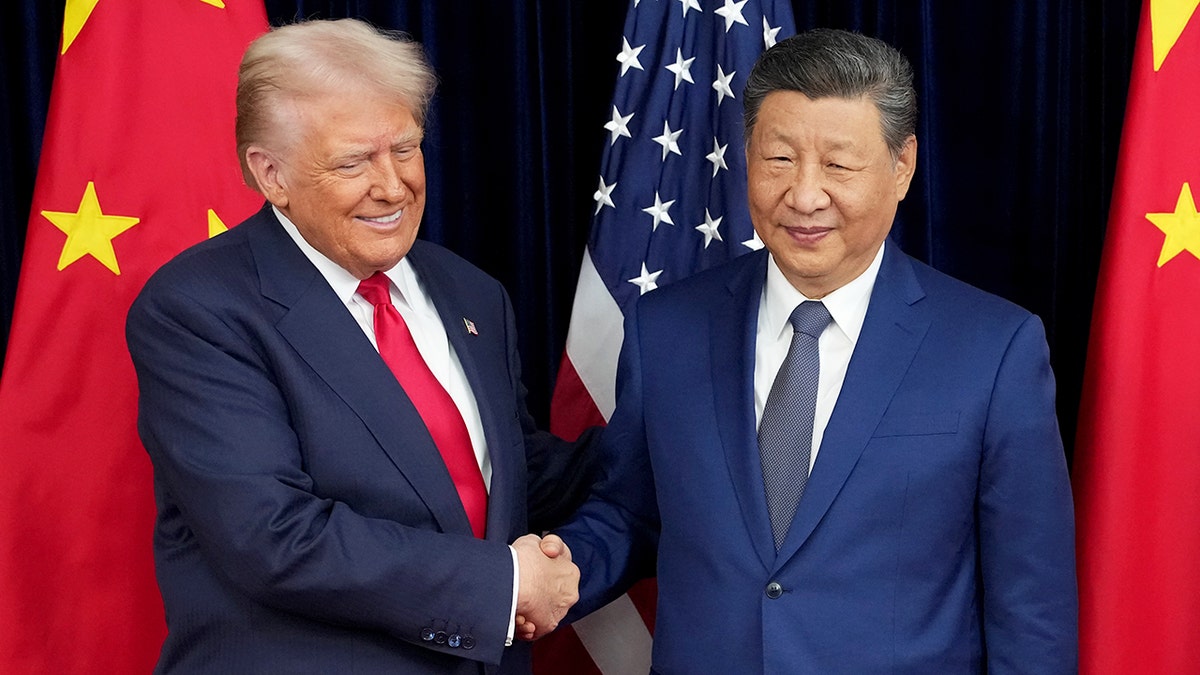
Despite the public denials, the issue has reached the highest levels of government. White House spokesperson Karoline Leavitt confirmed that President Donald Trump wrote a letter to President Xi Jinping requesting that China refrain from sending weapons to Tehran. According to Leavitt, Xi responded by assuring Trump that China is not providing such weaponry.
Diplomatic Outlook and Regional Shifts
The path toward US-Iran peace talks remains uncertain but active. While the U.S. Has ruled out Pakistan as the site for the next round of meetings, President Trump indicated in an interview with the New York Post that “things are moving” and that another location is being considered. The urgency of these talks is underscored by the fact that Tehran has reportedly reached out to the U.S. To express a desire for dialogue.
Beyond the U.S.-Iran axis, other regional dynamics are shifting. In Washington, representatives from Israel and Lebanon have reportedly engaged in “constructive” discussions. According to a joint note, the two parties have agreed to initiate direct negotiations at a date and location to be determined, suggesting a broader regional effort to stabilize the Middle East.
Key Developments at a Glance
| Issue | Current Status | Key Detail |
|---|---|---|
| Naval Blockade | Active | 15 US ships blocking Hormuz; 6 merchant ships turned back |
| Intelligence | Disputed | Reports of IRGC using Chinese TEE-01B satellite |
| Oil Sanctions | Tightening | US Treasury refusing to renew oil export exemptions |
| Diplomacy | Pending | Trump seeking new venue for talks; Xi’s 4-point peace plan |
As the international community watches the Strait of Hormuz, the immediate focus remains on whether the U.S. And Iran can agree on a neutral ground for negotiations. The success of these talks likely depends on whether the U.S. Can verify China’s assurances regarding military support and whether Tehran is willing to accept the current economic pressures in exchange for a diplomatic resolution.
The next confirmed checkpoint will be the announcement of the official location and date for the resumed US-Iran negotiations, which the U.S. Administration suggested could be discussed within the coming days.
World Today Journal encourages readers to share this report and leave their perspectives on the regional stability of the Middle East in the comments section below.
Related reading