
A rapidly expanding botnet known as Redheberg is currently compromising thousands of devices globally, posing a significant threat to digital infrastructure. Cybersecurity data indicates a massive surge in the network’s growth, with approximately 2,000 modern devices being compromised every single day.
The scale of the Redheberg botnet campaign has already reached a critical mass. According to the Austrian security specialist Risikomonitor, the botnet currently encompasses roughly 80,000 compromised devices reported on April 16, 2026.
Security experts are warning that if the current rate of infection persists, the botnet could swell to more than 250,000 devices within a few months. Such a vast network of hijacked hardware provides attackers with the necessary bandwidth and computing power to launch massive, coordinated cyber attacks.
Rapid Expansion of the Redheberg Botnet
The speed at which the Redheberg campaign is growing is a primary concern for security analysts. By adding 2,000 new nodes to its network daily, the botnet is scaling at a pace that suggests an automated and highly efficient infection mechanism.
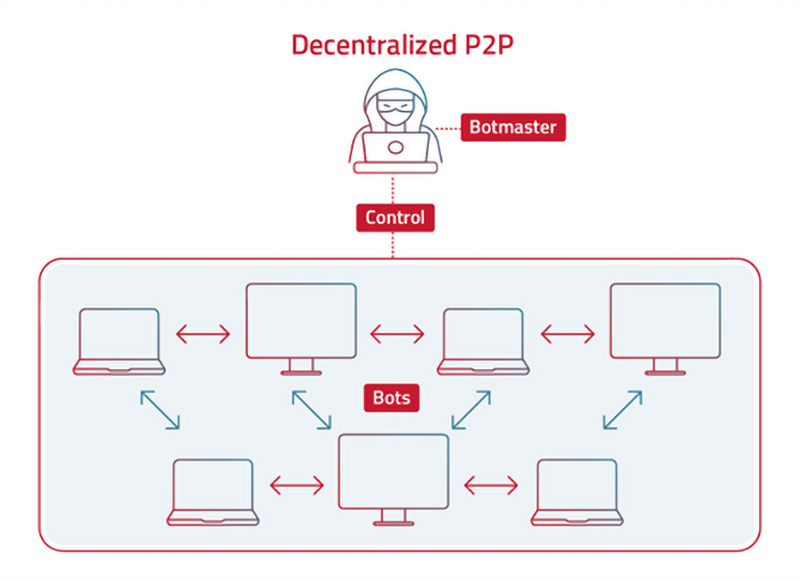
A botnet, or “robot network,” consists of a collection of internet-connected devices—ranging from servers and personal computers to IoT (Internet of Things) gadgets—that have been infected with malware. Once compromised, these devices can be controlled remotely by a single actor, often without the owner’s knowledge.
The current count of 80,000 devices marks a dangerous baseline. Because these devices act in unison, the collective power of the Redheberg network can be harnessed to overwhelm targets, making the potential for disruption substantial as the network approaches the projected 250,000-device threshold.
Potential Impact and Scale of Attacks
While the specific objectives of the Redheberg operators have not been detailed, the sheer size of the network suggests a capacity for large-scale operations. Botnets of this magnitude are typically utilized for several types of malicious activity:

- Distributed Denial of Service (DDoS) Attacks: By directing hundreds of thousands of devices to flood a single website or server with traffic, attackers can crash critical infrastructure, government portals, or corporate services.
- Spam and Phishing Campaigns: Hijacked devices can be used to send millions of fraudulent emails, bypassing traditional spam filters because the traffic originates from legitimate, diverse IP addresses.
- Credential Stuffing: Attackers can use the botnet to attempt thousands of logins across various platforms simultaneously, using stolen passwords to gain unauthorized access to accounts.
The transition from 80,000 to 250,000 devices would represent a tripling of the botnet’s offensive capabilities, significantly increasing the risk of “huge attacks” that could impact global digital stability.
Monitoring the Threat
The identification of the Redheberg campaign is attributed to the Austrian security specialist Risikomonitor, whose monitoring tools tracked the daily influx of compromised hardware. The ability to quantify the growth—specifically the 2,000-device daily increase—allows the cybersecurity community to gauge the urgency of the threat.
For organizations and individuals, this surge highlights the ongoing vulnerability of connected devices. As botnets like Redheberg continue to expand, the importance of maintaining updated firmware, using strong, unique passwords, and employing robust network monitoring becomes paramount to prevent devices from becoming “zombies” in a larger attack network.
Key Takeaways on the Redheberg Campaign
- Current Size: Approximately 80,000 compromised devices.
- Growth Rate: Roughly 2,000 new devices added daily.
- Projected Scale: Potential to exceed 250,000 devices in a few months.
- Primary Risk: Ability to launch massive, coordinated cyber attacks.
- Source of Data: Austrian security specialist Risikomonitor.
As the Redheberg botnet continues its expansion, security specialists are expected to provide further updates on the specific vulnerabilities being exploited and potential mitigation strategies. Notice currently no further scheduled official briefings, but the cybersecurity community remains on high alert.
Do you have information on securing your devices against botnet infections? Share your thoughts in the comments below or share this article to alert your network.
Related reading