
Tehran – The death of Ayatollah Ali Khamenei, Iran’s Supreme Leader, on February 28, 2026, marks a pivotal moment for the Islamic Republic and the wider Middle East. Confirmed by Iranian state media, including the Islamic Republic News Agency (IRNA), the assassination, carried out in a joint strike by the United States and Israel, has plunged the nation into a period of uncertainty and raised fears of escalating regional conflict. The loss of a figure who dominated Iranian politics for nearly four decades, navigating complex geopolitical challenges and internal dissent, leaves a significant power vacuum and raises questions about the future trajectory of the country. The strikes targeted Khamenei’s residence in Tehran, resulting in what state media described as his martyrdom while “carrying out his duties.”
Khamenei’s leadership, beginning in 1989 after succeeding Ayatollah Ruhollah Khomeini, was characterized by a staunch anti-Western stance, particularly towards the United States and Israel. He oversaw Iran’s controversial nuclear program, which drew international condemnation and sanctions, and expanded the country’s regional influence through support for proxy groups and allies. His death comes at a time of heightened tensions, with Iran already facing economic hardship due to sanctions and recent military setbacks. The timing of the assassination, following previous strikes in June 2025, suggests a deliberate escalation by the US and Israel, aiming to destabilize the Iranian regime. The potential for retaliatory actions by Iran and its allies is a major concern for regional and international security.
A Legacy of Resistance and Resilience
Ayatollah Khamenei’s rise to power followed the death of Ayatollah Khomeini, the founder of the Islamic Republic. While often seen as less charismatic than his predecessor, Khamenei consolidated his authority through a combination of religious legitimacy, political maneuvering, and control over key institutions, including the military and intelligence services. He served as Iran’s third president from 1981 to 1989 before assuming the role of Supreme Leader, a position he held until his death. Throughout his tenure, Khamenei consistently framed Iran as a defender of Islamic values against Western imperialism, a narrative that resonated with many Iranians but also drew criticism from those advocating for greater political and social freedoms.
Under Khamenei’s leadership, Iran significantly expanded its military capabilities, including its ballistic missile program, and increased its support for regional allies such as Hezbollah in Lebanon and Hamas in Palestine. This assertive foreign policy, coupled with Iran’s nuclear ambitions, led to a series of escalating confrontations with the United States and Israel. The 2015 nuclear deal, formally known as the Joint Comprehensive Plan of Action (JCPOA), offered a brief period of de-escalation, but the agreement was abandoned by the US in 2018 under the Trump administration, leading to renewed tensions and sanctions. Khamenei consistently rejected calls for renegotiating the deal on terms deemed unfavorable to Iran.
The Succession Question and Potential Instability
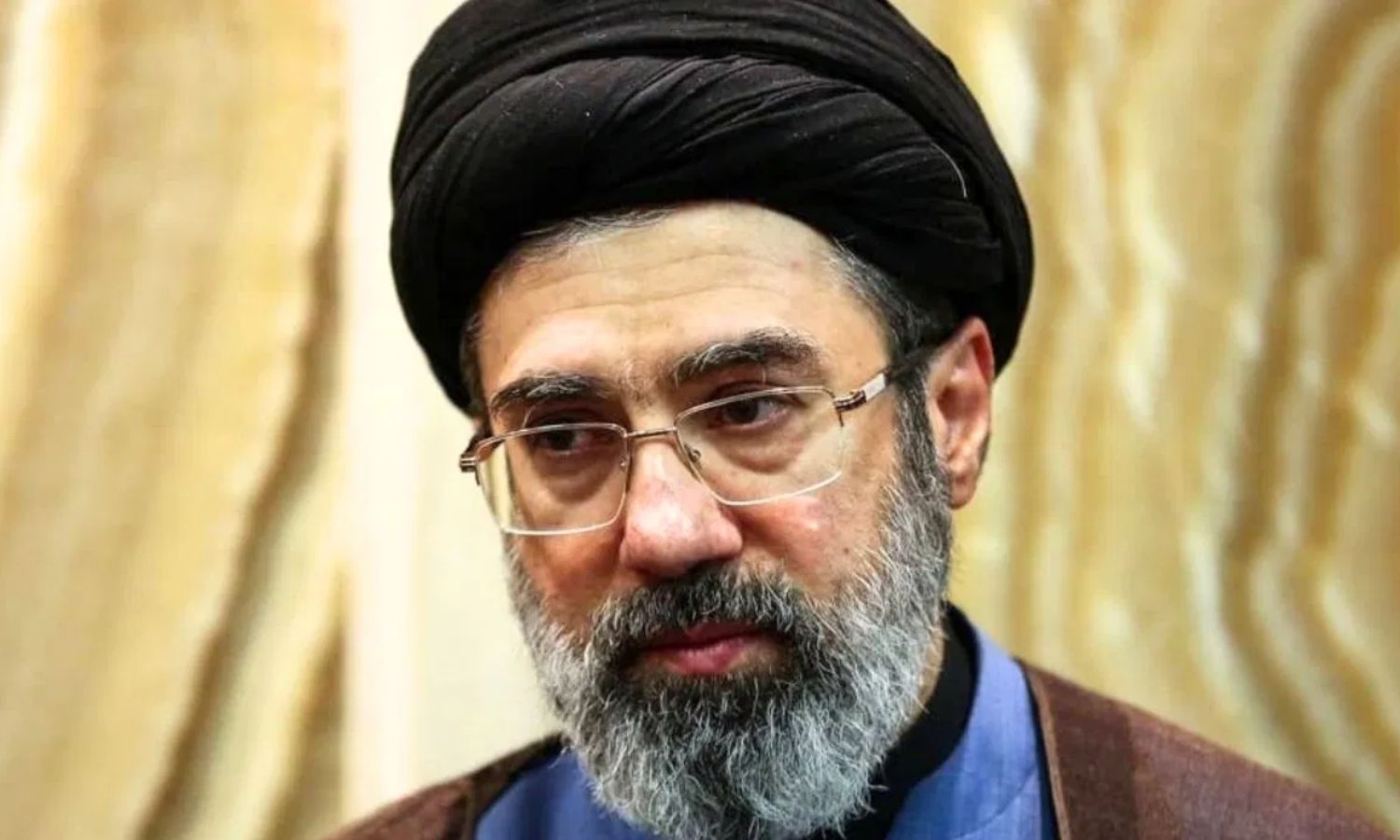
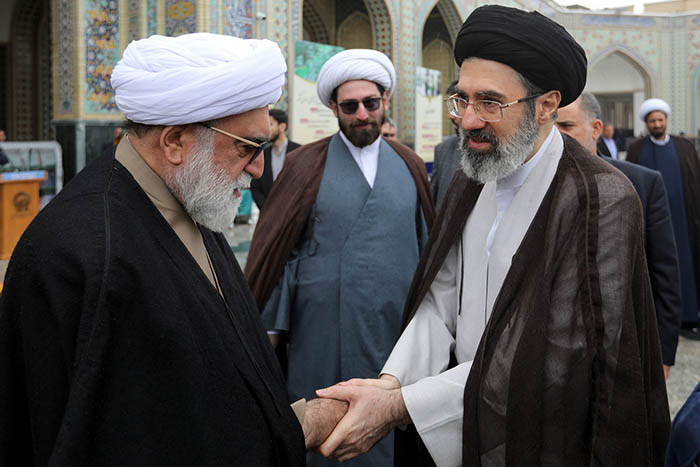
The immediate aftermath of Khamenei’s death centers on the question of succession. According to Iran’s constitution, the Supreme Leader is chosen by the Assembly of Experts, a body of 88 clerics. Mojtaba Khamenei, the late leader’s son, is widely considered a frontrunner, though his lack of formal religious credentials and perceived political inexperience may present obstacles. SINDOnews International reported that Mojtaba Khamenei stated, “With God’s help, America will face a shameful defeat.”
Other potential candidates include figures within the conservative establishment, such as Ebrahim Raisi, the current president, and members of the Assembly of Experts. However, the selection process is likely to be fraught with internal power struggles and competing factions. The outcome will significantly shape Iran’s future policies, both domestically and internationally. Analysts suggest that a more hardline leader could further escalate tensions with the West and intensify repression of internal dissent, while a more pragmatic leader might seek to de-escalate and engage in dialogue. The potential for instability and even civil unrest cannot be ruled out, particularly if the succession process is perceived as illegitimate or unfair.
Iran’s Nuclear Program and Regional Implications
The assassination of Ayatollah Khamenei raises serious concerns about the future of Iran’s nuclear program. Despite repeated assurances that its nuclear activities are for peaceful purposes, Iran has been accused of pursuing a clandestine nuclear weapons program. The collapse of the JCPOA and the reimposition of US sanctions have led Iran to gradually roll back its commitments under the agreement, increasing its uranium enrichment levels and expanding its nuclear infrastructure. As reported by Kompas.id, Iran has stated it will not relinquish its nuclear program, making negotiations increasingly difficult.
The US and Israel have repeatedly stated that they will not allow Iran to acquire a nuclear weapon, and the recent strikes suggest a willingness to take more assertive action to prevent that outcome. However, a military confrontation could have devastating consequences for the region, potentially triggering a wider conflict involving Iran’s allies and proxies. The assassination of Khamenei could embolden hardliners within Iran to accelerate the nuclear program, further escalating tensions. The international community faces a critical challenge in preventing a nuclear crisis and promoting a peaceful resolution to the conflict.
International Reactions and Future Prospects
The assassination of Ayatollah Khamenei has drawn widespread condemnation from some quarters and cautious responses from others. Many countries have called for restraint and urged all parties to avoid further escalation. The United Nations Security Council is expected to convene an emergency session to discuss the situation. The United States and Israel have not officially commented on their involvement in the assassination, but their coordinated actions speak volumes. The European Union has expressed concern about the potential for instability and called for a return to diplomatic negotiations.
The future of Iran remains uncertain. The country faces a multitude of challenges, including economic hardship, political repression, and regional conflicts. The death of Ayatollah Khamenei has created a moment of profound transition, and the choices made by Iran’s leaders in the coming weeks and months will have far-reaching consequences for the country and the world. The potential for both conflict and cooperation exists, and the international community must work to promote a peaceful and stable future for Iran and the Middle East.
Key Takeaways
- Ayatollah Ali Khamenei, Iran’s Supreme Leader, was assassinated in a joint US-Israeli strike on February 28, 2026.
- The assassination has created a power vacuum and raised fears of escalating regional conflict.
- Mojtaba Khamenei, the late leader’s son, is considered a leading candidate to succeed his father, but faces potential obstacles.
- The future of Iran’s nuclear program is uncertain, and the assassination could lead to further escalation.
- The international community must work to prevent a nuclear crisis and promote a peaceful resolution to the conflict.
The Assembly of Experts is scheduled to meet within the coming weeks to select a new Supreme Leader. Further developments are expected as Iran navigates this period of political transition. We encourage readers to share their thoughts and perspectives on this critical issue in the comments below.
Related reading