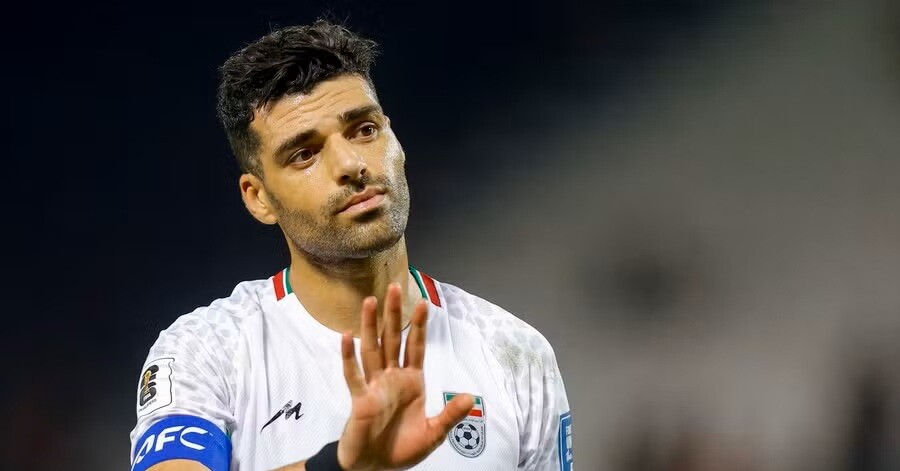
The prospect of the 2026 FIFA World Cup, co-hosted by the United States, Canada and Mexico, is facing a significant question mark as Iran’s participation hangs in the balance following recent military strikes. With the tournament just over three and a half months away, doubts are growing over whether the Iranian national team will compete, particularly with group stage matches scheduled to take place in Los Angeles and Seattle. The uncertainty stems from statements made by the President of the Football Federation of the Islamic Republic of Iran, Mehdi Taj, in the wake of escalating tensions.
Taj’s comments, reported by multiple news outlets including the Associated Press and Reuters, suggest a potential boycott or at least a serious reconsideration of Iran’s involvement. “After these attacks, it’s hard to gaze at the World Cup with hope,” Taj told sports news portal Varzesh3, according to reports. He further indicated that a decision regarding Iran’s participation will be made after evaluation by high-ranking sports officials. The Independent and Khaleej Times both reported on Taj’s statements, highlighting the gravity of the situation.
Escalating Tensions and the Potential for Boycott
The current crisis originates from recent joint air strikes conducted by the United States and Israel against targets within Iran. While the specific reasons for the strikes are complex and tied to regional security concerns, the Iranian response has been strong, with officials ruling out negotiations with the US. The strikes have led to a heightened state of alert and a reassessment of Iran’s international commitments, including its participation in the World Cup. The situation is further complicated by reports of the death of Iran’s supreme leader Ayatollah Khamenei, as reported by several sources, though details remain fluid.
This potential boycott would be unprecedented in modern World Cup history. The last instance of a boycott occurred 60 years ago when African teams refused to participate in protest of an unfair qualifying berth allocation, as noted in reporting by The Independent. The current situation is unique, driven by geopolitical conflict rather than issues related to tournament organization. FIFA is monitoring the situation closely, with Secretary General Mattias Grafstrom stating, “It’s too early to comment, but we will monitor developments around the world that could affect the tournament.”
Group Stage Schedule and Potential Replacements
Iran was drawn into Group G for the 2026 World Cup, alongside Belgium, Egypt, and New Zealand. All three of their scheduled matches are set to be played in the United States: against New Zealand and Belgium in Los Angeles on June 15 and June 21, respectively, and against Egypt in Seattle on June 26. The logistical challenges and potential security concerns surrounding these matches are now under scrutiny. The scheduling of these games in the US, a country with which Iran currently has a strained relationship, adds another layer of complexity to the situation.
Should Iran ultimately decide to withdraw from the tournament, FIFA would need to determine a replacement team. According to reports, the first option would be Iraq, provided they do not advance through the intercontinental playoff against the winner of the Bolivia-Suriname match. If Iraq does qualify through the playoff, the United Arab Emirates, who lost to Iraq in the final round of Asian qualifying, would be the next in line to potentially fill the vacancy. The process of selecting a replacement team would need to be swift and transparent to maintain the integrity of the tournament.
????‼️ Iran’s 2026 World Cup participation is in doubt following U.S. And Israeli strikes.
· Following recent U.S. And Israeli military strikes on Iran, the president of Iran’s soccer federation, Mehdi Taj, expressed grave doubt that the national team will travel to the United… pic.twitter.com/GB7Axr0nrF
— The Touchline | ???? (@TouchlineX) March 2, 2026
Historical Context and FIFA’s Position
The potential for Iran to miss the 2026 World Cup raises questions about the intersection of politics and sports. While boycotts have occurred in the past, they have typically been related to issues of racial discrimination or political oppression within the sporting world itself. A boycott stemming from a direct military conflict between participating nations would be a novel and highly sensitive situation. FIFA has historically sought to maintain a neutral stance in political matters, emphasizing the unifying power of football. However, the scale and severity of the current conflict may force the organization to take a more decisive role.
FIFA’s stated goal is to ensure a safe and secure World Cup for all participants. Mattias Grafstrom reiterated this commitment, stating, “Our goal is a safe World Cup with all participants.” However, balancing this goal with the political realities on the ground will be a significant challenge. The organization will need to consider the safety of players, officials, and fans, as well as the potential for further escalation of the conflict. The logistical implications of Iran’s potential withdrawal, including rescheduling matches and finding a suitable replacement team, also need to be addressed.
Previous Travel Restrictions and Potential Exemptions
Adding another layer of complexity, the US government has previously imposed travel restrictions on Iranian citizens. While exceptions were reportedly planned for Iranian footballers to participate in the World Cup, the current geopolitical climate could lead to a reassessment of these exemptions. The possibility of visa issues or other travel-related obstacles could further complicate Iran’s ability to participate, even if the federation ultimately decides to send a team. The US State Department has not yet issued a statement regarding the potential impact of the recent strikes on these planned exemptions.
What Happens Next?
The immediate future remains uncertain. Mehdi Taj has indicated that a decision regarding Iran’s participation will be made after further evaluation by Iranian sports officials. FIFA will continue to monitor the situation closely and engage with relevant stakeholders to assess the risks and potential solutions. The next key development will likely be a formal announcement from the Iranian Football Federation regarding their intentions. The international community will be watching closely, as the fate of Iran’s participation could have significant implications for the 2026 World Cup and the broader relationship between sports and geopolitics.
The situation is fluid and subject to change. The ongoing conflict and the potential for further escalation mean that the possibility of Iran’s withdrawal remains very real. The coming weeks will be crucial in determining whether the Iranian national team will be able to compete on the world stage this summer. The 2026 World Cup, already poised to be a landmark event, now faces an unprecedented challenge.
As the situation develops, we will continue to provide updates and analysis. Share your thoughts on this developing story in the comments below.
Keep reading
- Juvenile Great White Shark Rescued After Being Hooked at Sunset Beach, Los Angeles
- Taiwan Baseball Association Election: Kuo Chih-hui, Lin Hua-wei, and Dark Horse Chou Ling-wen Battle for Leadership
- FIFA Senior Advisor Resigns Over Gianni Infantino World Cup Plan (archyworldys.com)
- Southern Europe Wildfires: Situation Remains Tense (world-today-news.com)