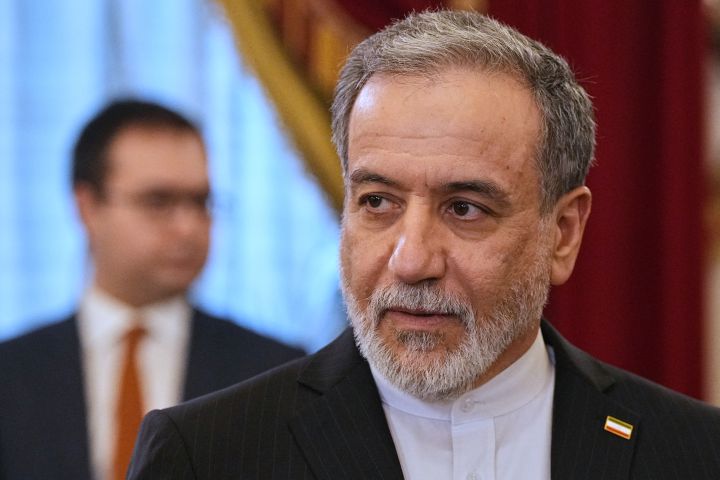
Iranian Foreign Minister Abbas Araghchi has stated that a “deep mistrust” continues to define Tehran’s diplomatic relationship with the United States, casting doubt on the prospect of immediate bilateral negotiations. Speaking during a series of high-level diplomatic meetings, Araghchi emphasized that while Iran remains open to dialogue, the historical lack of confidence in Washington’s policy consistency remains a primary barrier to progress.
The remarks come amid a period of heightened regional volatility and shifting alliances in the Middle East. According to reporting from the Associated Press, Araghchi’s comments reflect a long-standing Iranian position that U.S. commitments, particularly regarding the 2015 Joint Comprehensive Plan of Action (JCPOA), were rendered unreliable after the 2018 U.S. withdrawal under the Trump administration.
Historical Context of Diplomatic Stagnation
The “deep mistrust” cited by the Iranian foreign minister is rooted in the collapse of the 2015 nuclear deal. The agreement, which provided Iran with sanctions relief in exchange for verified curbs on its nuclear program, faced significant turbulence when the U.S. reimposed extensive economic sanctions. This decision, detailed by the U.S. Department of State, remains the central point of contention in modern Iranian foreign policy.
For Tehran, the U.S. withdrawal demonstrated that domestic political shifts in Washington could unilaterally dismantle international treaties. Araghchi, a veteran diplomat who previously served as a senior negotiator during the JCPOA talks, has frequently argued that any future framework would require ironclad guarantees that the U.S. cannot simply exit at will. This skepticism is not merely rhetoric but a fundamental pillar of the current Iranian administration’s strategic stance on international engagement.
Regional Alliances and Strategic Balancing
Recent diplomatic activity has seen Tehran strengthening ties with other global powers, most notably Russia. During recent discussions, including meetings held in Moscow, Iranian officials have sought to highlight the importance of “strategic cooperation” with partners who offer an alternative to Western-led financial and political systems. This pivot is often interpreted by analysts as an attempt by Tehran to mitigate the impact of ongoing international sanctions.
According to the Council on Foreign Relations, the partnership between Tehran and Moscow has deepened significantly since 2022, encompassing defense, energy, and intelligence sharing. By leaning into these relationships, Iran signals to Washington that it is not isolated, thereby increasing its leverage in any potential future negotiations regarding its regional influence or nuclear development.
The Impact of U.S. Sanctions on Diplomacy
The economic pressure placed on Iran through the “maximum pressure” campaign and subsequent enforcement measures continues to be the primary friction point. The U.S. Treasury Department maintains that these sanctions are necessary to curb Iran’s regional activities and ballistic missile program. Conversely, Iranian officials maintain that these measures are a form of economic warfare that renders good-faith negotiations impossible.
The current diplomatic impasse suggests that both parties are operating under a “wait and see” approach. With the U.S. political cycle in a transition period and Iran navigating internal economic challenges, neither side appears willing to offer the significant concessions that would be required to rebuild the trust necessary for a new, stable diplomatic framework.
What Happens Next?
The immediate future of Iran-U.S. relations remains tied to several upcoming variables:
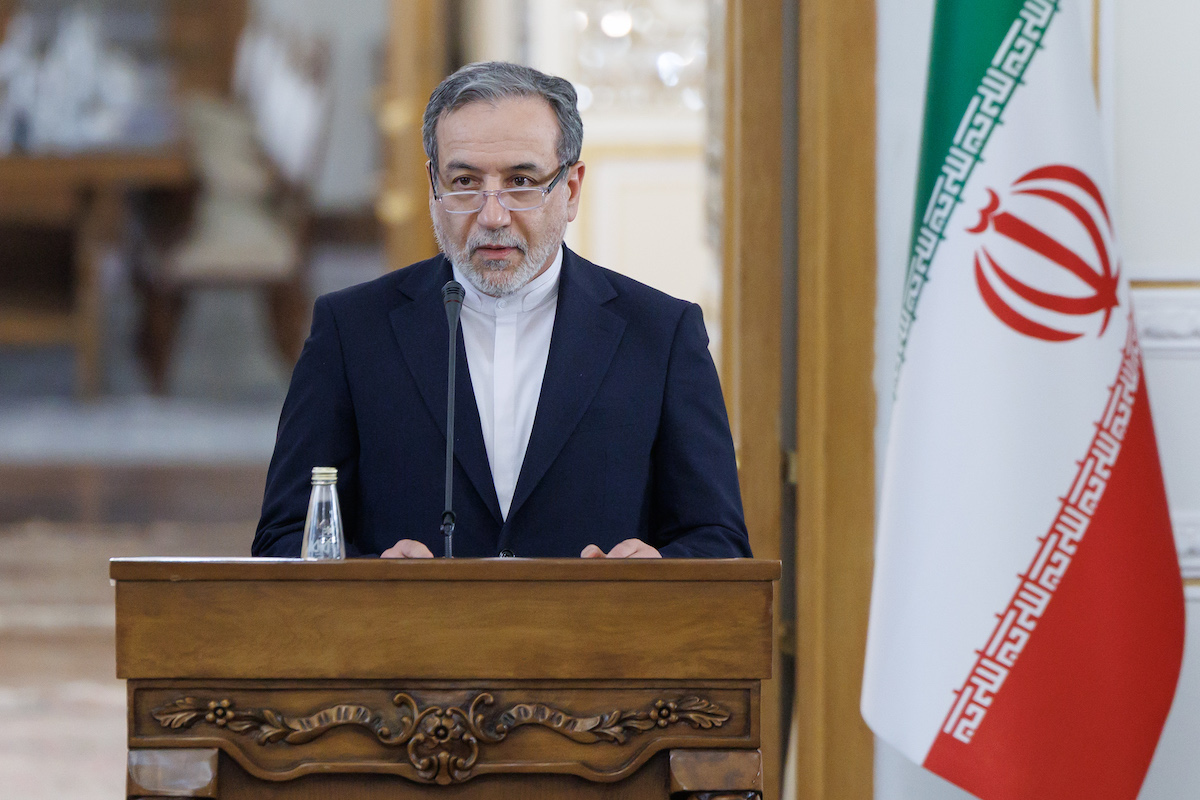
- The trajectory of the U.S. presidential election outcomes and the potential for a shift in Middle East policy.
- The ongoing monitoring by the International Atomic Energy Agency (IAEA) regarding Iran’s uranium enrichment levels, which provides the technical baseline for all diplomatic discussions.
- Potential indirect talks, often facilitated by regional mediators such as Qatar or Oman, which have historically served as backchannels when direct communication is stalled.
As of October 2024, there is no scheduled date for a formal resumption of direct nuclear or diplomatic talks between Washington and Tehran. Observers are closely monitoring official statements from the Iranian Ministry of Foreign Affairs for any shifts in tone that might indicate a softening of the current stance. We encourage readers to check back for updates on this developing story as more information becomes available through official diplomatic channels.
Worth a look
- Rick Wilson Warns GOP: Midterm Elections Could Be a ‘Major Wake-Up Call’ for Trump and MAGA
- Brent Crude Surges Past $82 Amid Middle East Tensions and Strait of Hormuz Concerns
- NASA Chief Visits Baikonur as Soyuz MS-29 Launches US-Russian Crew to ISS (time.news)
- US Naval Blockade Stalls Iranian Oil Exports at Kharg Island (archyworldys.com)