Israelis Denounce Trump’s Iran Deal: Why Netanyahu’s Strategy Faces New Challenges
Former US President Donald Trump’s reported agreement with Iran to halt hostilities in exchange for sanctions relief has triggered sharp criticism in Israel, where officials and analysts warn the deal could embolden Tehran and undermine Benjamin Netanyahu’s hardline stance on regional security. The potential accord, first reported by Reuters and The New York Times, comes as Israel remains locked in a military campaign against Hamas in Gaza and faces rising tensions with Hezbollah along its northern border.
The Israeli government, led by Netanyahu, has long opposed any concessions to Iran, viewing the Islamic Republic as its primary regional adversary. Opposition leaders and security experts in Israel have publicly condemned the reported deal, arguing it would reward Iranian aggression without securing lasting peace. Meanwhile, Netanyahu’s coalition partners—particularly far-right factions—have intensified pressure on the prime minister to reject any agreement perceived as weakening Israel’s military posture.
This developing story raises critical questions: How will Israel respond to a US-Iran deal it opposes? What are the implications for Israel’s security and its relationship with Washington? And could this agreement force Netanyahu to reconsider his Iran strategy—or risk political fallout at home?
Key Developments
- Trump’s reported deal: A framework to halt US-Iran hostilities in exchange for sanctions relief, first disclosed by Reuters and The New York Times.
- Israeli opposition: Netanyahu’s government and security officials have condemned the agreement, calling it a threat to regional stability.
- Political pressure: Netanyahu’s coalition faces internal divisions, with hardline factions demanding a tougher stance against Iran.
- Regional implications: The deal could reshape Israel’s military strategy, particularly in Lebanon and Gaza, where Iran-backed groups remain active.
- US-Israel tensions: The agreement risks deepening a rift between Washington and Jerusalem over Iran policy.
- Next steps: Formal negotiations are expected, with Israel likely to lobby against the deal in Washington and Brussels.
Why Israel Opposes the Trump-Iran Deal
Israel’s opposition to the reported Trump-Iran deal stems from decades of strategic concern over Tehran’s nuclear ambitions, regional influence, and support for militant groups like Hamas and Hezbollah. According to The Financial Times, Israeli officials have privately warned that any sanctions relief for Iran would free up resources for its military and proxy networks, including in Syria, Yemen, and Gaza.
“This deal is a strategic mistake,” said Yair Lapid, Israel’s former prime minister and current opposition leader, in a statement to The Times of Israel. “Iran has violated every agreement it has ever signed. Why would this one be different?” Lapid’s remarks reflect a broader Israeli consensus that Iran cannot be trusted to honor any pact.
Netanyahu himself has framed Iran as an existential threat, frequently warning that a nuclear-armed Tehran would pose an “immediate danger” to Israel. In a Jerusalem Post op-ed last month, he argued that “any deal with Iran must include verifiable dismantling of its nuclear program—not just pauses in hostilities.” The reported Trump agreement makes no mention of Iran’s nuclear activities, a key sticking point for Jerusalem.
| Issue | Israel’s Position | Reported US Position (Trump) |
|---|---|---|
| Iran’s Nuclear Program | Demands full dismantling; opposes any sanctions relief without verification. | No explicit mention of nuclear issues in reported deal; focuses on halting hostilities. |
| Sanctions Relief | Strongly opposes; fears funds will go to military/proxy groups. | Included in exchange for ceasefire, per reports. |
| Regional Stability | Views Iran as primary threat; seeks to contain its influence. | Aims to reduce US-Iran tensions to focus on other conflicts (e.g., Ukraine). |
| Hezbollah & Hamas | Demands Iran cut support for militant groups; opposes ceasefires without concessions. | No direct references to proxy groups in reported framework. |
| Military Escalation | Prepares for potential strikes on Iranian assets if deal proceeds. | Seeks to avoid direct US-Iran conflict; prefers diplomatic pause. |
Netanyahu’s Political Dilemma
For Netanyahu, the reported deal presents a political tightrope. His government is already facing protests over its handling of the Gaza war, and any perception of weakness toward Iran could further erode public support. Hardline coalition partners, including Itamar Ben-Gvir (National Security Minister) and Bezalel Smotrich (Finance Minister), have vowed to oppose any agreement with Iran, calling it a “betrayal” of Israel’s security interests.
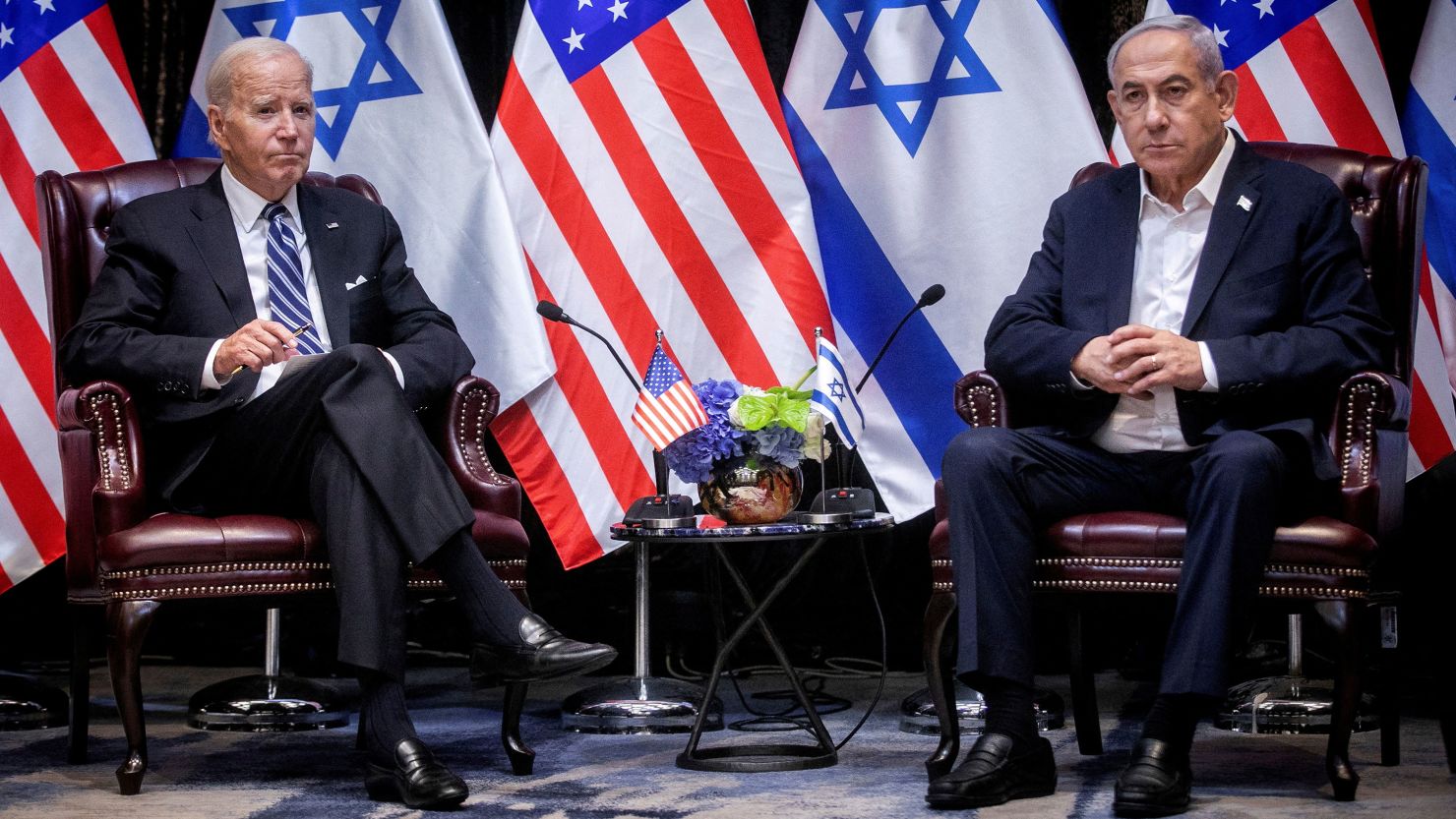
“Netanyahu cannot afford to be seen as caving to Iran or the US,” said Dr. Eitan Shamir, a senior fellow at the Institute for National Security Studies in Tel Aviv. “His coalition is already fracturing, and this deal could push him over the edge.” Shamir noted that Netanyahu’s approval ratings have plummeted amid the Gaza war, making domestic politics a critical factor in his response.
Meanwhile, Israel’s military has reportedly prepared contingency plans for potential strikes on Iranian targets if the deal moves forward. According to Haaretz, the Israel Defense Forces (IDF) have held exercises targeting Iranian Revolutionary Guard Corps (IRGC) facilities in Syria and Iraq, signaling a willingness to escalate if necessary.
What Happens Next: Israel’s Moves and the US Response
The next 72 hours will be critical as both Israel and the US assess their options. Here’s what to watch:
1. Israel’s Diplomatic Offensive
Israel is expected to launch a multi-pronged lobbying effort to block the deal. According to Politico, Jerusalem has already contacted EU officials, urging them to oppose any sanctions relief for Iran. The Israeli Foreign Ministry has also scheduled emergency meetings with US allies, including Germany and France, to coordinate a united front.
Netanyahu is likely to raise the issue during his upcoming call with US President Joe Biden, who has not publicly endorsed the reported deal. A White House spokesperson told Reuters that Biden is “not aware of any formal negotiations” and that any agreement would require “rigorous verification.”
2. Potential Military Escalation
If the deal proceeds without Israeli concessions, Jerusalem may take unilateral action. Sources close to the IDF have told Ynet that Israel could target Iranian nuclear facilities in Syria or disrupt IRGC supply lines in Iraq. Such moves would risk drawing Iran into direct conflict with Israel, potentially dragging the US into the region.
“Israel’s red line is clear: no nuclear capability for Iran,” said Colonel (ret.) Roni Danino, a former military intelligence officer. “If Trump’s deal doesn’t address that, Israel will act alone.”
3. US Domestic Politics
The deal’s timing—with the US presidential election looming—adds another layer of complexity. Trump’s announcement comes as he seeks to regain the Republican base, which has largely supported his hardline stance on Iran. However, some GOP lawmakers, including Senator Lindsey Graham, have criticized the deal as premature.
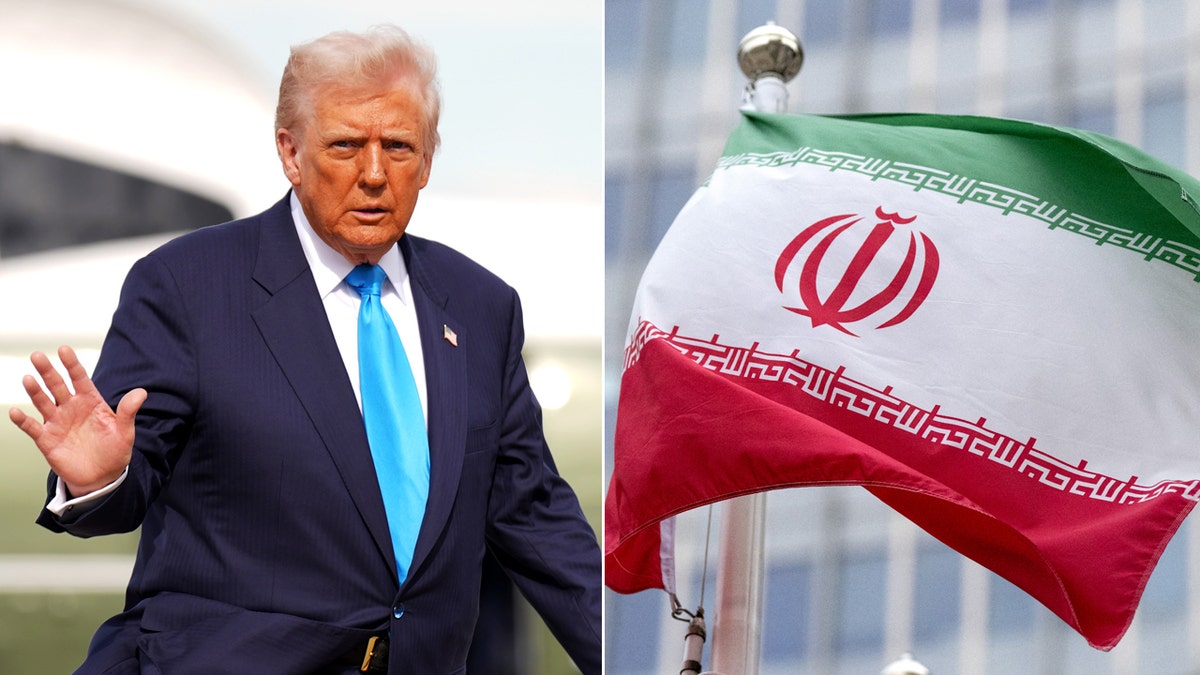
Biden, meanwhile, faces pressure from progressive Democrats who argue the US should not engage with Iran without stronger guarantees. A Brookings Institution analysis suggests that any deal would require bipartisan support in Congress to avoid being overturned by a future administration.
Why This Deal Matters: The Broader Regional Impact
The reported Trump-Iran deal is more than a bilateral agreement—it has ripple effects across the Middle East. Here’s how:
1. Lebanon and Hezbollah
Israel has long warned that any US-Iran rapprochement could embolden Hezbollah, the Iran-backed militant group controlling southern Lebanon. With tensions already high along the Israel-Lebanon border, a deal could lead to increased rocket attacks or even a full-scale conflict. According to Al Jazeera, Hezbollah has already begun mobilizing forces near the Blue Line, the demarcation between Israel and Lebanon.
Netanyahu has ruled out withdrawing Israeli forces from southern Lebanon, where they maintain a buffer zone against Hezbollah. “We will not leave an inch of occupied land,” he told reporters last week, a statement that underscores Israel’s determination to maintain its military posture in the region.
2. Gaza and the Hamas War
The deal could also impact Israel’s ongoing war in Gaza, where Hamas—another Iranian ally—remains a major player. If Iran perceives the US as weakening its stance, it may increase support for Hamas, prolonging the conflict. Analysts at The Washington Institute warn that a deal could lead to a “proxy war” in Gaza, with Iran funding Hamas to resist Israeli operations.
3. Saudi Arabia and the Abraham Accords
Saudi Arabia, which has been cautiously engaging with the US, may view the deal as a signal that Washington is prioritizing Iran over Gulf security. Riyadh has historically opposed any normalization with Iran, and the reported agreement could undermine US efforts to revive the Abraham Accords, the normalization deals between Israel and Arab states. A Bloomberg report suggests Saudi officials have privately expressed concerns to US diplomats.
What’s Next: Key Checkpoints
The next critical developments will likely unfold over the coming days:
- May 21–22: Emergency meetings between Israel, the US, and EU allies to discuss the deal’s implications.
- May 23: Expected call between Netanyahu and Biden to coordinate responses.
- May 24: Potential IDF exercises targeting Iranian assets in Syria/Iraq if the deal advances.
- May 25–26: US Congress may hold hearings on the deal’s legality and implications.
- June 1: Deadline for Iran to respond to US demands, per some reports.
For real-time updates, monitor:
- Reuters Middle East
- The Times of Israel
- Haaretz
- US State Department Briefings
- Israeli Foreign Ministry Statements
Frequently Asked Questions
1. What is the reported Trump-Iran deal?
According to Reuters and The New York Times, the deal outlines a framework to halt US-Iran hostilities in exchange for sanctions relief, without addressing Iran’s nuclear program or support for militant groups.
2. Why does Israel oppose it?
Israel views Iran as its primary regional threat, particularly due to its nuclear ambitions and support for Hamas and Hezbollah. The deal’s lack of nuclear provisions and potential sanctions relief for Iran directly contradicts Israel’s security strategy.
3. Could Israel attack Iran if the deal goes through?
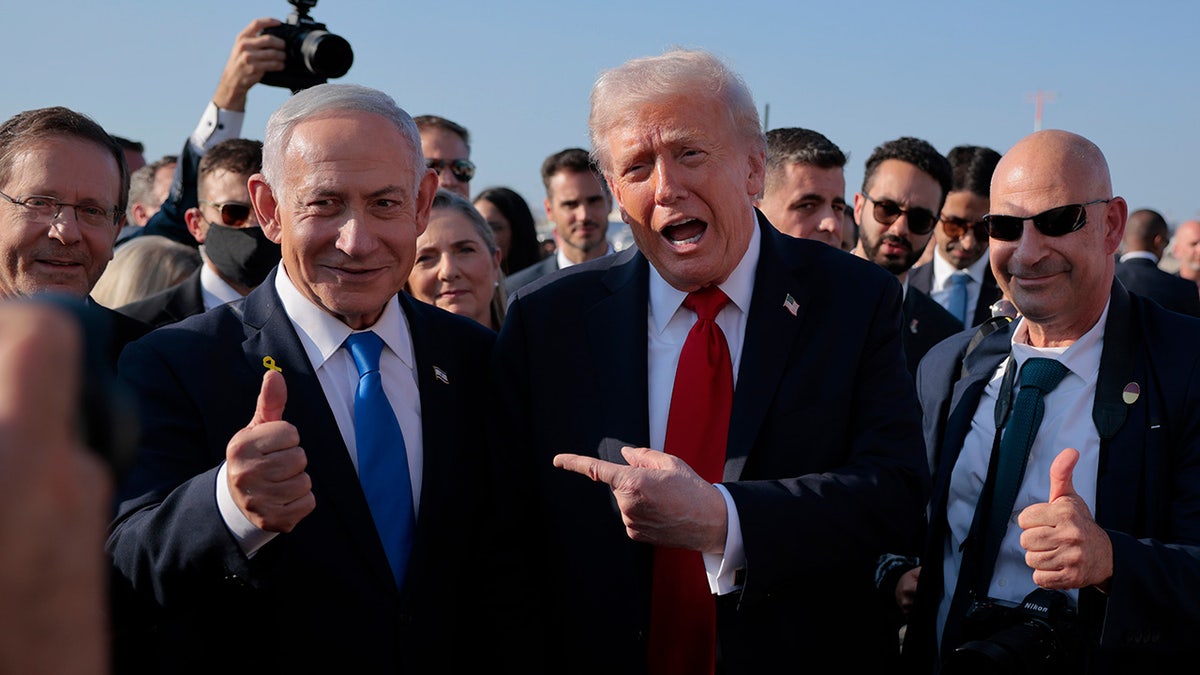
Israel has prepared contingency plans for strikes on Iranian targets, including nuclear facilities in Syria. However, such action would risk escalating into a broader regional conflict, potentially involving the US.
4. What is Netanyahu’s political risk?
Netanyahu’s coalition is already fragile, and opposition to the deal could split his government. Hardline partners like Ben-Gvir and Smotrich have threatened to resign if Netanyahu appears to weaken Israel’s stance on Iran.
5. How could this affect the Gaza war?
A US-Iran deal could embolden Hamas, leading to prolonged conflict in Gaza. Iran may increase funding and weapons supplies to Hamas, making it harder for Israel to achieve its military objectives.
6. What happens if the US Congress opposes the deal?
Any agreement would require congressional approval to avoid being overturned by a future administration. Progressive Democrats and some Republicans may block the deal, forcing negotiations to restart.
This story is evolving rapidly. For live updates, follow World Today Journal and share your thoughts in the comments below. Have questions about how this deal could impact global security? Let us know—we’ll address the most pressing concerns in a follow-up analysis.