Kurds in Iran Navigate a Complex Path Amidst Regional Tensions
The escalating conflict in the Middle East is casting a long shadow over the Kurdish population in Iran, a minority group increasingly caught between regional powers and its own aspirations for greater autonomy. As tensions between Iran and the United States, alongside Israel, continue to rise, the role of Kurdish groups within Iran and neighboring Iraq is becoming a focal point. Recent reports indicate a shifting dynamic, with the Trump administration exploring potential alliances with Kurdish factions to exert pressure on Tehran, though the White House has expressed concerns about the safety of these groups. This delicate situation is further complicated by the involvement of other regional actors, including Turkey and the internal dynamics within the Kurdish movement itself.
The potential for Kurdish involvement in a wider conflict is not new. For decades, Kurdish groups have sought greater political and cultural rights within Iran, often facing repression from the central government. The current geopolitical climate presents both opportunities and risks for these groups. While some see a chance to advance their goals amidst the chaos, others fear being used as pawns in a larger power struggle. The recent communications between U.S. Officials and Kurdish leaders, as reported by multiple news outlets, highlight the complex calculations at play. The question of whether to collaborate with external powers, given a history of shifting allegiances and perceived betrayals, is a central dilemma for Kurdish factions.
The situation is particularly sensitive in the Kurdistan Region of Iraq, where several Kurdish militant groups maintain a presence. These groups, some of which have close ties to Kurdish communities within Iran, are being approached by both the U.S. And Iran, each seeking to influence their actions. The potential for cross-border operations and the risk of escalating violence are significant concerns for both Baghdad and Erbil, the capitals of Iraq and the Kurdistan Region, respectively. The delicate balance between supporting Kurdish aspirations and preventing a wider regional conflict is a challenge that policymakers are grappling with.
The Pjak and the Pursuit of Autonomy
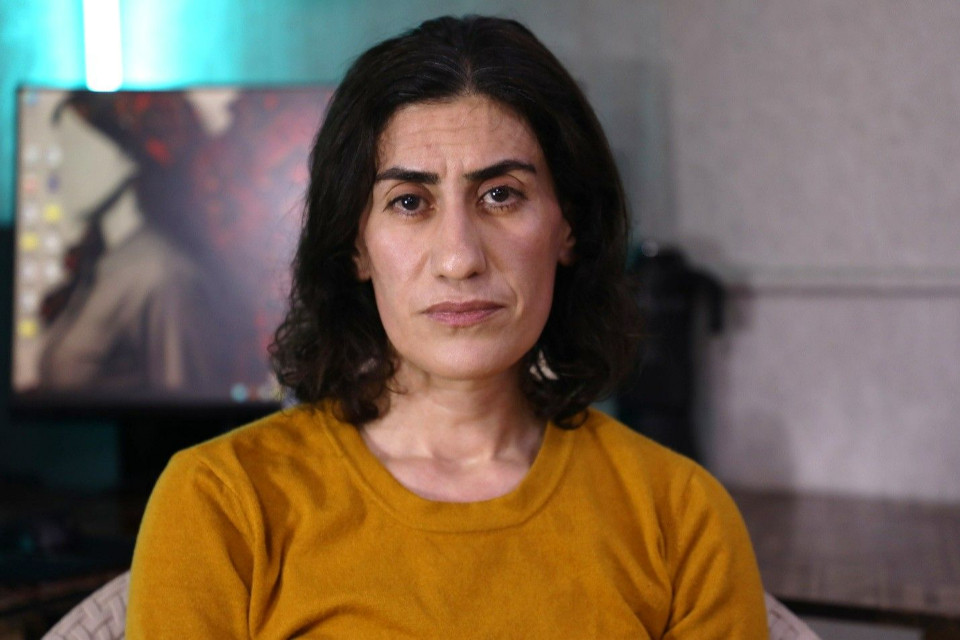
At the heart of this complex situation is the Partiya Karkerên Azadî ya Kurdistan (Pjak), or the Kurdistan Freedom Party, one of several Kurdish militant groups operating in the region. According to reports, Pjak was founded in 2004 and draws ideological inspiration from the Kurdistan Workers’ Party (PKK), a Kurdish militant group that has waged a decades-long insurgency in Turkey. Pjak’s stated goal is the overthrow of the Iranian regime and the establishment of self-determination for the Kurdish minority. Gulavîj Orîn, a spokesperson for Pjak, recently stated that the group is prepared to act independently, asserting their ability to operate as a guerrilla force within Iran and maintain secure bases in the Kurdistan Region of Iraq, including a network of tunnels for protection.
In an interview, Orîn emphasized that Pjak’s actions are not dependent on the approval of external powers like Israel or the United States. “We have been at war with the Iranian regime for years,” Orîn stated, adding that the decision to intervene will be made by Pjak and its Kurdish allies. This assertion underscores a desire for autonomy and a rejection of being perceived as a proxy force in a larger geopolitical game. But, Orîn acknowledged that Pjak maintains diplomatic communication with various actors, viewing it as a natural right. The group identifies itself as the “Third Line,” positioning itself as distinct from both the U.S.-Israel alliance and the Iranian regime, advocating for a democratic republic in Iran free from racism, nationalism, and religious fundamentalism.
Navigating External Alliances and Historical Mistrust
The history of U.S. Involvement in the region, particularly concerning the Kurds, is fraught with instances of shifting allegiances and perceived betrayals. From the aftermath of the first Gulf War to the more recent conflicts in Iraq and Syria, Kurdish groups have often found themselves caught between competing interests. This history has understandably fostered a degree of skepticism towards external powers. As Orîn pointed out, the current conflict between the U.S.-Israel and Iran is viewed as a struggle for regional hegemony, and Pjak seeks to avoid being drawn into this power dynamic.
The question of collaboration with the United States remains a sensitive one. While Pjak asserts its independence, the reported contacts with U.S. Officials, including a phone call with a leader of the Patriotic Union of Kurdistan (PUK) where President Trump reportedly asked “Are you with us or with Iran?” suggest a willingness to explore potential alliances. However, Pjak maintains that any intervention will be determined by Kurdish groups themselves. The group’s focus remains on achieving self-determination and establishing a democratic system in Iran, inspired by the “Jin, Jiyan, Azadî” (“Woman, Life, Freedom”) movement that began in 2022 following the death of Mahsa Amini.
The Broader Regional Context and Potential for Escalation
The situation is further complicated by the involvement of other regional actors. Turkey, which views Kurdish groups as a threat to its own national security, has repeatedly warned against any support for Kurdish militants. Israel has also been conducting operations in the region, targeting Iranian-backed proxies and potentially engaging with Kurdish groups in border areas. The potential for these overlapping interests to escalate tensions is significant. The Iranian government has consistently accused the U.S. And Israel of supporting Kurdish separatism, and has responded with increased military activity in Kurdish-populated areas.
The Pjak envisions a future Iran based on democratic principles and the liberation of women, believing that the 2022 protests laid the foundation for a new political order. Orîn stated that while the group faces challenges in gaining recognition within Iranian society due to being labeled as terrorists by the regime, the revolution of 2022 has created a space for dialogue. Pjak believes that the current Iranian regime is on the brink of collapse, citing the expansion of the conflict in the Middle East as a catalyst for change. The group is also actively engaging with other Iranian minority groups, seeking to build a broader coalition for political reform.
Key Takeaways
- Kurdish Autonomy: Kurdish groups in Iran, like Pjak, are seeking greater self-determination and a democratic system free from the current regime.
- U.S. Engagement: The Trump administration has reportedly been in contact with Kurdish leaders, exploring potential alliances to counter Iranian influence.
- Regional Complexity: The situation is complicated by the involvement of multiple actors, including Turkey, Israel, and various Iranian proxy groups.
- Historical Mistrust: Past experiences have created skepticism among Kurdish groups regarding alliances with external powers.
- Internal Dynamics: The Kurdish movement itself is diverse, with varying perspectives on how to achieve its goals.
As the situation in the Middle East continues to evolve, the role of the Kurds in Iran will likely become increasingly important. The coming months will be critical in determining whether a political solution can be found or whether the region will descend further into conflict. The next key development to watch will be the response of the Iranian regime to continued regional pressure and the potential for further escalation of violence in Kurdish-populated areas. Readers are encouraged to follow developments through reputable news sources and engage in constructive dialogue about the future of the region.
Related reading
- RBI Holds Interest Rates Steady Amid Rising Inflation
- Indonesia’s Home Minister Defends Due Process for Corrupt Regional Heads Amid Integrity Push
- WTO: Global Trade Remains Resilient in Q1 2026 Despite Middle East Conflict (newsdirectory3.com)
- Khamenei warns Iranian president Pezeshkian over resignation threats (archyde.com)