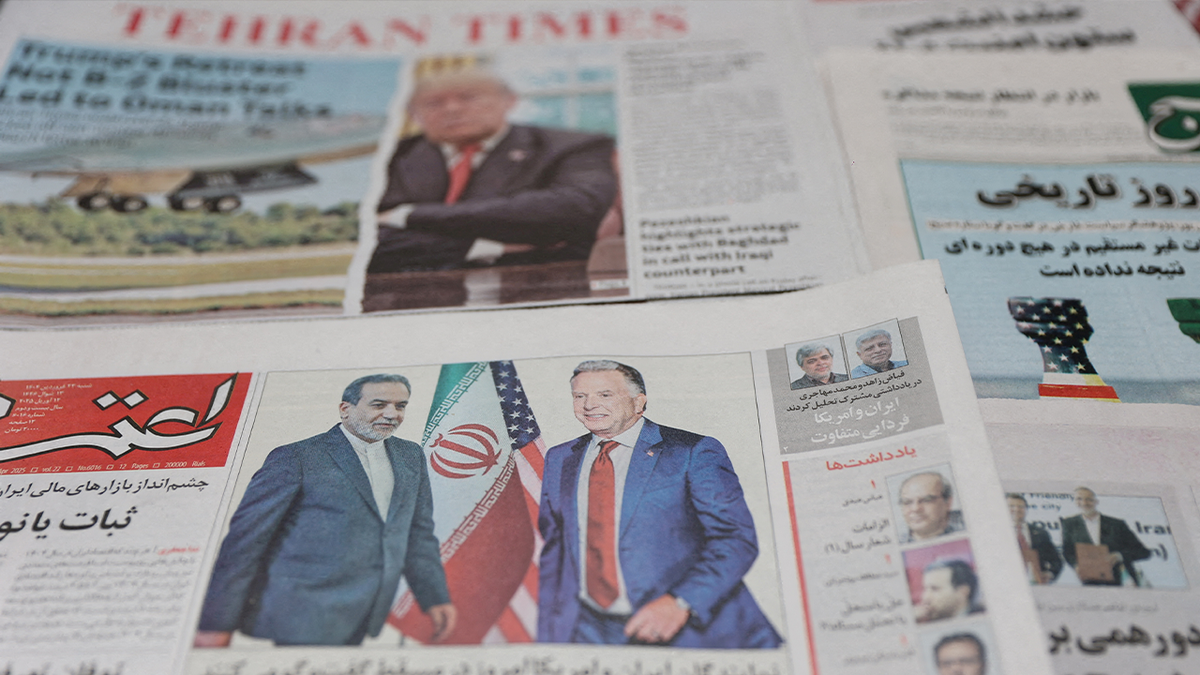
Iranian Foreign Minister Abbas Araghchi arrived in Islamabad on April 20, 2026, to hold talks with Pakistani officials on facilitating a potential second round of indirect negotiations between Iran and the United States, according to a statement released by Pakistan’s Interior Ministry.
The visit comes amid renewed diplomatic efforts to revive stalled discussions over Iran’s nuclear program, which have been inactive since the collapse of the 2015 Joint Comprehensive Plan of Action (JCPOA) in 2018. Pakistani Interior Minister Mohsin Naqvi confirmed that preparations for hosting the second round of Iran-U.S. Talks in Islamabad were complete, with security arrangements finalized for visiting delegations.
Pakistan has positioned itself as a potential intermediary in the Iran-U.S. Dialogue, leveraging its diplomatic ties with both nations. The country previously hosted indirect talks between Tehran and Washington in 2023, though those efforts did not yield a formal agreement.
During his visit, Araghchi met with Naqvi and Pakistan’s Army Chief General Asim Munir to discuss logistical and security frameworks for any future negotiations. The Pakistani Interior Ministry stated that all necessary arrangements had been made to ensure the safety and confidentiality of foreign delegations should talks proceed.
The timing of the Iranian foreign minister’s visit coincides with public comments from former U.S. President Donald Trump, who expressed optimism about reaching a “fair agreement” with Iran during recent remarks. However, Iranian officials have consistently characterized U.S. Actions as “provocations and violations” that hinder diplomatic progress, according to statements carried by Pakistani state media.
Iran’s Foreign Ministry has not officially confirmed plans for a second round of negotiations, though officials acknowledged ongoing diplomatic engagement through intermediaries. Pakistani authorities emphasized their readiness to facilitate dialogue but noted that any decision to resume talks rests solely with Tehran and Washington.
The discussions in Islamabad focus on creating conditions for renewed engagement, including venue security, communication channels, and confidence-building measures. Pakistani officials reiterated their commitment to supporting peaceful resolution of regional tensions through diplomatic channels.
As of April 24, 2026, no formal date has been set for a second round of Iran-U.S. Negotiations. Both countries continue to signal willingness to engage through third-party facilitators, though substantive talks remain pending.
For updates on diplomatic developments between Iran and the United States, readers can follow official statements from the Iranian Ministry of Foreign Affairs and the U.S. State Department.
We welcome your thoughts on this evolving diplomatic situation. Share your perspective in the comments below and assist foster informed discussion on global affairs.
- Ukraine’s Strategic Drone Strikes: Targeting Russia’s Oil Infrastructure and Economy
- France vs. Spain: FIFA World Cup Semifinal Match Details
- Why Is Iran Tensions Worsening With The US Over The Hormuz Strait (world-today-news.com)
- US Implements Naval Blockade on Iran as Trump Drops Strait of Hormuz Toll (newsdirectory3.com)