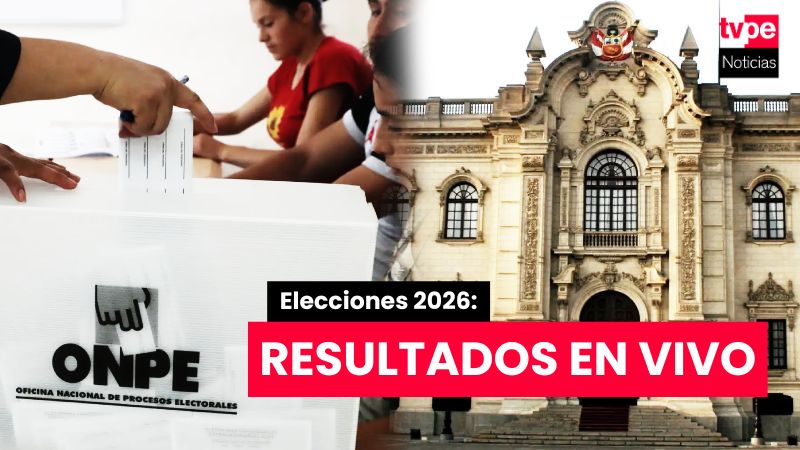
Peru’s National Office of Electoral Processes (ONPE) reported that it had processed 95.027% of ballots from the April 2026 general elections, with official results still pending resolution by the National Elections Jury (JNE) amid ongoing disputes over vote tallies and procedural delays.
The extended vote count has intensified scrutiny of Peru’s electoral institutions, as leading candidates await confirmation of who will advance to a June runoff. Keiko Fujimori of Fuerza Popular maintained a narrow lead in the presidential race, followed closely by Roberto Sánchez of Juntos por el Perú and Rafael López Aliaga of Renovación Popular, according to the latest official tallies.
As of the most recent update, Fujimori received 17.053% of valid votes, Sánchez secured 12.040% and López Aliaga obtained 11.902%, based on nearly complete processing of electoral records. Jorge Nieto and Ricardo Belmont followed in fourth and fifth place, respectively, with over 11% and 10% of the vote.
The ONPE confirmed that it had finished processing all available ballot sheets and was now awaiting the JNE’s review of contested ballots, which number in the dozens according to electoral officials. The delay in finalizing results has drawn criticism from political parties and civil society groups concerned about transparency and the timeline for declaring a runoff.
Electoral authorities have indicated that a formal proclamation of the two candidates advancing to the second round is expected by mid-May, with the runoff vote scheduled for June 7, 2026. Until then, the JNE will continue reviewing challenges to the vote count, including allegations of irregularities raised by several campaigns.
The prolonged tabulation process has highlighted ongoing challenges in Peru’s electoral administration, particularly in the transmission and verification of results from remote polling stations. Both the ONPE and JNE have faced public pressure to accelerate their work while maintaining procedural integrity.
International observers have not yet issued a comprehensive assessment of the 2026 electoral process, though regional bodies have previously emphasized the importance of timely and credible vote counting in maintaining public trust in democratic outcomes.
Peruvian law requires that electoral disputes be resolved through the JNE, which has the authority to order recounts or validate contested results. The body’s deliberations are expected to influence not only the presidential race but also down-ballot contests where margins remain narrow.
Political analysts note that the closeness of the top three candidates has intensified the stakes of any procedural decisions, as even small shifts in vote allocation could alter the runoff matchup. Campaigns have remained active in advocating for their positions, with some calling for faster resolution and others urging caution to ensure accuracy.
The electoral timeline remains governed by the National Elections Jury’s schedule, which has not indicated any changes to the planned June runoff despite the delays in initial tabulation. Voters across Peru continue to await official confirmation of the final results through verified government channels.
For the latest updates on the election process, citizens are directed to consult the official websites of the ONPE and JNE, which provide real-time data on ballot processing and resolution of contested cases.
As Peru navigates this post-election phase, the focus remains on ensuring that the outcome reflects the verified will of voters while upholding the integrity of its democratic institutions.
Stay informed about developments in Peru’s electoral process by following official communications from electoral authorities and sharing verified updates through trusted news sources.