The Strait of Hormuz remains one of the most volatile geopolitical flashpoints on the planet, serving as the primary artery for the world’s energy supplies. While military posturing often dominates the headlines, a deeper, more complex battle is being waged over the legal status of the Strait of Hormuz—a conflict where maritime law and national sovereignty intersect with global economic security.
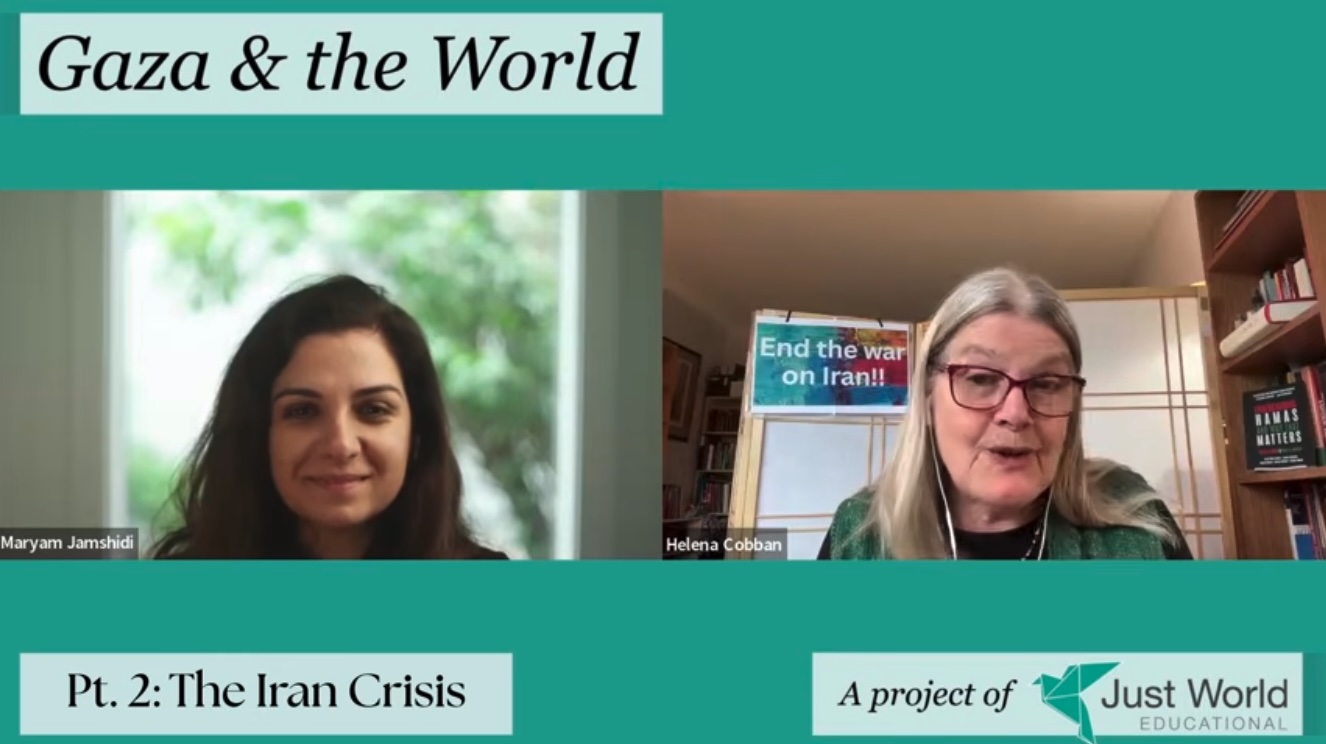
In a detailed analysis of the current crisis, Maryam Jamshidi, an Associate Professor of Law at the University of Colorado, argues that the Strait is not merely a shipping lane but the central instrument of leverage for the Islamic Republic. According to Jamshidi, the dispute is less about the immediate movement of tankers and more about a fundamental clash over the future of Iranian independence and the regional security order.
The tension centers on a critical disagreement over which legal framework governs the passage of vessels through these narrow waters. While the United States and many international partners advocate for an open, unrestricted flow of traffic, Iran asserts a level of regulatory authority that it believes is supported by customary international law. This legal divide creates a precarious environment where a misunderstanding of maritime rights could escalate into a broader global conflict.
For the global community, the stakes extend beyond oil prices. The resolution of this dispute will likely signal whether the international legal order can still mediate conflicts between superpowers and regional states, or if the world is sliding toward a more fragmented, lawless era where power overrides precedent.
The Legal Divide: Transit Passage vs. Innocent Passage
At the heart of the dispute is the distinction between two different regimes of maritime law: “transit passage” and “innocent passage.” This technical difference determines how much control a coastal state can exert over ships passing through its territorial waters.
The “transit passage” regime was established by the 1982 United Nations Convention on the Law of the Sea (UNCLOS). Under transit passage, ships and aircraft are granted the right to pass through straits used for international navigation without interference from the coastal state, provided they proceed without delay and refrain from any threat or use of force. This regime is designed to ensure the unimpeded flow of global commerce and military mobility.
However, Jamshidi points out a critical legal gap: neither the United States nor Iran are full members of UNCLOS. Because Iran has never accepted the transit-passage approach, it relies instead on the “innocent passage” framework, which is rooted in older customary international law.
Innocent passage provides coastal states with significantly greater regulatory authority. Under this framework, passage is considered “innocent” as long as it does not prejudice the peace, good order, or security of the coastal state. This gives the state the ability to regulate traffic more strictly and, in certain circumstances, allow for the collection of fees for specific services. Jamshidi emphasizes that if Iran’s conduct remains within the innocent-passage framework, its actions in the strait may be legally defensible under customary law.
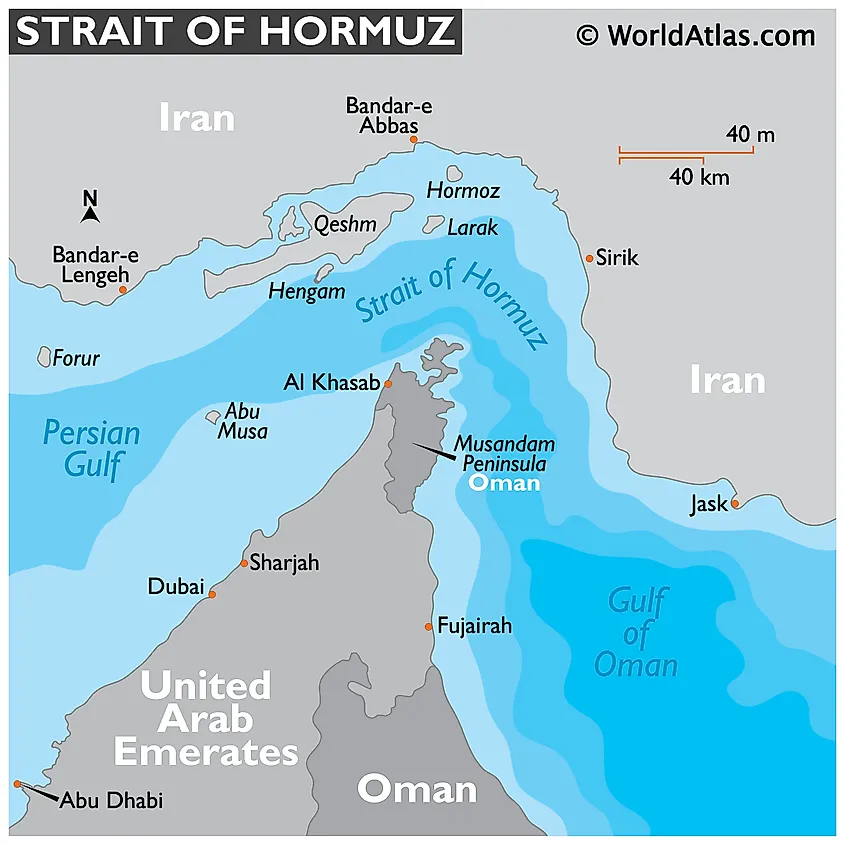
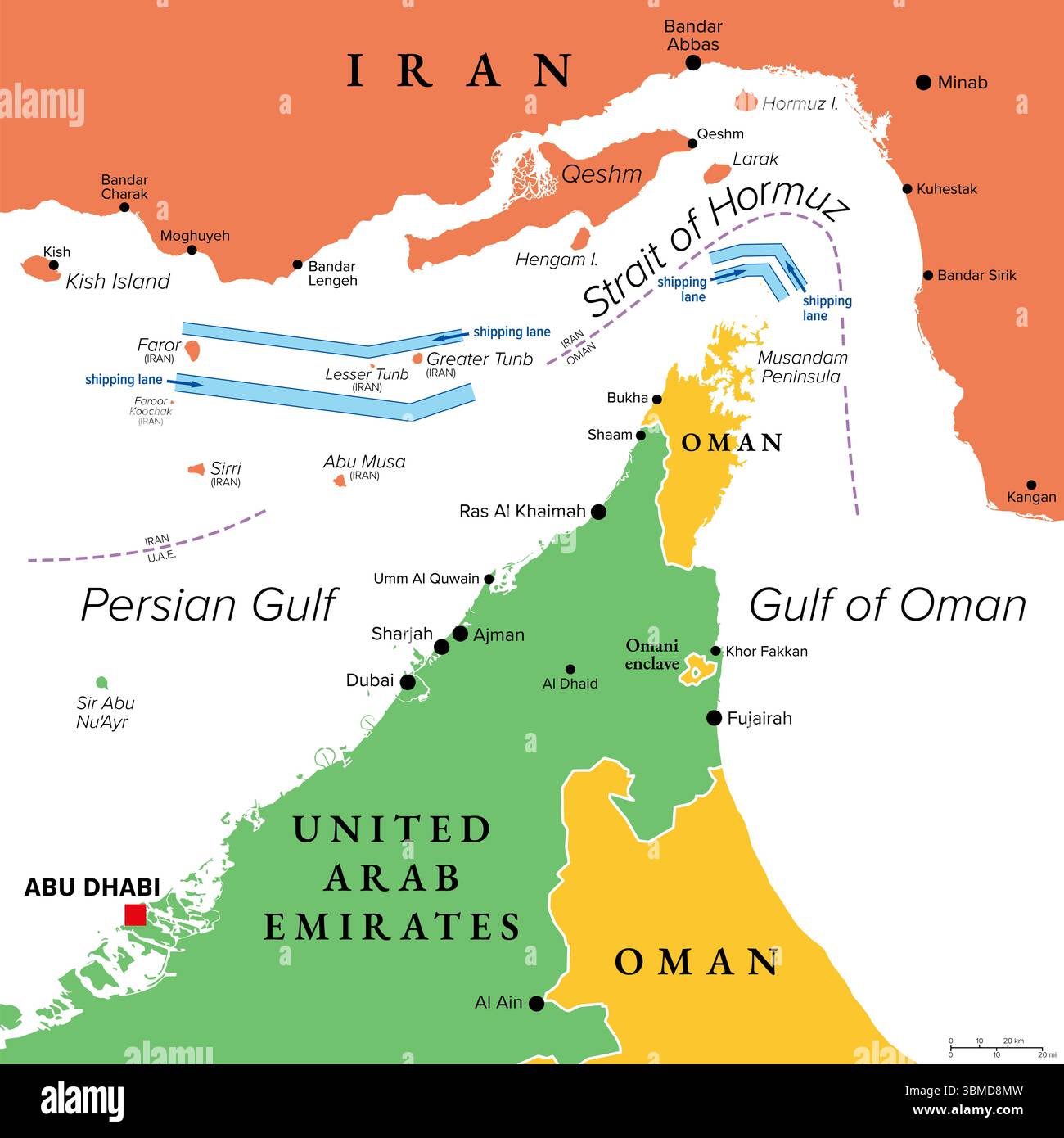
The geography of the region further complicates this legal struggle. The Strait of Hormuz lies entirely within the territorial waters of Iran, and Oman. Crucially, the deepest and most navigable channels—the waters that large tankers must use—are located on the Iranian side, giving Tehran a physical advantage that complements its legal arguments.
Strategic Leverage and the Question of Fees
The ability to regulate the strait provides Iran with significant negotiating power. Jamshidi suggests that the Islamic Republic views the strait as a practical tool for achieving broader political goals, including the removal of U.S. Sanctions, a new regional security arrangement, and limits on the presence of U.S. Military bases in the Middle East.
One of the most contentious issues is the possibility of Iran imposing fees on maritime traffic. While Western powers view the prospect of “taxing” the strait as a potential catalyst for global economic disruption, Jamshidi offers a different perspective by citing historical precedent. She points to the 1937 Montreux Convention, which governs the Turkish Straits.
The Montreux Convention demonstrates that an essential international waterway can operate with a structured fee system without causing a total collapse of global shipping or triggering systemic instability. Jamshidi argues that “the world doesn’t fall apart when an important international strait is now subject to fees,” suggesting that such arrangements could even serve as a route toward reparations or compensation for Iran.
This approach shifts the narrative from one of “piracy” or “blockade” to one of maritime regulation. By framing the fees as a legal right of a coastal state under innocent passage, Iran attempts to legitimize its leverage and force the international community to engage with its security demands on a legal basis rather than a purely military one.
Geopolitical Objectives: Sovereignty vs. Regime Change
Beyond the technicalities of maritime law, the struggle over the Strait of Hormuz is a proxy for a much larger geopolitical conflict. Jamshidi argues that the fundamental disagreement between Washington and Tehran is not merely about nuclear proliferation or shipping lanes, but about the extremely survival of the Islamic Republic.
According to Jamshidi, the public insistence by the United States that Iran must not obtain a nuclear weapon masks a deeper objective. She contends that the underlying goal of U.S. Policy—particularly under the Trump administration—is to bring an end to the Iranian revolution, which she describes as an attempt to end Iranian independence and sovereignty.
Conversely, Iran is operating from a position of preserving and expanding its sovereignty while resisting what it perceives as U.S. Coercion. From Tehran’s perspective, the ability to control the Strait of Hormuz is a tangible success of its strategic resistance. By wielding control over this chokepoint, Iran seeks to force a shift in the global order, moving away from U.S. Hegemony toward a multipolar system where regional powers have a decisive say in their own security architecture.
The UN Security Council and the Risk of Escalation
The role of the United Nations Security Council (UNSC) has become a point of intense criticism in the current crisis. Jamshidi describes the Council’s engagement as “deeply troubling,” arguing that it has often acted in ways that intensify rather than resolve the conflict.
Two specific instances highlight this tension. First, Jamshidi cites a March 11 resolution that condemned Iran but failed to acknowledge the broader context of the U.S.-Israeli military actions that contributed to the crisis. Second, she points to a draft resolution voted on April 7 that would have effectively authorized armed action by UN member states to force the opening of the strait.
Jamshidi describes the April 7 proposal as “very problematic” and potentially disastrous, as it would have used Chapter 7 of the UN Charter—which allows for the use of force—to resolve a dispute over maritime regulation. The resolution was ultimately vetoed by China and Russia, a move that Jamshidi and other observers noted with relief, as it prevented a direct UN-sanctioned military intervention in the strait.
The warning here is clear: when the Security Council is used to override the fundamental rights of a state over its territorial waters, it risks undermining the very international law it is meant to uphold. Jamshidi warns that a new version of similar proposals continues to be pushed at the Council, and if adopted, it could lead to a catastrophic escalation.
The Broader Implications for International Law
The conflict in the Strait of Hormuz is a litmus test for the utility of international law in what some describe as a “lawless era.” There is a prevailing narrative in some Western circles that international law is merely a tool of Western power, designed to be invoked when convenient and ignored when it hinders strategic interests.
Jamshidi rejects this notion, arguing that international law remains a vital shield for the Global South. For states in Africa, Asia, and Latin America, these legal frameworks are often the only available protections against the domination of more powerful nations. By invoking international law, actors such as Iran and Palestine are attempting to assert a baseline of equality and self-determination on the world stage.
The danger, Jamshidi warns, is the total unraveling of these norms. If the world moves toward a system where the strongest simply dictate the rules of the sea and the land, the result will be a “far more terrible, more violent, more destructive world.” The struggle over the Strait of Hormuz is therefore not just a regional dispute, but a battle for the soul of global governance.
As the international community continues to navigate this crisis, the focus must shift from short-term military deterrence to a long-term legal and diplomatic resolution. Understanding the distinction between transit and innocent passage is not just an academic exercise; it is a necessity for anyone seeking to avoid a global catastrophe in the world’s most critical maritime chokepoint.
The next critical checkpoint for the region will be the upcoming deliberations at the UN Security Council regarding maritime security in the Gulf, where the tension between state sovereignty and international navigation rights will once again take center stage.
What do you think about the balance between national sovereignty and international shipping rights? Share your thoughts in the comments below or share this analysis with your network.