
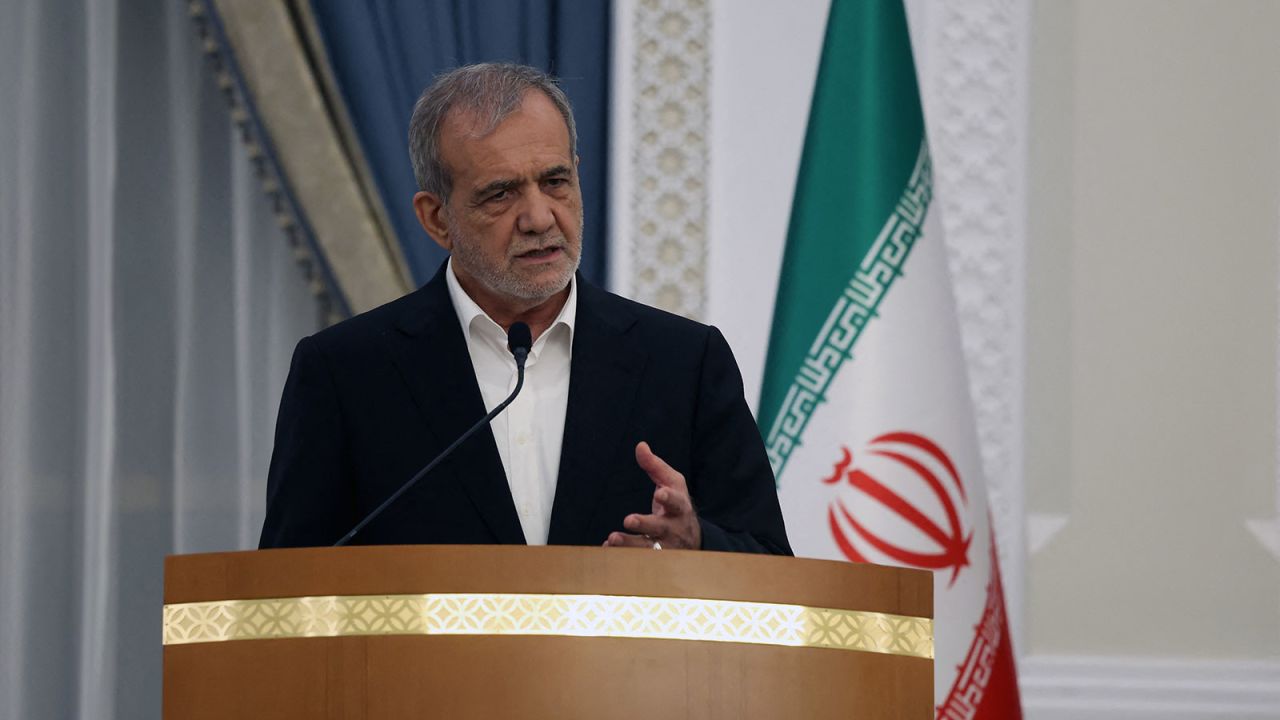
The global community remains on edge this Sunday, April 12, 2026, as a precarious temporary ceasefire holds in West Asia. The current lull in fighting follows weeks of intense volatility during the 2026 Iran war, a conflict that has reshaped geopolitical alliances and sent shockwaves through global energy markets.
The ceasefire, which went into effect on April 8, 2026, comes after a period of unprecedented escalation involving the United States, Israel, and the “Axis of Resistance.” Even as the guns have largely fallen silent, the diplomatic atmosphere remains toxic. Iranian leadership has recently signaled that negotiations for a permanent peace are being stifled by what they describe as a “double standard” in U.S. Foreign policy, suggesting that this perceived hypocrisy remains the primary obstacle to a lasting resolution.
This conflict, which began with coordinated airstrikes on February 28, 2026, has evolved from a targeted military operation into a systemic regional crisis. The stakes extend far beyond the borders of Iran, involving a complex web of belligerents including Hezbollah, the Houthis, and various Popular Mobilization Forces, while impacting the security of nearly every state in the Persian Gulf.
The Genesis of the 2026 Iran War
The hostilities commenced on February 28, 2026, when the United States and Israel launched a series of strategic airstrikes targeting Iranian military and government installations according to documented records of the conflict. These strikes were part of a broader strategy of American expansionism under the administration of Donald Trump, aimed at neutralizing perceived threats within the Iranian state apparatus.
The immediate aftermath of these strikes saw a rapid and violent retaliation. Iran and its regional allies launched counter-attacks against Israel and various U.S. Allies throughout West Asia. The conflict quickly expanded, with Iran striking a wide array of nations, including Bahrain, Iraq, Jordan, Kuwait, Oman, Qatar, Saudi Arabia, and the United Arab Emirates. The reach of the conflict extended even further, with attacks reported in the United Kingdom, specifically targeting Akrotiri and Dhekelia and the British Indian Ocean Territory as detailed in conflict summaries.
The human cost has been significant. While total casualty figures remain fluid, U.S. And Israeli reports indicate that 15 American soldiers have been killed, with at least 538 military personnel sustaining injuries during the opening phases of the war per military loss records.
Political Upheaval and the Rise of Mojtaba Khamenei
One of the most seismic shifts resulting from the conflict has been the decapitation of Iran’s top leadership. The war saw the assassination of high-ranking officials, most notably Supreme Leader Ali Khamenei and Ali Larijani according to verified reports. This vacuum of power led to a rapid transition of authority within the Islamic Republic.

In the wake of these losses, Mojtaba Khamenei was elected as the latest Supreme Leader of Iran. His ascension marks a pivotal moment in the conflict’s trajectory, though reports indicate he has been wounded in action (WIA) during the hostilities per current status updates. The transition of power occurred amidst a broader regional war that has seen the Israel-Hezbollah conflict escalate to levels not seen in previous decades.
Economic Warfare and the Strait of Hormuz
Beyond the kinetic battlefield, the 2026 Iran war has triggered a global economic crisis. Iran successfully established control over the Strait of Hormuz, one of the world’s most critical maritime chokepoints for oil transit. In a move that challenged the dominance of the U.S. Dollar, Iran implemented a toll collection system for oil sold through the strait, requiring payments to be made in Chinese yuan as verified by economic reports.
This strategic maneuver contributed to widespread global economic disruption and a severe fuel crisis. The shift toward the yuan for oil transit represents a significant geopolitical pivot, strengthening the economic ties between Tehran and Beijing while attempting to bypass Western sanctions and financial hegemony.
The impact of these oil market shocks has been monitored closely by international agencies, as the volatility in the Strait of Hormuz directly affects energy prices and supply chain stability for Europe and Asia according to Reuters coverage.
The Fragile Ceasefire and Diplomatic Deadlock
The temporary ceasefire established on April 8, 2026, has provided a momentary reprieve, but the underlying causes of the war remain unresolved. The current diplomatic friction centers on the conduct of negotiations between Tehran and Washington.
Iranian officials have been vocal in their criticism of the United States, claiming that a “double standard” in American diplomacy has been the primary obstacle to meaningful negotiations. From the Iranian perspective, the U.S. Demands concessions while continuing to engage in “expansionism” and supporting airstrikes on sovereign territory. This narrative of hypocrisy is now a central pillar of Iran’s diplomatic stance as they navigate the ceasefire period.
The complexity of the negotiations is further compounded by the involvement of the “Axis of Resistance,” which includes the Houthis in Yemen and the Popular Mobilization Forces (PMF) in Iraq. Any permanent peace agreement would likely require a multi-lateral framework that addresses the security concerns of not only Iran and the U.S. But also Israel and the affected Gulf monarchies.
Summary of Conflict Parameters (February – April 2026)
| Category | Detail |
|---|---|
| Start Date | February 28, 2026 |
| Ceasefire Date | April 8, 2026 |
| Primary Belligerents | USA, Israel vs. Iran, Hezbollah, Houthis, PMF |
| Key Leadership Change | Death of Ali Khamenei; Election of Mojtaba Khamenei |
| Economic Impact | Strait of Hormuz tolls collected in Chinese yuan |
| Confirmed US Losses | 15 soldiers killed |
What Happens Next?
As the world watches the temporary ceasefire, the primary focus remains on whether the parties can move beyond the rhetoric of “double standards” to establish a durable peace. The global economy, still reeling from the fuel crisis, desperately requires a stable resolution in the Strait of Hormuz.
The next critical checkpoint will be the upcoming diplomatic reviews to determine if the ceasefire will be extended or if the parties will return to active hostilities. There are currently no confirmed dates for a formal peace summit, but international observers are monitoring communications between the Trump administration and the new leadership in Tehran.
World Today Journal will continue to provide real-time updates as this situation evolves. We invite our readers to share their perspectives on the regional stability of West Asia in the comments below.