
The global landscape of metabolic health is undergoing a seismic shift, driven by the rapid adoption of what have colloquially become known as weight loss pens. These injectable medications, which include names like Ozempic, Victoza, and Mounjaro, are no longer just tools for diabetes management; they have moved into the center of the conversation regarding obesity and overweight treatment. For many, these medications offer a promising path toward significant weight reduction, but the medical community is issuing critical warnings about the risks of treating obesity as a quick fix rather than a chronic condition.
As a financial journalist who has tracked the intersection of pharmaceutical innovation and economic policy for nearly two decades, I have watched the market for GLP-1 receptor agonists explode. But, the business of weight loss is inextricably linked to medical ethics and public health. The efficacy of these drugs is undeniable, yet their application requires a level of clinical rigor that is often overlooked in the age of viral health trends. The transition from a prescription-based medical necessity to a lifestyle commodity creates a dangerous gap in patient safety and long-term health outcomes.
The core of the issue lies in the misunderstanding of how these medications function and what they are intended to achieve. Specialists emphasize that weight loss pens are not “magic” solutions but pharmacological interventions that must be integrated into a comprehensive lifestyle overhaul. Without a foundation of nutritional balance and physical activity, the biological advantages provided by these drugs can be temporary, leaving patients vulnerable to weight regain and metabolic instability.
The Biological Mechanism: How Weight Loss Pens Function
To understand the warnings from specialists, one must first understand the science. Weight loss pens primarily utilize agonists of the GLP-1 (glucagon-like peptide-1) receptor. Medications such as semaglutide and liraglutide mimic these natural hormones to influence several bodily functions simultaneously. According to medical data, these agents work by reducing the speed of food digestion and slowing gastric emptying, which effectively increases the amount of time food remains in the stomach tuasaude.com.
This slowing of the gastrointestinal tract leads to a heightened sensation of satiety, meaning the user feels full faster and for longer, which naturally decreases overall appetite. Beyond the stomach, these medications play a critical role in glucose regulation. They stimulate the pancreas to release insulin and reduce the amount of glucose produced by the liver, thereby maintaining a more stable balance of blood sugar levels tuasaude.com.
Some of the newer iterations of these treatments, such as tirzepatide, travel a step further. These are dual agonists, targeting both the GLP-1 receptor and the GIP (glucose-dependent insulinotropic polypeptide) receptor. By potentiating the effects of both hormones, these medications can further enhance weight loss and metabolic control, representing a more aggressive approach to treating obesity tuasaude.com.
Critical Warnings: The Necessity of Clinical Supervision
Despite the impressive results seen in clinical settings, specialists are adamant that weight loss pens must never be used without the direct indication and monitoring of an endocrinologist. The apply of these drugs is indicated specifically for cases of obesity or overweight, and the process requires regular medical consultations to track weight loss progress and evaluate the emergence of side effects tuasaude.com.
A primary concern among health professionals is the tendency for users to view these injections as a replacement for healthy habits. Medical guidance specifies that the use of GLP-1 agonists must be associated with a balanced diet and the practice of regular physical exercise tuasaude.com. When the medication is used in a vacuum—without lifestyle changes—the patient fails to build the sustainable habits necessary to maintain their health once the treatment ends.
there is a critical distinction between controlling a condition and curing it. Specialists warn that while weight loss pens control obesity with high efficiency, they do not cure it oglobo.globo.com. This means that for many, the medication may need to be a long-term commitment, and the prospect of interrupting or stopping the treatment can lead to significant challenges in weight management.
The Economic Shift: Patents, Access, and Public Policy
From a business and policy perspective, the accessibility of these drugs is reaching a turning point. A significant event occurred in Brazil, where the patent for semaglutide—the active ingredient in Ozempic and Wegovy—expired on March 20, 2026 bbc.com. The end of exclusivity for the pharmaceutical giant Novo Nordisk opens the door for other companies to develop generic versions of the compound.
While this patent expiration paves the way for increased competition and a potential reduction in prices, the transition is not immediate. Regulatory and industrial hurdles mean that cheaper alternatives may take time to reach the market bbc.com. Nonetheless, the shift is already impacting public health policy. Rio de Janeiro has become the first Brazilian city to offer Ozempic through the Sistema Único de Saúde (SUS), marking an unprecedented step in the public fight against obesity bbc.com.
However, this expansion into public health has sparked political debate. Brazilian President Luiz Inácio Lula da Silva has expressed caution regarding the widespread distribution of the drug, stating that it should not be a “prize for those who are relaxed” but rather a tool for those who, due to health necessity, cannot lose weight through other means bbc.com. His stance underscores the tension between pharmaceutical intervention and the fundamental need for physical activity and behavioral change.
The Long-Term Reality: Maintenance and Weight Regain
One of the most pressing questions for patients is whether they will be required to use weight loss pens for the rest of their lives. The data suggests a challenging road for those who discontinue treatment. Research indicates that only 45% of users maintain their weight loss one year after stopping the medications oglobo.globo.com.
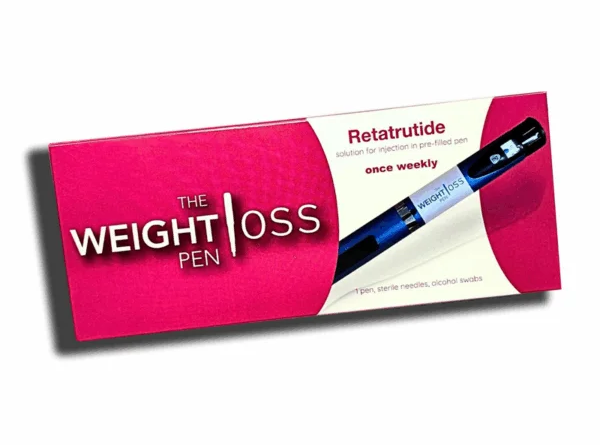
This statistic highlights the “rebound” effect that occurs when the pharmacological support for appetite suppression and insulin regulation is removed. For the 55% who regain weight, the struggle is often a result of not having established the necessary lifestyle frameworks during their time on the medication. This reinforces the specialist warning that the “pen” is a tool to facilitate a transition to a healthier life, not the destination itself.
Key Takeaways for Prospective Users
- Medical Oversight: Never start GLP-1 treatments without an endocrinologist’s prescription and regular follow-up appointments.
- Not a Standalone Cure: These medications control obesity symptoms but do not cure the underlying condition; they must be paired with diet and exercise.
- Biological Action: The drugs work by slowing gastric emptying, increasing satiety, and regulating blood sugar and insulin.
- Sustainability Risks: Only about 45% of users maintain their weight loss a year after stopping the medication, emphasizing the need for permanent lifestyle changes.
- Market Evolution: The expiration of key patents, such as semaglutide’s on March 20, 2026, may eventually lead to more affordable generic options.
As we move forward, the integration of these powerful tools into public health systems and private care will require a delicate balance. The economic potential for generic manufacturers is vast, but the medical risk of unsupervised use is equally significant. The goal must be to treat obesity as the complex, chronic disease it is, using pharmacology to open a window of opportunity for lasting behavioral change.
The next critical checkpoint for the industry will be the entry of the first generic semaglutide versions into the Brazilian market following the recent patent expiry. This will likely serve as a bellwether for how other nations manage the cost and distribution of obesity medications in the public sector.
Do you believe the integration of weight loss medications into public health systems is a sustainable strategy for combating obesity? Share your thoughts in the comments below.
Keep reading