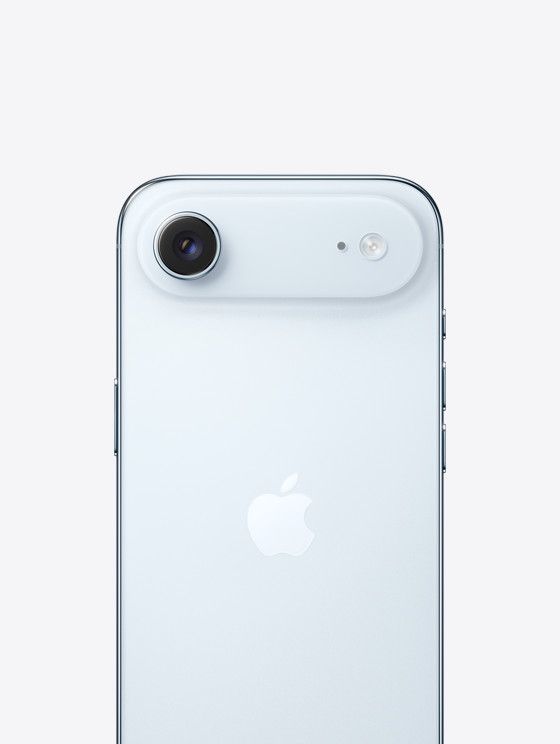
The luxury smartphone market is seeing a significant shift in accessibility as the iPhone Air now available at its lowest price through a combination of aggressive trade-in incentives and flexible financing options. For consumers who have been eyeing Apple’s most ambitious design experiment—a device that prioritizes an ultra-slim profile without sacrificing professional-grade power—the barrier to entry has dropped considerably.
Positioned as the thinnest iPhone ever produced, the iPhone Air represents a strategic pivot for Apple, blending the high-end performance of the Pro line with a chassis designed for maximum portability. By leveraging trade-in programs that offer substantial credits for older hardware, the company is effectively lowering the cost of ownership for a wide demographic of global users.
The device is currently available through major retailers including Apple, Best Buy, and AT&T, with various carriers offering tailored deals to incentivize the switch to the recent ultra-lightweight hardware.
Financial Accessibility and Trade-In Incentives
The current pricing strategy for the iPhone Air focuses heavily on the circular economy. Apple is currently offering trade-in credits ranging from $35 to $685 for users who trade in an iPhone 8 or newer . This approach allows users to offset a significant portion of the upfront cost, making the high-end hardware more attainable for those upgrading from older generations.
To further reduce the immediate financial burden, 0% financing options are available, allowing consumers to spread the cost of the device over time without incurring interest charges . This combination of trade-in value and interest-free payments is a key driver in bringing the iPhone Air to its lowest effective price point since launch.
Engineering the Thinnest iPhone: Specs and Design
The iPhone Air is defined by its dimensions, measuring 6.15 x 2.94 x 0.22 inches and weighing only 5.82 ounces . This drastic reduction in thickness is paired with a durable build, featuring a Ceramic Shield on both the front and back to maintain structural integrity despite the slim profile .
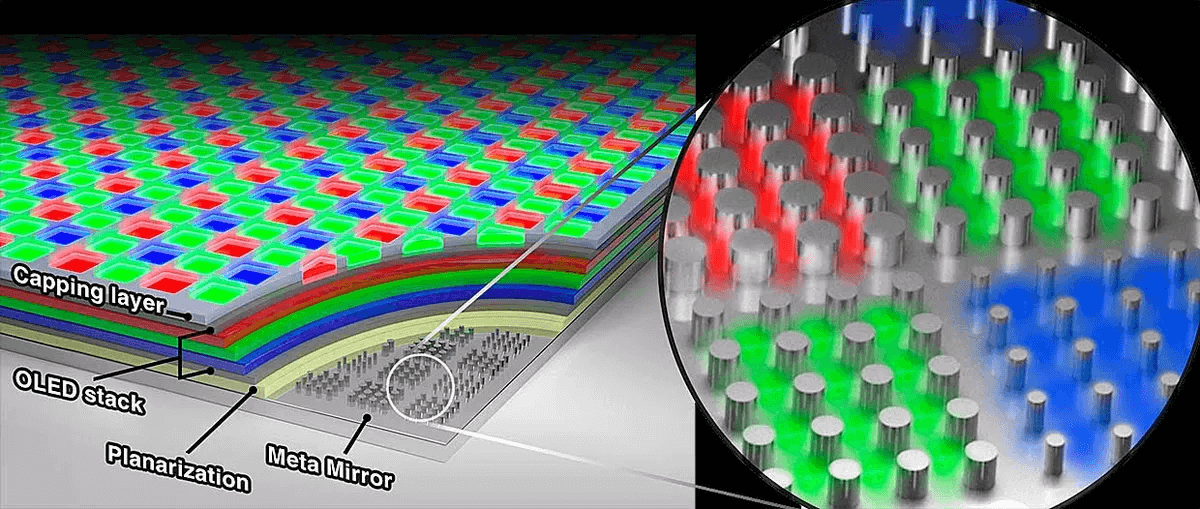
Under the hood, the device is powered by the A19 Pro chip, ensuring that the reduced size does not result in a performance compromise . This chip supports the demanding requirements of the 6.5-inch all-screen OLED Super Retina XDR display, which boasts a resolution of 2736-by-1260 pixels at 460 ppi .
Display Technology and Visual Performance
The display is one of the most advanced features of the iPhone Air, incorporating ProMotion technology with adaptive refresh rates that reach up to 120Hz . The screen is designed for extreme versatility in lighting conditions, featuring a minimum brightness of 1 nit and a peak outdoor brightness of 3000 nits .
Other notable display enhancements include:
- Dynamic Island: Integrated for multitasking and notifications.
- Always-On Display: Allowing for glanceable information without waking the device.
- Contrast Ratio: A typical 2,000,000:1 contrast ratio for deep blacks and vivid colors .
- Protective Coatings: Fingerprint-resistant oleophobic and anti-reflective coatings to improve visibility and cleanliness .
Camera Capabilities and Modern Connectivity
Despite its thinness, the iPhone Air maintains a powerful imaging suite. It features a 48MP Fusion Main camera with a 26 mm lens and an ƒ/1.6 aperture, supported by sensor-shift optical image stabilization . This system also enables 12MP optical-quality 2x Telephoto shots via a 52 mm lens . For video calls and selfies, the device utilizes a Center Stage front camera .
A critical departure from previous models is the iPhone Air’s approach to connectivity. The device is activated exclusively with an eSIM and does not support a physical SIM card . This digital-only approach allows for several advantages:
- Enhanced Security: An eSIM cannot be physically removed if the device is lost or stolen .
- Flexibility: Users can store multiple eSIMs on a single device and operate two phone numbers simultaneously .
- Efficiency: Cellular plans can be transferred or activated digitally without waiting for a physical card .
Durability and Environmental Resistance
To ensure longevity, the iPhone Air is rated IP68 under the IEC standard 60529, meaning it is resistant to splash, water, and dust . Specifically, it can withstand a maximum depth of 6 meters for up to 30 minutes .
| Feature | Specification |
|---|---|
| Dimensions | 6.15 x 2.94 x 0.22 inches |
| Weight | 5.82 ounces |
| Display | 6.5-inch Super Retina XDR OLED |
| Processor | A19 Pro Chip |
| Main Camera | 48MP Fusion System |
| SIM Support | eSIM Only |
What This Means for the Consumer
The availability of the iPhone Air at a lower effective price point suggests that Apple is attempting to broaden the appeal of its “Air” philosophy—prioritizing form factor and weight without sacrificing the core “Pro” experience. For the professional who travels frequently or the enthusiast who prefers a less bulky device, the iPhone Air offers a compelling middle ground.
However, prospective buyers should be aware that the transition to an eSIM-only device requires a carrier that supports this technology. Users should verify their wireless service plan with their provider before purchasing to ensure a seamless activation process .
As these trade-in offers and financing plans remain active, the iPhone Air is positioned as a highly competitive option in the premium smartphone market, challenging the notion that ultra-thin design must come at the cost of power or durability.
Consumers interested in these deals can identify current pricing and trade-in valuations directly through official Apple channels or authorized resellers like Best Buy and AT&T.
We will continue to monitor updates regarding carrier-specific subsidies and potential price adjustments as the product cycle progresses. Please share your thoughts on the transition to eSIM-only devices in the comments below.
Keep reading