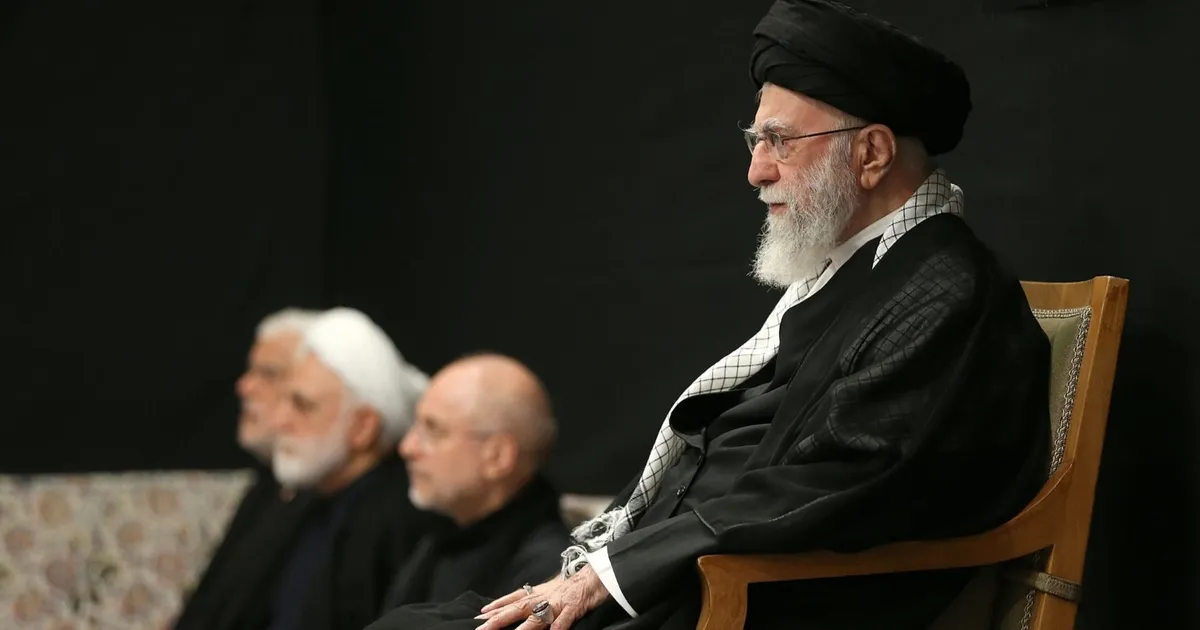
Sofia, Bulgaria – Reports emerged Sunday indicating the death of Iran’s Supreme Leader, Ayatollah Ali Khamenei, following reported joint U.S.-Israeli strikes. The news, initially reported by Iranian state media, has sent shockwaves through the region and prompted a period of national mourning declared by the Iranian government. The situation remains highly volatile, with potential for significant escalation.
The announcement, made by U.S. President Donald Trump on his Truth Social platform, described Khamenei’s death as “not only justice for the Iranian people, but for all great Americans.” Trump characterized Khamenei as “one of the most vicious people in history” and suggested this moment presents “the greatest opportunity for the Iranian people to reclaim their country.” CNN Arabic and Deutsche Welle both reported on Trump’s statements, confirming the U.S. President’s claim of Khamenei’s death.
Confirmation from Multiple Sources
Confirmation of Khamenei’s death has also come from Israeli sources, as reported by CNN. These sources indicated that the Supreme Leader was killed in the strikes targeting Iran. CNN’s reporting details the use of American and Israeli joint forces in the operation. The strikes reportedly targeted Khamenei’s headquarters and locations of other high-ranking Iranian officials. Details regarding the specific nature of the strikes – whether they involved airstrikes, missile attacks, or other methods – remain limited at this time.
The Iranian government has declared a 40-day period of mourning following the announcement of Khamenei’s death. This period of mourning is a traditional practice in Iran following the loss of a significant national figure. The Islamic Revolutionary Guard Corps (IRGC) has vowed to inflict “severe punishment” on those it deems responsible for Khamenei’s death, according to reports from Deutsche Welle. This statement raises concerns about potential retaliatory actions from Iran.
The Succession Question
The death of Ayatollah Ali Khamenei raises critical questions about the future leadership of Iran. Under Article 111 of the current Iranian constitution, a process is outlined for selecting a new Supreme Leader in the event of the current leader’s death. The BBC reports on this constitutional provision. The Assembly of Experts, a body of clerics, is responsible for choosing the next Supreme Leader. This process could be complex and potentially lead to internal power struggles within the Iranian government. CNN has reported that Petreaus is commenting on who may take power.
The potential candidates to succeed Khamenei are currently unknown and the selection process is expected to be closely watched both domestically and internationally. The new leader will face significant challenges, including navigating the ongoing tensions with the United States and Israel, addressing the country’s economic difficulties, and managing the potential for internal unrest. The choice of a successor will undoubtedly shape the future direction of Iran’s domestic and foreign policies.
Regional Implications and International Response
The death of Khamenei has far-reaching implications for regional stability. Iran has been involved in numerous conflicts and proxy wars throughout the Middle East, and its policies have often been a source of tension with neighboring countries. The removal of Khamenei, a key figure in shaping Iran’s foreign policy, could lead to a shift in the country’s approach to regional issues. Yet, the IRGC’s vow of retaliation suggests a continuation of aggressive posturing.
The potential for escalation is particularly high given the recent attacks on Israel by Iran. Qatar has reported 8 new injuries from these attacks, bringing the total to 16, with limited material damage. You’ll see also reports that ships have received messages indicating the potential closure of the Strait of Hormuz, a vital waterway for global oil supplies. This could have significant consequences for the global economy. The situation is further complicated by the fact that debris from the military operations has reportedly impacted several Arab Gulf states.
The international community is reacting with caution to the news of Khamenei’s death. Many countries are calling for restraint and urging all parties to avoid further escalation. The United States and Israel have not yet issued official statements beyond Trump’s initial announcement, but are likely to be closely monitoring the situation. The United Nations is expected to convene an emergency meeting to discuss the crisis and explore potential diplomatic solutions.
Key Takeaways
- Ayatollah Ali Khamenei, Iran’s Supreme Leader, has reportedly been killed in joint U.S.-Israeli strikes.
- The Iranian government has declared a 40-day period of national mourning.
- The Islamic Revolutionary Guard Corps has vowed retaliation for Khamenei’s death.
- The death of Khamenei raises questions about the future leadership of Iran and the potential for regional instability.
- The international community is calling for restraint and urging all parties to avoid further escalation.
The coming days and weeks will be critical in determining the trajectory of this crisis. The selection of a new Supreme Leader in Iran, the potential for retaliatory actions by the IRGC, and the response of the international community will all play a significant role in shaping the future of the region. World Today Journal will continue to provide updates on this developing story as more information becomes available.
Next Steps: The Assembly of Experts is expected to begin deliberations on selecting a new Supreme Leader in the coming days. Further updates on this process, as well as any official statements from the Iranian government or the United States, will be reported as they become available. We encourage readers to share their thoughts and perspectives in the comments section below.
Worth a look