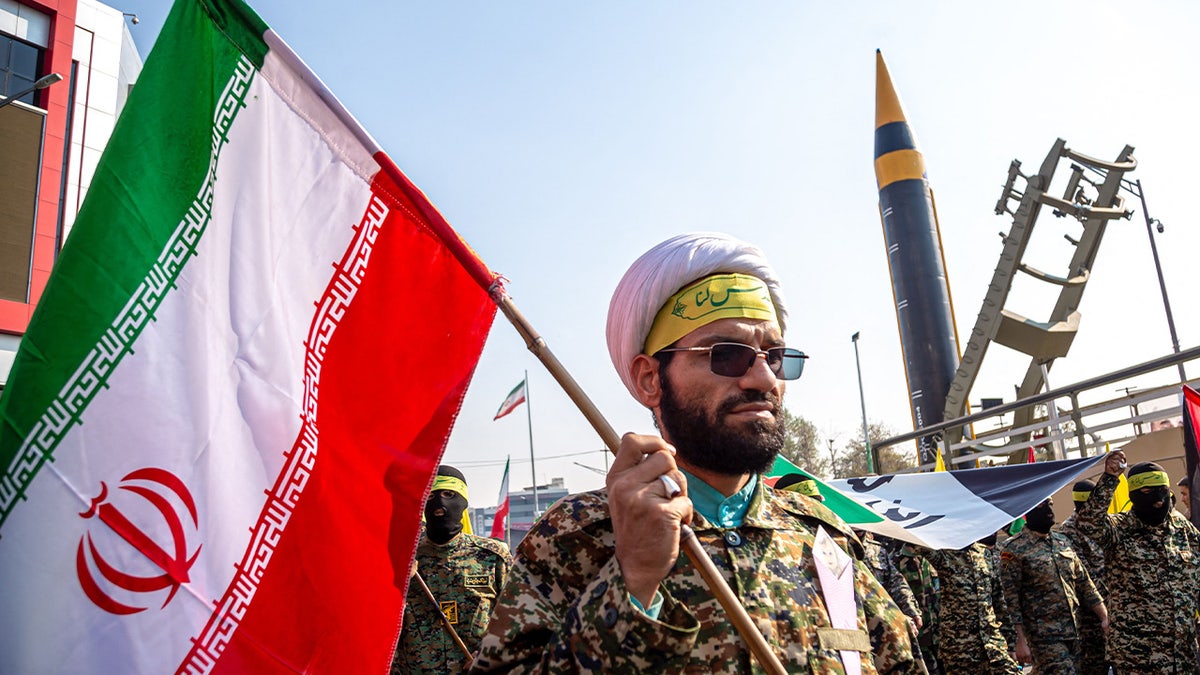
The situation in the Middle East remains fluid as international observers monitor recent developments involving the United States military and Iranian forces. Reports indicate that U.S. Forces have engaged in what the military has characterized as “self-defense strikes” targeting infrastructure in southern Iran. These actions, which have drawn significant attention on digital platforms such as Reddit’s r/politics, occur against a backdrop of ongoing regional instability and maritime security concerns near the Strait of Hormuz.
For those tracking these events, the terminology used by officials is central to understanding the legal and strategic framework of the operations. The U.S. Department of Defense has frequently utilized the term “self-defense strikes” to describe military actions taken in response to perceived threats, a designation that carries specific weight under international law regarding the United Nations Charter’s provisions on the right to self-defense. As of May 26, 2026, the geopolitical landscape in the region remains complex, with various stakeholders navigating the tension between national security mandates and the risks of escalation.
Understanding the Regional Security Context
The Strait of Hormuz serves as one of the world’s most critical maritime chokepoints, through which a significant portion of the global oil supply passes daily. Given its strategic importance, any military activity in this area—including the targeting of missile launch sites or naval assets—is closely scrutinized by global markets and diplomatic bodies. The U.S. Military’s stated intent in recent operations has been to ensure the freedom of navigation and to protect personnel stationed in the region.

The current Iranian leadership, including Supreme Leader Mojtaba Khamenei and President Masoud Pezeshkian, continues to oversee a country with a population of over 92 million people. As documented in public records regarding the Islamic Republic of Iran, the nation’s internal governance and foreign policy stances remain a focal point for international intelligence agencies. Understanding these dynamics is essential for interpreting why military engagements in the region are often met with immediate, high-level diplomatic responses.
The Role of Public Discourse and Digital Media
Digital forums have become a primary venue for the rapid dissemination of news and public opinion regarding foreign policy. Discussions on platforms like Reddit often reflect a wide spectrum of perspectives, ranging from technical analysis of military tactics to broader debates about the efficacy of interventionist foreign policy. While these platforms provide a space for real-time commentary, it is crucial for readers to distinguish between verified reports from official government channels and the often speculative nature of social media threads.
When evaluating claims about “legitimate defense” or the legality of military incursions, experts often point to the necessity of consulting official statements from the U.S. Department of Defense. These official portals provide the most accurate record of military objectives, the scope of operations, and the rationale behind specific tactical choices. Relying on verified sources helps mitigate the spread of misinformation that often accompanies fast-moving international crises.
Key Takeaways for Global Observers
- Operational Rationale: The U.S. Military defines recent actions as “self-defense strikes” intended to neutralize threats to maritime security, and personnel.
- Strategic Location: The Strait of Hormuz remains a primary area of focus due to its role in international energy supply chains.
- Information Verification: Readers are encouraged to prioritize statements from official government websites over social media sentiment when assessing the legal and political implications of these strikes.
Looking Ahead: What Happens Next?
The international community is currently awaiting further briefings from the Pentagon and diplomatic responses from regional actors. Future developments will likely depend on whether the current cycle of engagement leads to a de-escalation or if further reactive measures are taken by either side. Observers are keeping a close watch on scheduled diplomatic meetings and any forthcoming official reports regarding the status of the affected sites in southern Iran.
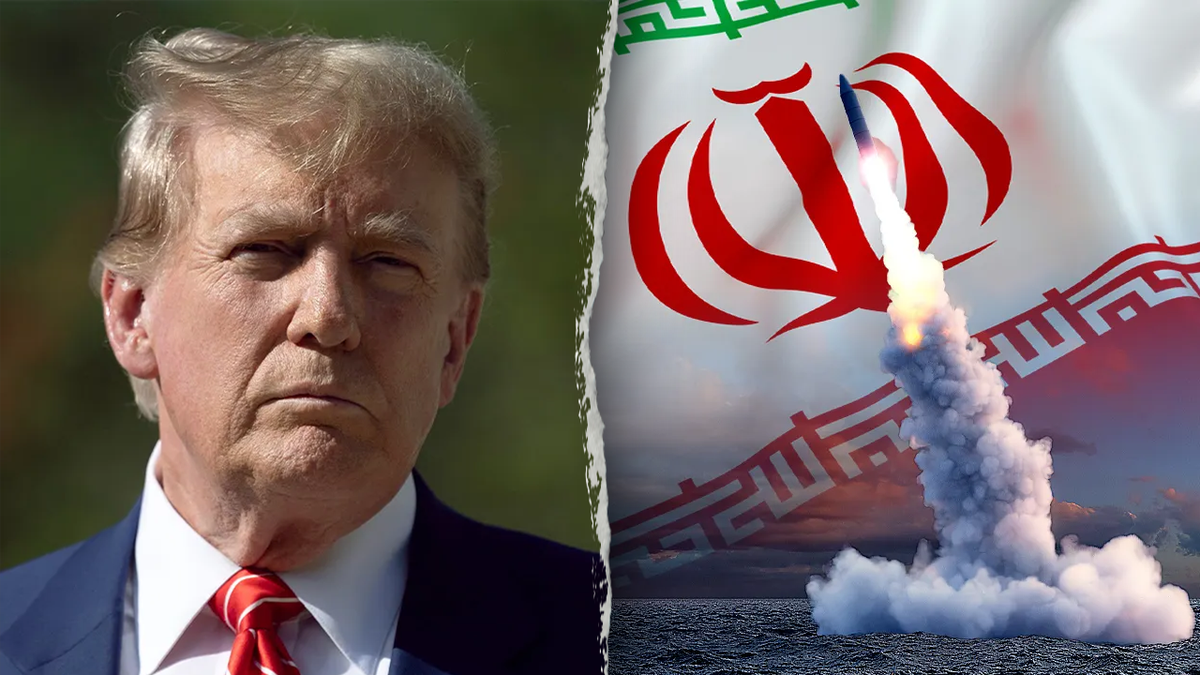
As this situation continues to evolve, we remain committed to providing our readers with fact-based, verified reporting. We invite our audience to stay informed by following official updates from international monitoring organizations and reliable news agencies. We encourage you to share your thoughts in the comments section below and join the conversation on the complexities of modern international relations.
Related reading