
The modern hotel experience has become a paradox: a place meant to evoke warmth and hospitality now often feels like a bureaucratic transaction. From the moment guests arrive, the ritual of check-in has been stripped of its charm, replaced by a sterile, efficiency-driven process that prioritizes speed over service. This shift reflects broader trends in hospitality—where technology, cost-cutting, and corporate consolidation have reshaped how we interact with the spaces meant to make us feel at home.
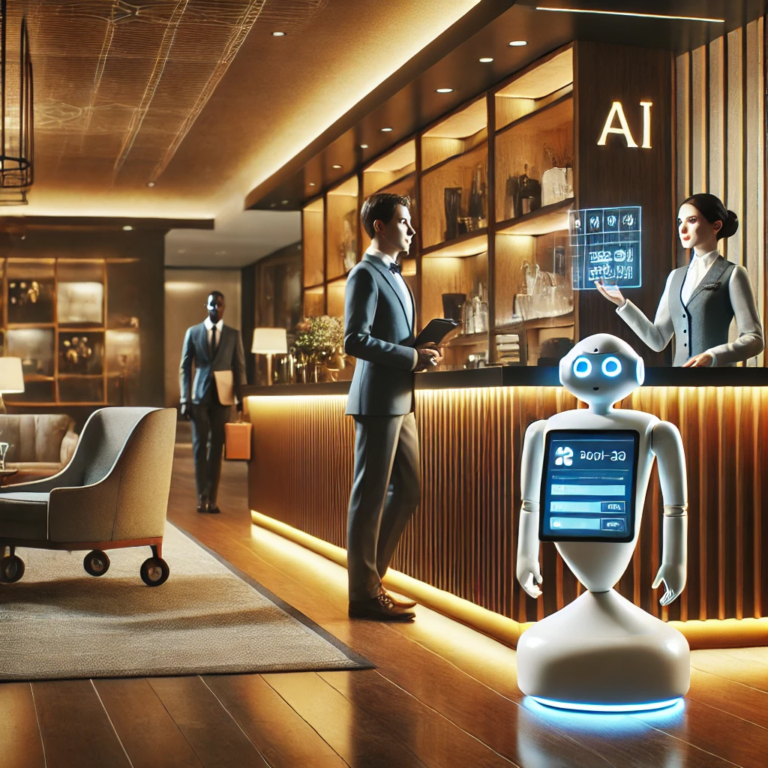
Industry insiders and travelers alike describe this phenomenon as the “check-in theater”—a term that captures the performative, almost theatrical nature of modern hotel arrivals. Gone are the days of a smiling concierge offering a handshake and a personalized welcome. Today, self-service kiosks, mobile check-ins, and digital keycards dominate, turning what should be a moment of arrival into a series of administrative steps. The question is no longer how can we make guests feel welcome? but how can we process them faster?
This transformation is not accidental. Behind the scenes, hotel chains—including some of the world’s largest—have undergone dramatic changes in recent years. Marriott International, for example, now operates over 9,000 properties across 144 countries, with a workforce of more than 418,000 employees as of 2024. Yet despite its global scale, the company’s revenue model increasingly relies on automation and franchise agreements rather than frontline staffing. According to its most recent filings, Marriott reported $25.1 billion in revenue in 2024, with operating income of $3.77 billion—a figure that underscores the financial incentives driving this shift toward efficiency over hospitality [Marriott Investor Relations].
The Rise of the “Check-In Theater”
The term “check-in theater” emerged in travel and hospitality circles to describe the growing disconnect between the ideal of guest service and the reality of modern operations. Travelers often arrive at their destination exhausted after long journeys, only to encounter a process that feels more like passing through airport security than stepping into a place of rest. Self-check-in kiosks, while convenient, can feel impersonal; digital keycards eliminate the need for human interaction entirely. Even when staff are present, their roles have shifted from hosts to problem-solvers, addressing issues rather than anticipating needs.
This isn’t just about technology—it’s about economics. Labor costs are a significant expense for hotel chains, and automation offers a way to reduce them. A 2023 report by the U.S. Bureau of Labor Statistics noted that wages for hotel workers had risen by nearly 12% over the previous two years, a trend that has pushed many operators toward efficiency measures. Meanwhile, guests—particularly those booking through online travel agencies (OTAs) like Booking.com or Expedia—are increasingly accustomed to self-service models, further normalizing the loss of personalized interaction.
Yet the backlash is growing. Customer reviews on platforms like Trustpilot reveal a clear divide: while some travelers praise the convenience of digital check-ins, others express frustration over the lack of human connection. One review from a guest at a major chain hotel read, “I used to love staying here, but now it feels like a factory. No one greets you, no one asks how your trip was—just a code on your phone and a room key.” Such feedback suggests that while efficiency may be the goal, the emotional experience of hospitality is being sacrificed in the process.
Who Benefits—and Who Loses?
The shift toward “check-in theater” has clear winners and losers. For hotel corporations, the benefits are financial: reduced labor costs, faster turnovers, and higher occupancy rates driven by algorithmic pricing. Franchisees, too, benefit from standardized operations that minimize training and overhead. But the trade-off is a diminished guest experience, particularly for travelers who seek more than just a place to sleep.
Small, independent hotels—often family-run or boutique establishments—have not followed this trend as closely. These properties often prioritize personalized service, even if it means slower check-ins or higher staffing costs. A 2025 study by the American Hotel & Lodging Association (AHLA) found that 68% of independent hotels reported higher guest satisfaction scores compared to chain properties, despite operating on tighter margins. The study attributed this to stronger relationships between staff and guests, a dynamic that large chains struggle to replicate at scale.
For travelers, the impact is mixed. Business guests, who often prioritize convenience and cost, may not mind the lack of personal interaction. Leisure travelers, however, particularly those seeking relaxation or luxury, may find the experience increasingly hollow. The rise of “bleisure” travel—where business trips blend with leisure—has also complicated the equation, as guests now expect both professional efficiency and personal comfort, a balance that automated check-ins often fail to deliver.
The Future of Hospitality: Can We Reclaim the Welcome?
Some industry leaders are pushing back against the dehumanization of hospitality. In 2024, Marriott International launched a pilot program called “Human Touch,” designed to reintroduce personalized service at select properties. The initiative includes training programs for staff to focus on emotional intelligence, as well as incentives for properties to prioritize guest interactions during peak hours. While still in its early stages, early feedback suggests that guests are responsive to even small gestures, such as a concierge asking about their travel plans or a housekeeper leaving a handwritten note.
Technology itself may also offer a solution. Companies like Hilton and Hyatt have experimented with AI-driven concierge services that blend automation with human oversight. These systems use data to anticipate guest needs—such as ordering room service before arrival or suggesting local attractions—while still allowing for human intervention when necessary. The goal is to create a hybrid model that maintains efficiency without sacrificing the personal touch.
For now, the “check-in theater” remains a dominant feature of modern hospitality. But as travelers become more vocal about their expectations—and as competition among chains intensifies—the industry may find itself at a crossroads. The challenge will be to balance the financial realities of global hospitality with the fundamental human desire for connection. After all, a hotel is not just a place to stay; it’s a place to feel welcomed.
Key Takeaways
- The “check-in theater” refers to the growing impersonality of modern hotel arrivals, driven by automation and cost-cutting.
- Large chains like Marriott prioritize efficiency, with over 9,000 properties relying on self-service and digital keycards.
- Independent hotels often outperform chains in guest satisfaction, despite higher operational costs.
- Some brands are experimenting with hybrid models, using AI to personalize service without eliminating human interaction.
- Travelers’ expectations are evolving, with leisure guests increasingly seeking emotional connections beyond transactional convenience.
What Happens Next?
The next major checkpoint for the hospitality industry will likely be the release of the AHLA’s 2026 Guest Experience Report, expected in early June. This report will provide updated insights into how guest expectations are shaping industry trends, including the role of technology in service delivery. Meanwhile, Marriott and other major chains are set to announce further details about their “Human Touch” and similar initiatives at their annual investor meetings in the coming months.

For travelers, the message is clear: if personalized service matters to you, consider booking directly with independent hotels or chains that prioritize human interaction. And if you’ve experienced the “check-in theater” firsthand, your voice matters—reviews and feedback can drive change in an industry that thrives on guest satisfaction.
Have you noticed the shift in hotel hospitality? Share your experiences in the comments below—or tag us on social media with #CheckInTheater. Let’s keep the conversation going.
Related reading