
Ireland’s Online Safety Code does not currently mandate the use of digital identity verification for accessing adult content, although the regulatory framework grants the media commission, Coimisiún na Meán, the power to require age verification measures from designated online services. As the European Union moves toward stricter digital regulation, the question of whether a digital ID should be required for such access remains a central point of debate among policymakers, privacy advocates, and industry stakeholders.
The regulatory landscape in Ireland is governed by the Online Safety and Media Regulation Act 2022, which established the legal basis for Coimisiún na Meán to oversee online safety. While the commission finalized its Online Safety Code in February 2024, the specific implementation of age verification remains a subject of ongoing consultation rather than a blanket, immediate mandate for all platforms. The code requires video-sharing platforms to implement measures to protect users, particularly minors, from harmful content, but the technical execution of these measures—such as age estimation or identity verification—is subject to individual risk assessments by the platforms themselves.
The Regulatory Framework for Age Verification
Under the current Irish system, the onus is placed on service providers to demonstrate that they have effective systems in place to prevent minors from accessing age-restricted content. According to Coimisiún na Meán’s official guidelines, platforms must adopt a “safety by design” approach. This means that while digital ID is one potential solution, it is not the only one currently recognized by the regulator. Other methods, such as credit card verification or third-party age estimation tools, are also being evaluated by industry players to meet the legal requirements set out in the Online Safety and Media Regulation Act 2022.
The distinction between “age verification” and “age estimation” is critical to this discussion. Age verification typically requires a user to provide a government-issued ID or a digital equivalent to prove their identity and age. Age estimation, by contrast, relies on biometric analysis or behavioral data to guess a user’s age without necessarily identifying them. Privacy advocates, including groups like the Irish Council for Civil Liberties, have expressed concern that mandatory digital ID systems could create massive databases of sensitive user data, potentially creating new cybersecurity risks for citizens.
Privacy Concerns and Data Protection
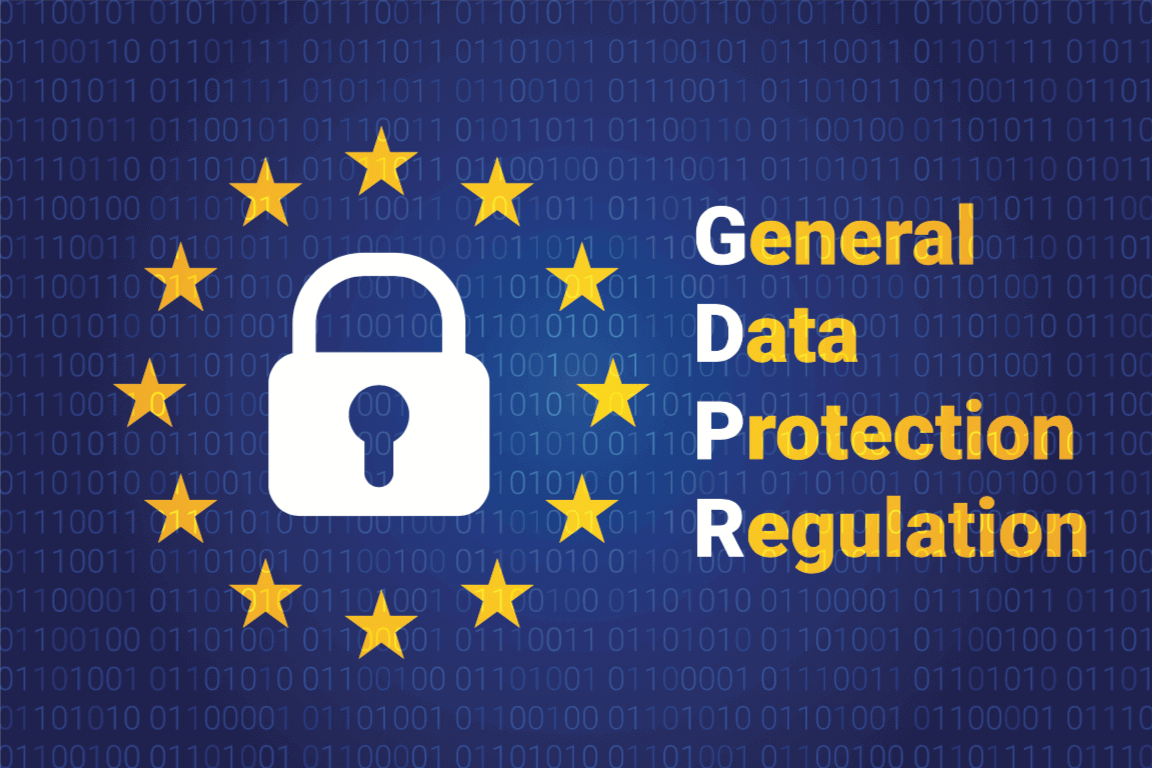
The integration of digital ID systems into everyday internet usage raises significant questions regarding the General Data Protection Regulation (GDPR). Because Ireland serves as the European headquarters for many of the world’s largest technology companies, any move toward a mandatory digital ID for web access would likely face intense scrutiny from the Data Protection Commission (DPC). The DPC’s annual reporting emphasizes that data minimization—collecting the least amount of data necessary—is a core principle of European law. Mandating a digital ID to view content could be viewed as a disproportionate collection of personal information, especially if less intrusive age-assurance technologies are available.
Furthermore, the technical implementation of such a system poses an architectural challenge for the internet. Unlike a physical premises where a bouncer can check an ID, the internet operates on a decentralized model. Implementing a universal digital ID would require a standardized, secure, and interoperable system that does not currently exist at a global scale. According to the Organisation for Economic Co-operation and Development (OECD), the challenge of balancing child safety with user anonymity remains one of the most complex hurdles for policymakers worldwide.
Comparing Approaches to Online Safety
Ireland’s approach is part of a broader European effort to regulate digital spaces. The European Union’s Digital Services Act (DSA), which came into full effect in February 2024, provides a harmonized set of rules for online safety across all member states. While the DSA does not explicitly mandate a digital ID for pornographic websites, it does require large platforms to assess and mitigate risks to minors. This creates a tiered system where the largest platforms face the most rigorous requirements.
The following table illustrates the differing methods currently discussed for age assurance:
| Method | Mechanism | Privacy Impact |
|---|---|---|
| Digital ID | Government-verified credentials | High (Identity linked to access) |
| Credit Card Check | Transaction verification | Medium (Financial data shared) |
| Age Estimation | Biometric/AI analysis | Low (Anonymized data) |
What Happens Next?
The next phase for Irish online safety involves the practical enforcement of the Online Safety Code. Coimisiún na Meán is currently in the process of monitoring how platforms respond to their new obligations. According to the commission’s official statements, the regulator will assess compliance reports submitted by designated services throughout the coming year. These reports will detail the specific technical measures each platform has implemented to restrict access for minors.
If platforms fail to demonstrate effective age-assurance measures, the commission has the authority to issue warnings, conduct audits, and impose significant financial penalties. For the average user, this means that while they may not be required to provide a government digital ID today, they are likely to encounter more frequent and sophisticated age-gate prompts when navigating the web. The debate continues, with the government expected to hold further stakeholder consultations regarding the long-term feasibility of a national digital identity framework for age verification. Readers are encouraged to monitor Coimisiún na Meán’s official website for upcoming public consultations and policy updates.