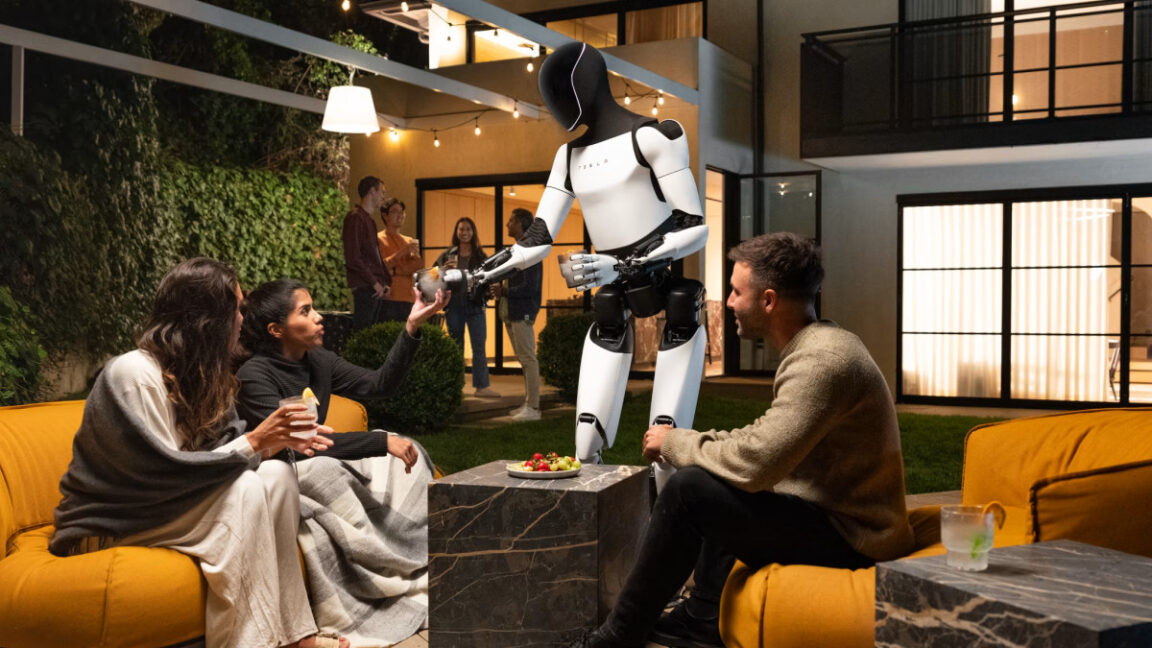
The Future of Robotics Isn’t What You Think: Why Humanoid Robots Will likely Abandon Legs
For decades, the vision of the future has included humanoid robots – machines mirroring human form and function.But a leading robotics expert, Rodney Brooks, founder of iRobot and Rethink Robotics, argues this vision is fundamentally flawed. He believes the current pursuit of bipedal “humanoids” is a costly detour, and the robots of tomorrow will look radically different.
The 3-Meter Rule: A Stark Reality Check
Brooks recounts a personal experience – a near miss with an Agility Robotics digit robot several years ago – that instilled a healthy respect for the dangers of close proximity. He’s noticed a telling pattern in promotional materials from humanoid robot companies: humans are never shown near moving robots without substantial barriers. Even then, the robots move with extreme caution.
This isn’t just about avoiding accidental falls. To truly integrate into spaces alongside people, like hospitals or factories, these robots require rigorous safety certification. Current walking mechanisms, however, make meeting existing safety standards virtually impossible.
Beyond Falls: The Core Safety Challenge
The problem extends beyond simply preventing robots from toppling over. For humanoids to operate safely in shared spaces, they need to reliably navigate unpredictable human behavior. consider these challenges:
* Unpredictability: Humans don’t move in straight lines or announce their intentions.
* Reaction Time: Robots need to react faster then humans to avoid collisions.
* Force Limits: Even a gentle nudge from a robot can cause injury due to its weight and power.
These factors create a significant hurdle for certification and widespread adoption.
A Shift in definition: What “Humanoid” Will Mean
Brooks predicts a significant evolution in the very definition of “humanoid” within the next 15 years. Instead of striving for human mimicry, robots will prioritize functionality and safety. Expect to see:
* Wheels over legs: Offering stability and efficient movement.
* Variable arm configurations: Adapting to specific tasks, potentially with more than two arms.
* Specialized sensors: Moving beyond human-like vision to incorporate diverse sensing modalities.
Think cameras positioned on hands or lower bodies, providing a more comprehensive understanding of the environment. This mirrors how the definition of ”flying cars” has shifted to electric helicopters,and “self-driving cars” now often include remote human oversight.
The Limits of Vision and the Promise of Touch
Billions are being invested in improving the dexterity of today’s rigid, vision-dependent humanoids. However, Brooks argues this investment is largely misdirected. While academic research, like MIT’s work with haptic gloves transmitting sensations to robot hands, shows promise, it’s still far from replicating the nuanced touch sensitivity humans possess.
True dexterity requires a comprehensive understanding of texture, pressure, and temperature – information current systems struggle to gather.
A Practical Warning from a Robotics Pioneer
Currently, moast people don’t encounter humanoid robots in their daily lives. Brooks’ “3-meter rule” – maintaining a safe distance – serves as a pragmatic warning. the gap between the polished presentations of robotics companies and the reality of deployable, safe robots remains substantial.
This gap isn’t measured in years, but in basic, unsolved problems related to physics, sensing, and, most importantly, safety. The future of robotics isn’t about building better humanoids; it’s about building better robots – even if they don’t look like us.