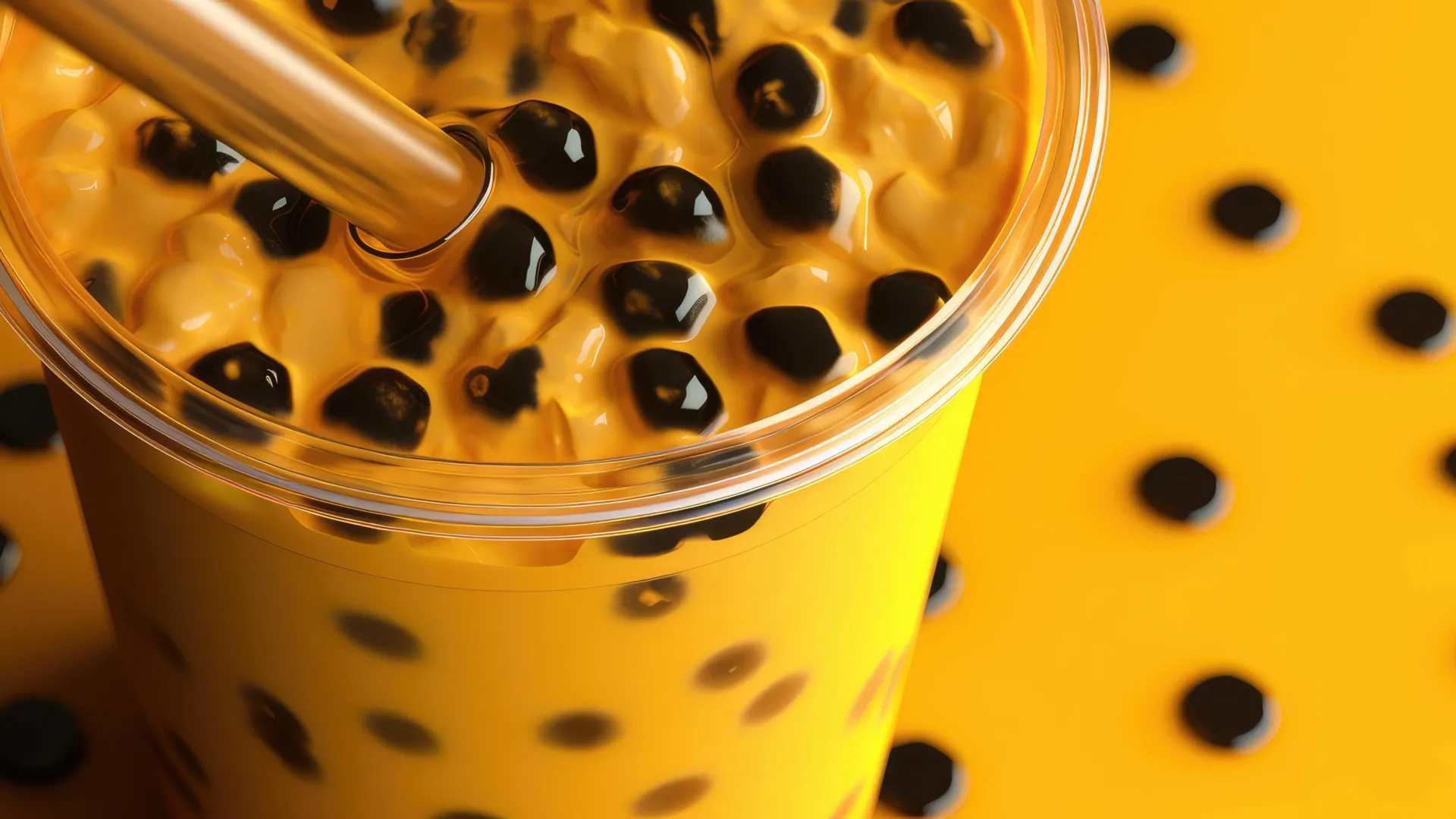
The colorful, chewy appeal of bubble tea has transformed it from a regional specialty into a global phenomenon. However, as these beverages develop into a daily staple for millions, health professionals are taking a closer look at what exactly is inside the cup. While the experience is photogenic and flavorful, the nutritional profile of these drinks often tells a different story.
For many, the primary draw is the “boba”—the soft, bouncy spheres that settle at the bottom of the drink. These bubble tea pearls are typically made from tapioca starch, a processed derivative of the cassava root. While they provide a unique texture, the combination of refined starches and high sugar content is prompting a conversation about whether bubble tea is bad for you in the long term.
From a clinical perspective, the concern isn’t necessarily the occasional treat, but the cumulative effect of frequent consumption. With ingredients that are high in carbohydrates and often stripped of essential nutrients, these drinks can contribute to metabolic challenges if they replace healthier beverage options in a balanced diet.
The Anatomy of Boba: What are Tapioca Pearls?
To understand the health implications, one must first understand the composition of the pearls. Tapioca pearls are produced from starch extracted from the roots of the cassava plant (Manihot esculenta), a tuber crop grown extensively in tropical regions including Asia, Africa, and South America according to health data. The process involves washing, pulping, and separating the starch granules from the fiber and juice to create a fine white powder as detailed in preparation guides.
Once processed, this starch is formed into dough, shaped into small beads, and boiled. Depending on the variety, these pearls may remain translucent (white pearls) or be infused with brown sugar or caramel to create the popular black pearls. While they are naturally gluten-free and vegan, they are essentially concentrated carbohydrates.
Nutritionally, cooked tapioca pearls provide a significant amount of energy but very little in the way of micronutrients. Per 100g of cooked pearls, the caloric content ranges between 130 and 160 kcal, with 35 to 40 grams of carbohydrates based on nutritional facts. They contain virtually no protein, fat, or fiber, making them a high-glycemic food that can cause rapid spikes in blood glucose levels.
Health Risks and Nutritional Red Flags
The primary health concern surrounding bubble tea is its association with excessive sugar intake. Many versions of the drink are loaded with syrups and sweetened toppings, often exceeding the sugar content found in traditional sodas. This level of sugar consumption is closely linked to several metabolic risks, including obesity, type 2 diabetes, and the development of fatty liver disease.
Beyond the sugar, the physical properties of the pearls themselves can pose challenges. Because they are dense and chewy, they require significant mastication. In some cases, the high starch content and chewy texture may slow digestion. There have been concerns regarding the potential for these pearls to cause intestinal blockages if consumed in excessive quantities without adequate hydration.
the nature of cassava as a root crop means it can be influenced by the soil in which it grows. There are concerns that cassava roots can absorb heavy metals from the environment, such as lead, which could potentially transfer into the starch used for boba pearls. While high-quality producers use carefully selected tapioca starch to mitigate these risks, the variability in sourcing remains a point of interest for public health monitors.
Summary of Nutritional Values (Per 100g Cooked)
| Nutrient | Amount |
|---|---|
| Calories | 130–160 kcal |
| Carbohydrates | 35–40 g |
| Sugars | 5–10 g (if sweetened) |
| Protein | 0 g |
| Fat | 0 g |
| Fiber | 0–1 g |
Making Informed Choices: How to Enjoy Boba Safely
As a physician, I do not suggest that the occasional bubble tea is a medical crisis. However, moderation is essential. For those who enjoy these drinks, there are several ways to reduce the health impact:

- Adjust Sugar Levels: Many shops allow customers to choose their sweetness level. Opting for 0% or 25% sugar significantly reduces the glycemic load of the beverage.
- Consider Alternatives: Some vendors offer alternatives to traditional tapioca, such as aloe vera or grass jelly, which may have different nutritional profiles.
- Frequency Management: Treating bubble tea as a dessert rather than a daily beverage helps prevent the chronic intake of refined sugars and high-calorie starches.
- Hydration: Because the pearls are dense and starchy, drinking plenty of water throughout the day supports healthy digestion and helps the body process the carbohydrates.
It is also worth noting that the “boba” experience varies by brand. Some pearls are pure tapioca, while others may contain added gums or other starches to alter the texture according to industry descriptions. Checking the ingredients list when available can provide better insight into what is being consumed.
For those managing chronic conditions such as diabetes or kidney issues, it is advisable to consult with a healthcare provider regarding the frequency of consumption, as the high sugar and carbohydrate content can interfere with blood glucose management and overall metabolic health.
As we continue to spot the evolution of global food trends, the focus must remain on balancing enjoyment with nutritional literacy. By understanding the origins and composition of bubble tea, consumers can make choices that satisfy their cravings without compromising their long-term health.
World Today Journal encourages readers to share their thoughts on dietary trends in the comments below. How do you balance treats with health in your daily routine?