
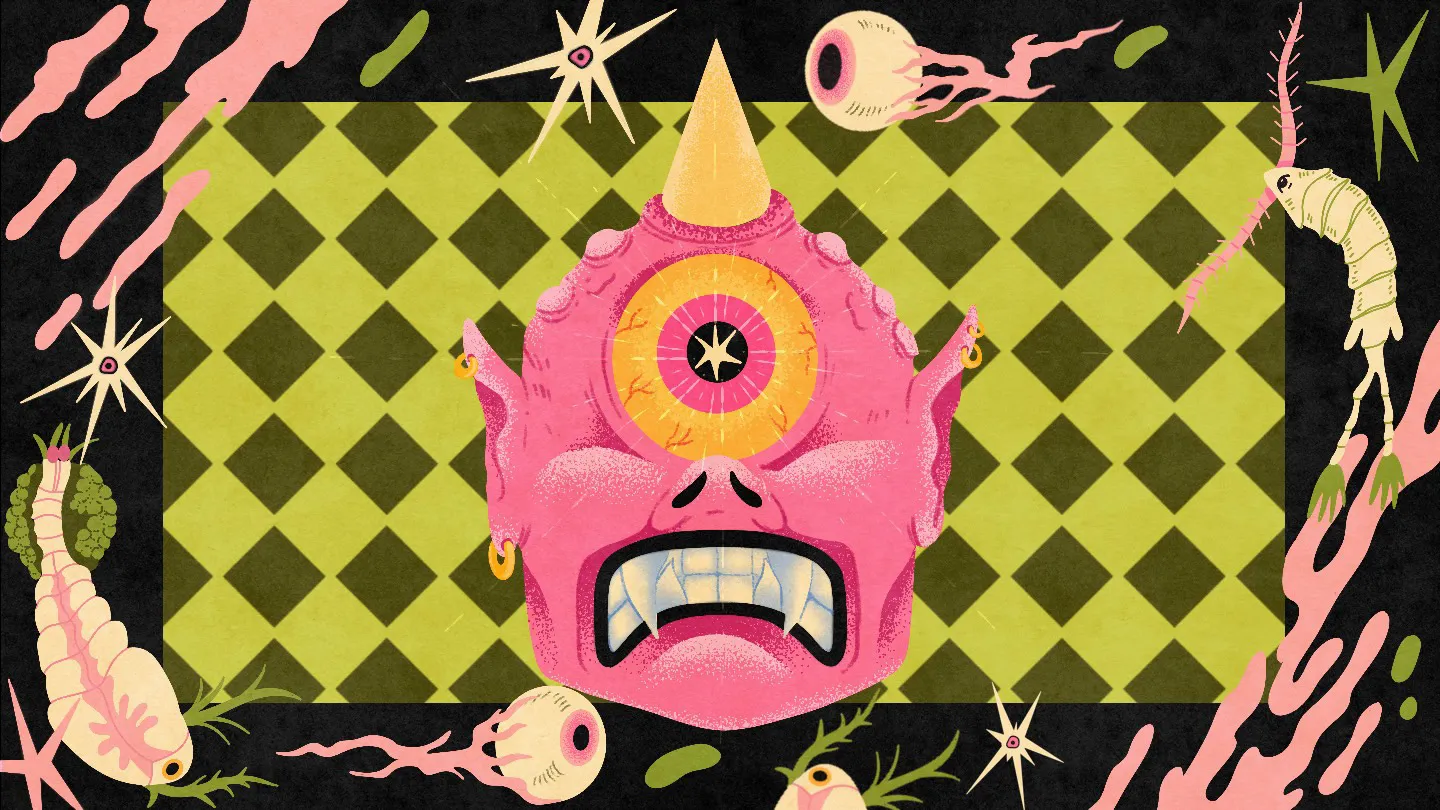
The depiction of the Cyclops in popular culture, including upcoming cinematic adaptations of Homer’s The Odyssey, often leans on mythological tropes that find more grounded explanations in biological phenomena rather than purely supernatural origins. While the one-eyed giant remains a staple of ancient Greek literature, modern medical science and evolutionary biology suggest that the anatomical basis for such a creature—specifically cyclopia—is a rare, non-viable congenital condition rather than a distinct species of titan.
According to the National Library of Medicine, cyclopia is a severe form of holoprosencephaly, a disorder where the forebrain fails to develop into two separate hemispheres. This condition results in the failure of the eye orbits to divide, leading to the formation of a single central eye socket. The medical reality of this condition is stark: it is typically incompatible with life, and most affected infants are stillborn or pass away shortly after birth, as reported by the National Center for Biotechnology Information.
Biological Roots of the Myth
Historians and scientists have long debated how the legend of the Cyclops emerged in the ancient Mediterranean. One prominent theory, popularized by paleontologist Adrienne Mayor in her research on fossil folklore, suggests that ancient Greeks may have misinterpreted the skulls of prehistoric dwarf elephants. These fossils, found throughout Mediterranean islands like Sicily and Crete, feature a large, central nasal cavity that could easily be mistaken by non-experts for a single, giant eye socket, as detailed by the American Museum of Natural History.
This misidentification provides a bridge between the biological reality of extinct megafauna and the literary endurance of the Cyclops. While the mythological creature is often portrayed as a man-eating monster, the physical evidence points toward a misinterpretation of natural history. By attributing the discovery of these skulls to the heroes of antiquity, ancient storytellers likely crafted a narrative that explained the presence of massive, unusual bones found in their environment.
Comparing Myth to Microscopic Reality
Beyond the realm of mammalogy, some researchers point to the existence of single-eyed organisms in the natural world to explain the cultural fascination with the motif. Certain microscopic crustaceans, such as copepods, possess a single, median naupliar eye. While these organisms bear no resemblance to the giants of Homeric epic, they represent a recurring biological theme of single-eyed visual systems in nature.
The contrast between the “monstrous” Cyclops of literature and the reality of developmental biology remains a subject of public interest. Whereas the Cyclops in The Odyssey is a powerful, sentient being, the medical condition of cyclopia is a tragic developmental defect. Understanding this distinction is essential for separating the cultural legacy of Homeric myth from the documented realities of human and animal anatomy.
What Happens Next in the Narrative
As audiences prepare for new iterations of The Odyssey, the conversation surrounding the Cyclops continues to evolve. The focus has shifted from treating the creature as a literal historical entity to viewing it as a symbolic representation of the “other”—a figure that stands outside the bounds of human society and civilization. Future academic analyses are expected to continue exploring how ancient societies used these myths to categorize the unknown.

The next major academic discussion regarding the intersection of classical mythology and ancient science is scheduled for the upcoming Society for Classical Studies annual meeting, where researchers will further examine the material culture of the Homeric age. Readers interested in the ongoing intersection of science and humanities are encouraged to share their thoughts in the comments section below.