The Enduring Mystery of Time: Why It Feels Real Even If it isn’t
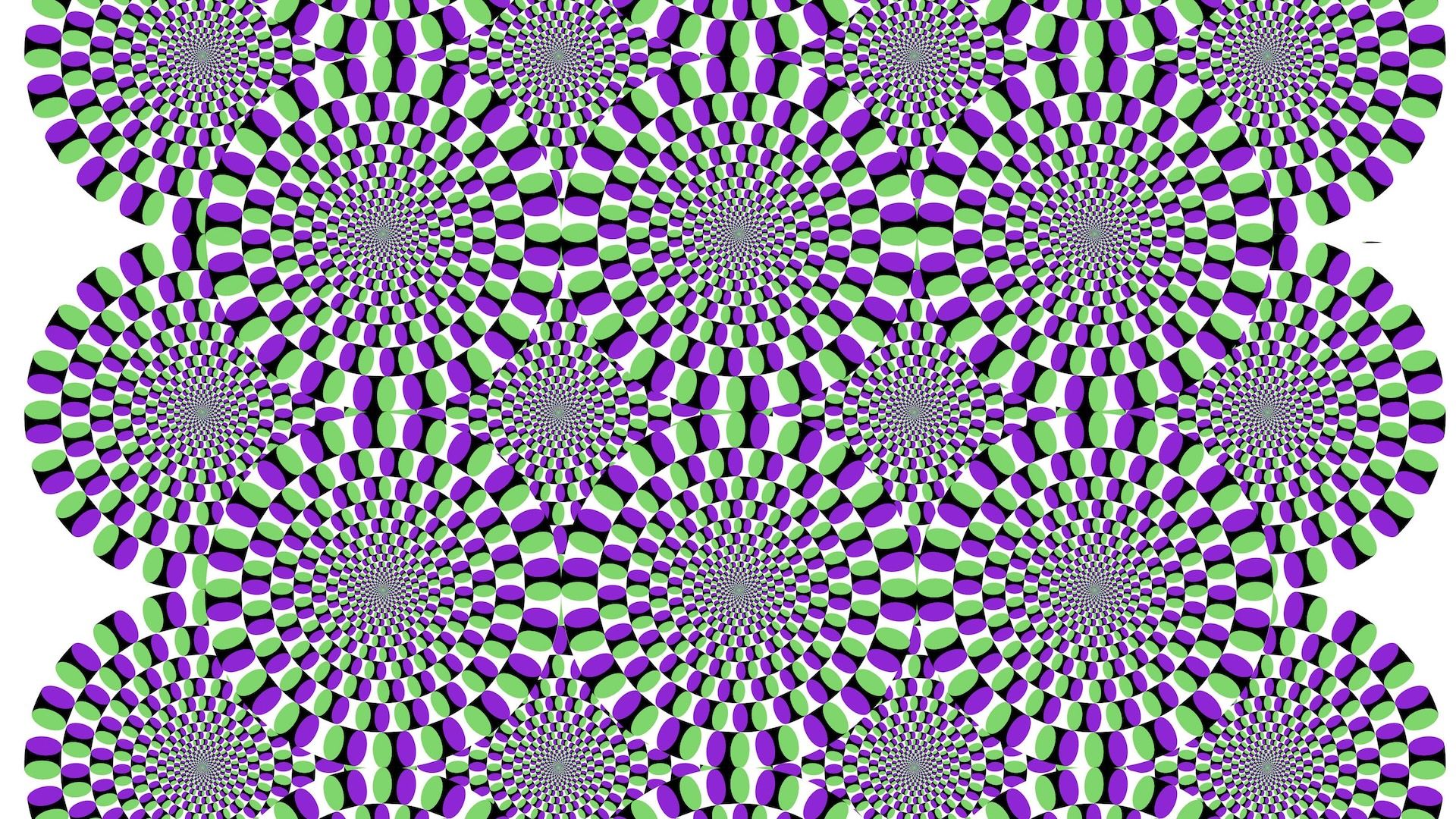
Time is a concept that permeates every aspect of your life, yet its true nature remains surprisingly elusive. We intuitively experience time as a flowing river, carrying us from past to present to future. but what if that feeling – that sense of passage – isn’t a fundamental property of the universe, but rather a product of how you perceive it?
Recent research suggests this is precisely the case. It proposes that time isn’t something that “flows,” but a projection created by the human mind as we make sense of the world around us. this isn’t to say time is an illusion, but rather that our experience of it is inextricably linked to our cognitive processes.
Perspective vs. Reality: Understanding the Distinction
Consider a simple example: a rose. You identify it as red, but that doesn’t mean redness is an inherent quality of the rose itself. It’s how your visual system processes the wavelengths of light reflected by the flower. Similarly, a rose enthusiast isn’t making a claim about the fundamental nature of color when appreciating its hue.
This principle extends to our understanding of time. Physics, at its most fundamental level, doesn’t necessarily require a dynamic “flow” of time. Yet, you experience time as dynamic every single day. This isn’t a contradiction, but a exhibition of how our perspective shapes our reality.
How Our Minds Construct Time
Here’s how this projection works:
* Human Depiction: Our brains constantly organize and interpret sensory details.
* Sequential Ordering: We naturally arrange events in a sequence – before, during, and after.
* Creating Narrative: This sequencing allows us to build narratives and understand cause and effect.
* The Feeling of Passage: This process creates the feeling of time passing, even if it doesn’t exist as a separate entity in the universe.
Think of it like your GPS. It can tell you that you’ve taken a wrong turn, providing a valid representation of your location and destination. However, your GPS doesn’t possess consciousness or a “mind map” of the world. It’s simply processing data and presenting it in a way you can understand.
Why This Matters: The importance of Perspective
The key takeaway is this: any description of reality you formulate will inevitably be colored by your own perspective as a perceiver and thinker. Confusing this perspective with reality itself is where errors arise.
You can’t describe your visual experience without referencing color, just as you can’t describe the world without referencing the passage of time. Both are essential components of how you understand and interact with your surroundings.
Ultimately, recognizing time as a projection doesn’t diminish its importance. It simply clarifies its origins. It’s a powerful tool your mind uses to navigate and make sense of a complex world, and understanding its nature can deepen your thankfulness for the intricacies of human consciousness.
Worth a look
- New Breathalyzer-Style Device Accurately Measures Fat Burning Through Exhaled Air
- Researchers Aim to Heal Broken Hearts Using the Body’s Own Immune Defense
- Marlen Reusser wins Stage 4 time trial to claim Tour de France Femmes yellow jersey (time.news)
- Why Nepal Keeps the World's Only 45-Minute Time Zone (daybreakwire.com)