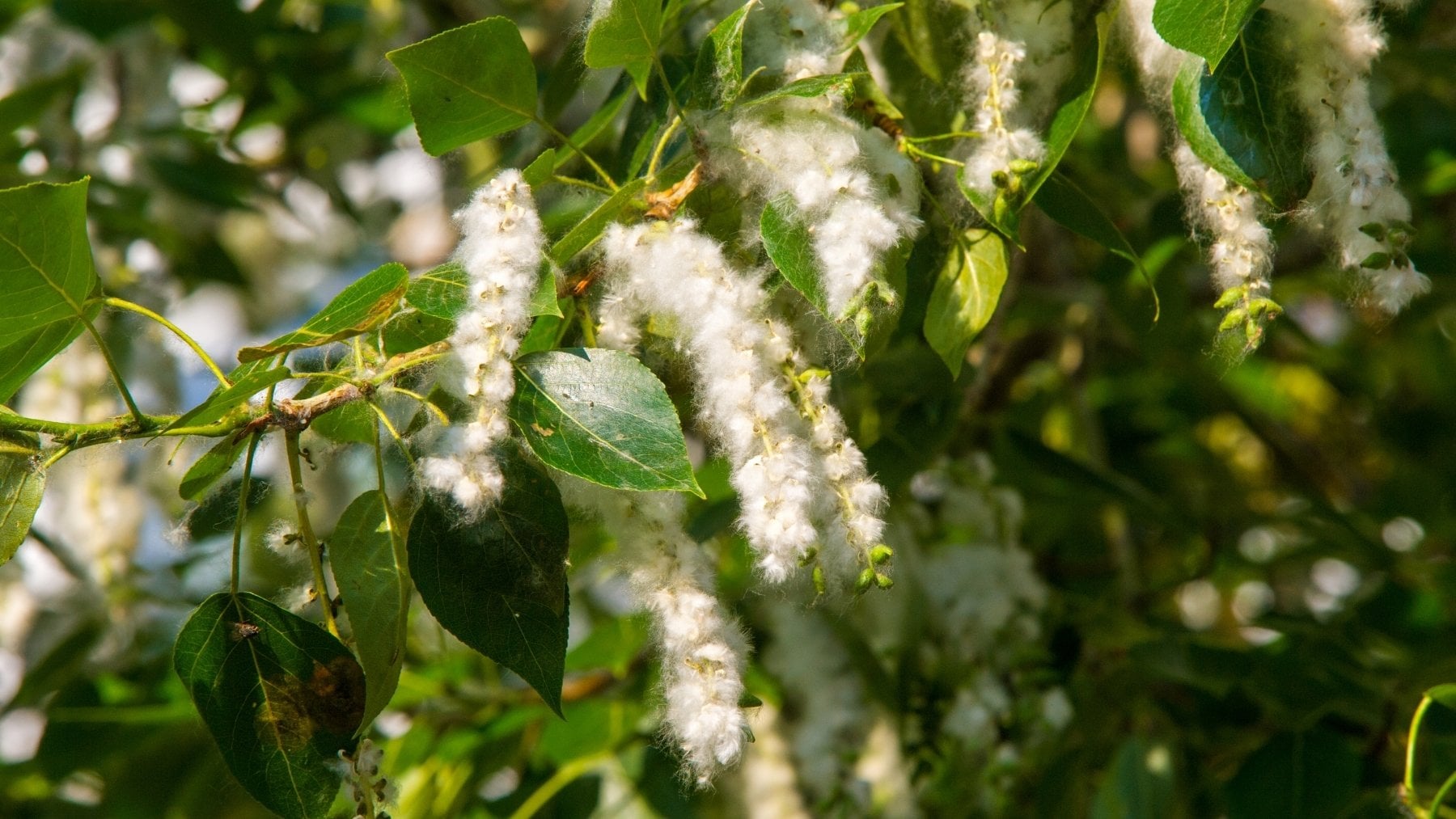
As spring arrives, many city dwellers in Spain and across Europe have noticed a peculiar sight: a blanket of white, cotton-like fluff drifting through the air and coating streets and gardens. For those who suffer from seasonal allergies, the sight of this white fluff often triggers immediate concern, leading many to assume it is a surge of pollen causing their sneezing and itchy eyes.
However, medical experts clarify that this white fluff that looks like cotton is not actually pollen. While its appearance coincides with the peak of allergy season, the substance is biologically distinct from the microscopic particles that trigger allergic reactions. Understanding the difference is crucial for patients who may be misattributing their symptoms or fearing a substance that is, in itself, harmless to the respiratory system.
This airborne material is known as “vilano” (or volano). Rather than being a pollen grain, it serves as a natural “packaging” or dispersal mechanism for seeds. Specifically, it is produced by certain trees, most notably the poplar (Populus), as well as elms and plane trees, to ensure their seeds can travel long distances via the wind to germinate in new locations.
While the vilano itself is inocuous and does not cause allergies, health professionals warn that it can act as a vehicle, accidentally carrying actual pollen grains along with it. So that while the visible fluff is not the culprit, the invisible pollen it drags along may still trigger symptoms for sensitive individuals.
The Biological Difference: Vilano vs. Pollen
The primary reason for the confusion lies in the scale of the particles. Pollen grains are microscopic; typically ranging from 2.5 to 250 micrometers in size. Because of this minute scale, they are invisible to the naked eye and require a microscope to be visualized. This is why people often mistake the visible white fluff for pollen—they see something floating in the air at the same time they feel an allergic reaction and assume the two are the same.
In contrast, the vilano is a macroscopic structure. It consists of filaments that act like a parachute or a delta wing, allowing the seed to float and fly at the mercy of the wind. This evolutionary adaptation allows trees like the poplar—which belongs to the Populus genus and encompasses about 40 species—to spread their offspring far beyond the immediate vicinity of the parent tree.
For those experiencing “hay fever” or pollinosis, the symptoms are caused by the immune system’s reaction to the proteins within the microscopic pollen, not the larger seed filaments. Common symptoms include:
- Rhinoconjunctivitis (inflammation of the nasal mucosa and conjunctiva)
- Sneezing and nasal obstruction
- Itchy eyes and tearing (lacrimation)
- Transparent nasal mucus
- In approximately 40% of cases, these symptoms can be accompanied by asthma according to medical summaries on pollinosis.
Beyond Allergies: The Hidden Danger of Fluff
While the white fluff may be harmless to your sinuses, it poses a significant environmental risk. The most pressing concern identified by experts is that vilano is highly flammable. Because the filaments are lightweight and dry, they can ignite rapidly and burn with great speed.
This characteristic transforms the fluff into a serious fire hazard, particularly in forested or mountainous areas. A single spark—such as a discarded cigarette butt or a small campfire ember—can ignite the accumulated fluff, potentially leading to a rapid-spread wildfire. Authorities advise extreme caution during the peak of this dispersal period, urging the public to ensure all smoking materials are fully extinguished and to avoid any open flames near areas where this “cotton” has accumulated.
Summary of Key Differences
| Feature | Vilano (White Fluff) | Pollen |
|---|---|---|
| Visibility | Visible to the naked eye | Microscopic (requires microscope) |
| Function | Seed dispersal (parachute) | Reproductive cell |
| Allergic Potential | Inocuous (does not cause allergy) | High (primary cause of pollinosis) |
| Main Risk | Highly flammable / Fire hazard | Respiratory distress / Allergies |
Managing Spring Symptoms
Because the appearance of the white fluff often overlaps with the release of actual pollen, the timing of the symptoms can be misleading. For those suffering from seasonal allergies, the focus should remain on avoiding the invisible pollen particles rather than the visible seeds.

The increase in prevalence of these allergic reactions in modern urban environments is often attributed to several factors, including the “hygiene hypothesis” (lack of exposure to germs in early childhood), atmospheric pollution in developed nations, and the ongoing effects of climate change.
To mitigate the impact of spring allergies, health professionals generally recommend monitoring pollen counts and taking precautions during peak dispersal times. While the white fluff itself won’t cause an allergic reaction, remembering that it can “drag” pollen along means that areas heavily covered in fluff may still be high-risk zones for those with severe sensitivities.
As the spring season continues, residents are encouraged to stay vigilant about fire safety and consult with an allergist if they are experiencing respiratory distress, to ensure they are treating the actual cause of their symptoms rather than the visible “cotton” in the air.
Do you have questions about seasonal allergies or environmental hazards in your city? Share your experiences in the comments below and share this guide with others to help clear up the confusion around spring fluff.
Keep reading