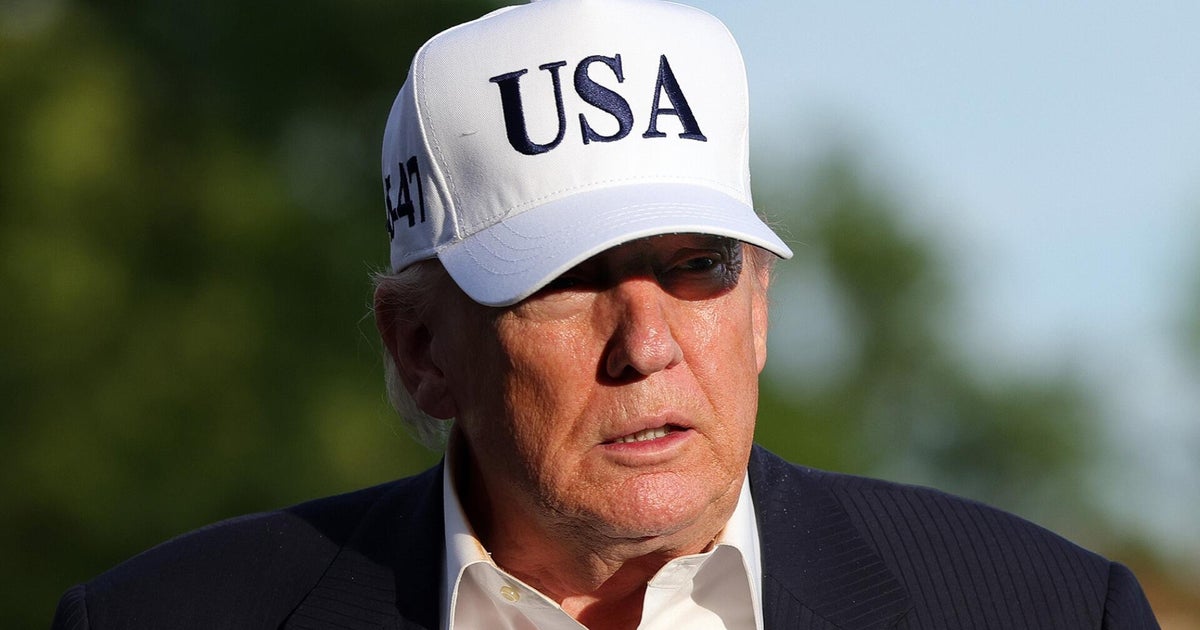
President Donald Trump announced Friday evening that a joint operation between the United States and Nigerian military forces has resulted in the death of Abu-Bilal al-Minuki, a high-ranking leader within the Islamic State (ISIS). The announcement marks a significant development in counter-terrorism efforts within West Africa, as the U.S. Kills Islamic State leader in Nigeria in what the president described as a meticulously planned operation.
The operation, conducted at the direction of the U.S. President, targeted al-Minuki, who served as the “second in command” for the global leadership of ISIS. According to the announcement made via the Truth Social platform, the mission was “extremely complex” and executed “flawlessly” by American forces and the Armed Forces of Nigeria.
The removal of al-Minuki is presented as a strategic blow to the group’s ability to coordinate international attacks and maintain its foothold in Africa. President Trump characterized al-Minuki as the “most active terrorist in the world,” asserting that his death significantly diminishes the global operational capacity of ISIS.
The Target: Who Was Abu-Bilal al-Minuki?
Abu-Bilal al-Minuki was a Nigerian national who rose to a position of immense influence within the Islamic State’s global hierarchy. His role as the second-in-command meant he was pivotal in bridging the gap between the group’s central leadership and its various regional affiliates, particularly those operating across the African continent.
Because of his ties to the organization and his role in facilitating terror operations, al-Minuki had long been a target of international intelligence agencies. He was designated as a “specially designated global terrorist” by the U.S. Federal register under the previous Biden administration in 2023 according to official records. This designation allowed the U.S. Government to freeze his assets and prohibit U.S. Persons from engaging in transactions with him.
In his Truth Social post, President Trump highlighted the intelligence effort that led to the strike, stating, “Abu-Bilal al-Minuki, second in command of ISIS globally, thought he could hide in Africa, but little did he know we had sources who kept us informed on what he was doing.”
Strategic Impact on ISIS Global Operations
The elimination of a deputy leader is often intended to create a leadership vacuum, disrupting the command-and-control structure of a terrorist organization. By removing the individual responsible for coordinating global operations, the U.S. And Nigerian forces aim to sever the communication lines between ISIS central and its regional cells.

President Trump emphasized the security implications of the mission, noting that al-Minuki “will no longer terrorize the people of Africa, or help plan operations to target Americans.” The administration believes that “with his removal, ISIS’s global operation is greatly diminished.”
This operation underscores the ongoing volatility of the Sahel and West African regions, where ISIS and other jihadist groups have sought to establish territorial control. The ability of the U.S. To execute a “very complex mission” in coordination with the Nigerian government suggests a high level of intelligence sharing and operational synergy between the two nations.
U.S.-Nigeria Security Partnership
The mission was a joint effort, reflecting a critical partnership between the United States and the Nigerian government in the fight against violent extremism. President Trump explicitly thanked the government of Nigeria for its “partnership” during the operation, although specific details regarding the location of the strike or the exact nature of the attack were not disclosed for security reasons.

Nigeria has faced prolonged challenges from various insurgent groups in its north-east, including Boko Haram and the Islamic State West Africa Province (ISWAP). The cooperation between the Armed Forces of Nigeria and U.S. Special operations forces is part of a broader strategy to stabilize the region and prevent the establishment of a permanent ISIS caliphate in Africa.
Despite this success, the security environment in Nigeria remains precarious. Recent reports indicate that jihadist raids in the country’s north-east continue to be a threat, with at least 65 Nigerian soldiers killed in such raids over the past year as reported in recent conflict summaries.
Key Takeaways of the Operation
- Target Eliminated: Abu-Bilal al-Minuki, a Nigerian national and global second-in-command of ISIS, has been killed.
- Joint Execution: The mission was carried out by a combination of U.S. Forces and the Armed Forces of Nigeria.
- Prior Designation: Al-Minuki had been sanctioned and designated as a “specially designated global terrorist” in 2023.
- Strategic Goal: The operation aimed to diminish ISIS’s global operational capacity and protect both African citizens and Americans from planned attacks.
While the death of al-Minuki is a tactical victory, the long-term stability of the region depends on the continued ability of the Nigerian government to maintain security and the ongoing support of international partners. The U.S. Administration has signaled that it will continue to use “meticulously planned” missions to target high-value individuals who threaten global security.

Official updates regarding the aftermath of the operation and any subsequent leadership changes within ISIS are expected as intelligence agencies analyze the impact of the strike. Further details on the mission’s specifics may be released through official Department of Defense or Nigerian military channels in the coming days.
World Today Journal encourages readers to share their thoughts on the impact of joint international counter-terrorism operations in the comments section below.