
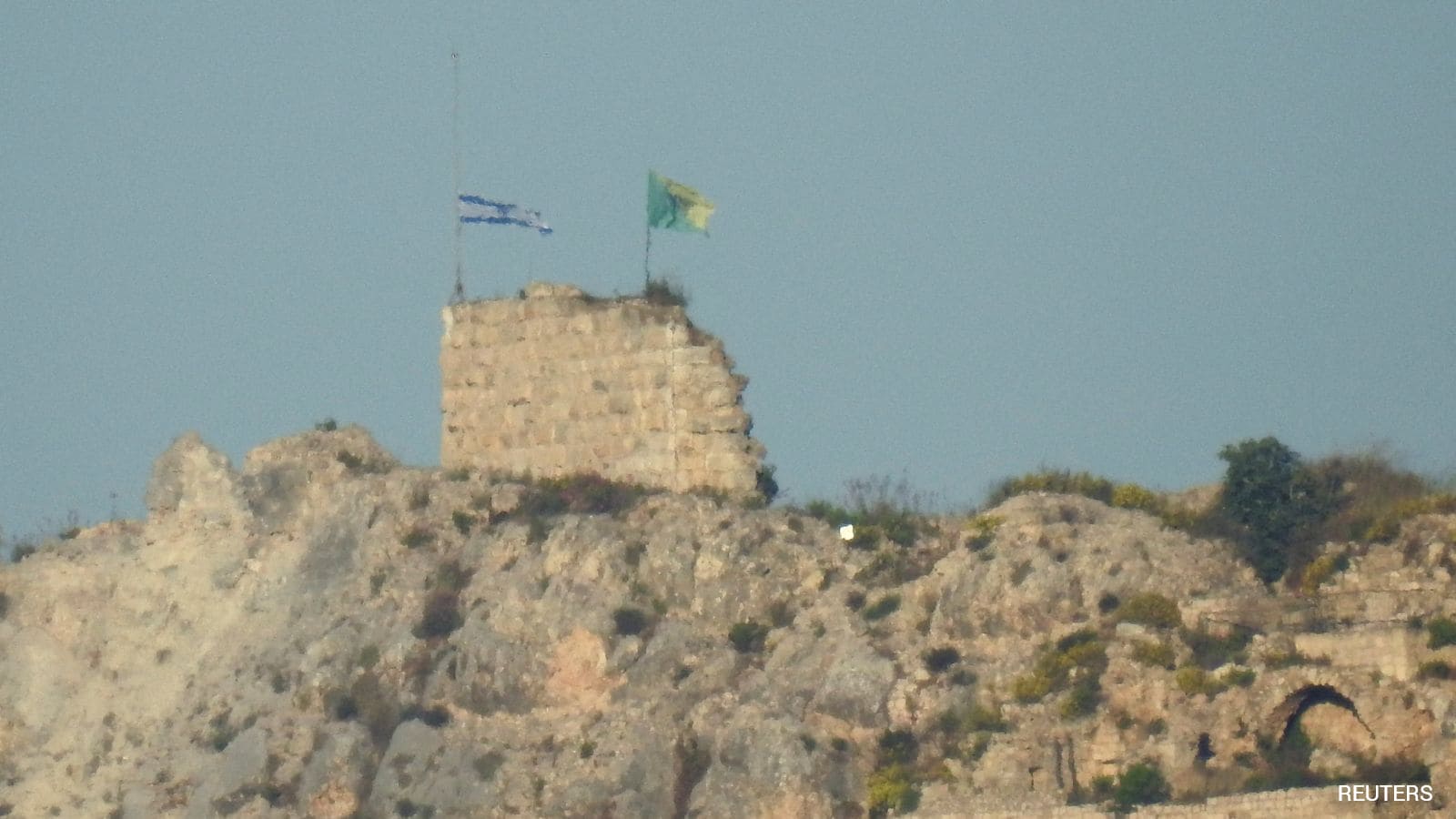
As the conflict between Israel and Hezbollah continues to evolve, recent reports indicate that Israeli ground forces have advanced deeper into Lebanese territory. The military campaign, which has intensified significantly in recent weeks, reached a symbolic and tactical milestone this week as troops were documented operating near Mhaibib, a village in southern Lebanon. In this area, forces appeared to secure a site of historical and strategic significance—the shrine and surrounding hilltop often referred to in local reports as a castle, located near the border region.
For those of us tracking the geopolitical shifts in the Middle East, this latest movement highlights the widening scope of the ongoing hostilities. The escalation follows a series of intense exchanges that have seen both sides move beyond the initial skirmishes that characterized the early months of the conflict. The Israeli military has stated that its current operations are aimed at dismantling Hezbollah’s infrastructure near the Blue Line, the UN-patrolled border between the two nations, to facilitate the return of displaced residents to northern Israeli communities.
Tactical Shifts and the Strategic Landscape
The significance of the recent ground maneuvers lies in the effort to push back Hezbollah units that have utilized the rugged terrain of southern Lebanon to launch rocket fire into northern Israel. By taking control of high ground and key transit points, the Israel Defense Forces (IDF) are attempting to create a buffer zone. According to the United Nations Interim Force in Lebanon (UNIFIL), the security situation has deteriorated sharply, with peacekeeping operations severely hampered by the proximity of heavy fighting to their positions.
The occupation of the site in Mhaibib, which sits on a vantage point overlooking the border, provides the military with enhanced surveillance capabilities. However, the move has drawn sharp condemnation from Lebanese officials. The Lebanese government continues to report rising numbers of civilian casualties and significant damage to infrastructure, as the air campaign in the south and the Bekaa Valley remains relentless. The international community, led by calls from the UN and various diplomatic mediators, remains deeply concerned about the risk of a full-scale regional conflict.
Political Rhetoric and Regional Stability
The intensity on the ground is matched by a hardening of political rhetoric. Within the Israeli cabinet, there have been vocal demands for a more aggressive posture. Specifically, comments from National Security Minister Itamar Ben-Gvir regarding the destruction of civilian infrastructure in Beirut have drawn international scrutiny and concern from human rights organizations, who warn that such rhetoric violates the principles of international humanitarian law. These statements have been widely reported by various outlets, underscoring the deep divisions regarding the endgame of the current military strategy.

While the military focus remains on the southern front, the humanitarian impact is felt across the country. With the displacement of hundreds of thousands of people, the Lebanese healthcare system is struggling to cope with the influx of trauma patients. International aid agencies, including the World Health Organization, have issued urgent appeals for safe access to provide medical supplies and essential services to those caught in the crossfire.
Key Takeaways: The Current Situation
- Geographic Focus: The conflict is currently concentrated in southern Lebanon, with Israeli forces advancing to secure key vantage points along the border.
- Humanitarian Impact: The UN has reported that displacement levels are rising, with significant pressure on medical facilities across Lebanon.
- Diplomatic Context: UNIFIL remains in the region, though its ability to mediate or monitor the ceasefire lines has been significantly compromised by the ongoing violence.
- Political Polarization: Calls from within the Israeli government for expanded operations in urban areas like Beirut have sparked significant debate regarding compliance with international legal standards.
What Happens Next
As of mid-October 2024, the military situation remains fluid. The IDF has indicated that its ground operations in Lebanon are limited in scope and duration, intended to remove immediate threats to northern Israeli border towns. Conversely, Hezbollah has continued to launch rocket barrages into northern and central Israel, signaling that they retain significant operational capacity despite the loss of several senior commanders in recent months.
The next major checkpoint for the international community will be the upcoming session of the UN Security Council, where the situation in Lebanon is expected to be a primary agenda item. Diplomatic efforts, particularly those involving the United States and France, are ongoing, though a durable ceasefire remains elusive as both parties to the conflict hold firm to their respective security requirements. We will continue to monitor these developments closely as they unfold.
As this situation remains rapidly evolving, I invite you to share your thoughts or questions in the comments section below. For those seeking verified updates on the humanitarian response, please consult the official channels of the UN Office for the Coordination of Humanitarian Affairs (OCHA).
Related reading