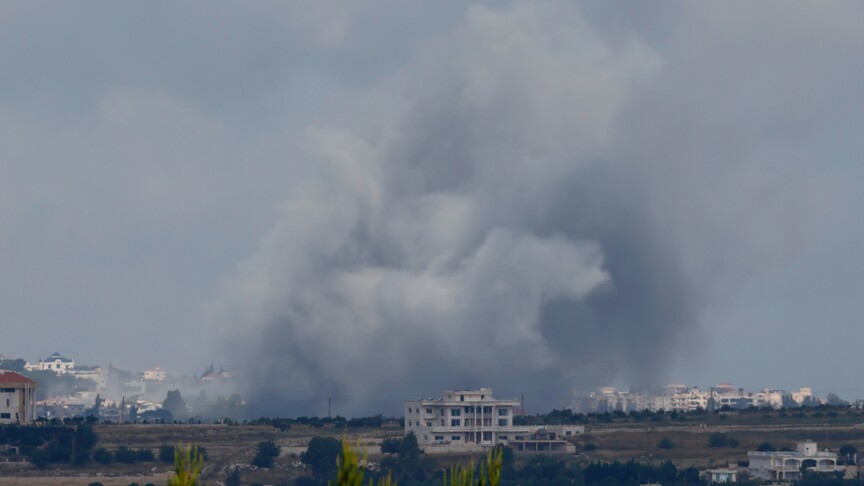
The security situation along the Israel-Lebanon border has entered a period of heightened volatility as military operations expand across southern Lebanon. Following months of persistent cross-border exchanges, recent reports indicate an intensification of hostilities, with Israeli forces conducting operations further into Lebanese territory, including activity in proximity to key geographic markers like the Litani River and strategic elevated terrain.
This escalation marks a significant shift in the operational landscape of the ongoing conflict, which has seen near-daily rocket and drone attacks from Hezbollah targeting northern Israeli communities. The Israeli military has responded with expanded ground maneuvers and targeted aerial strikes, citing the necessity of securing the border region to allow for the eventual return of displaced residents to their homes in northern Israel.
Operational Shifts in Southern Lebanon
Recent military developments have centered on the strategic positioning of forces within southern Lebanon. Reports from the region confirm that the Israel Defense Forces (IDF) have maintained a presence at Beaufort Castle, a historic site that has served as a focal point for tactical maneuvers due to its commanding view of the surrounding valley. According to official updates from the IDF, operations remain ongoing as the military seeks to neutralize infrastructure used for cross-border fire against Israeli territory.
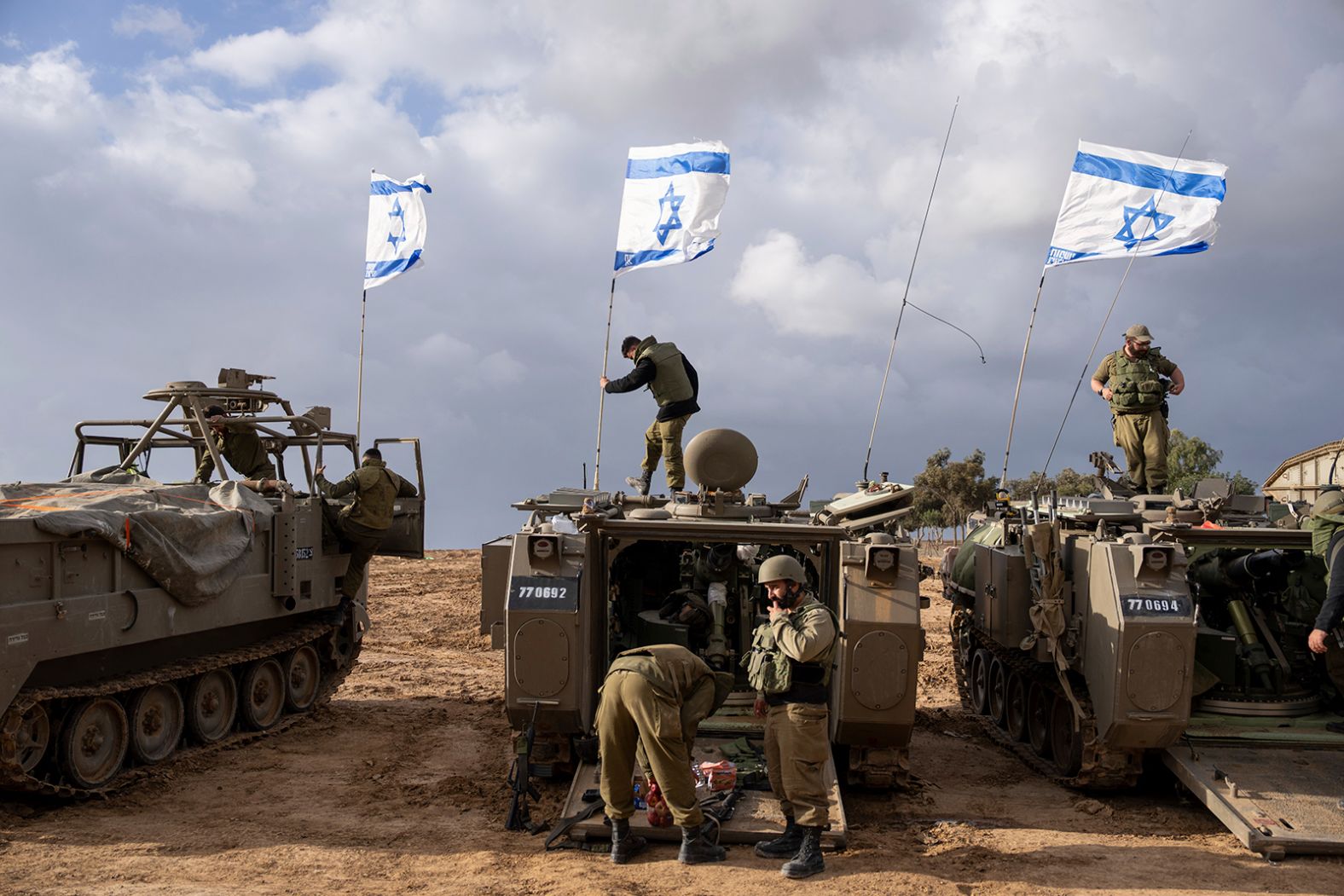
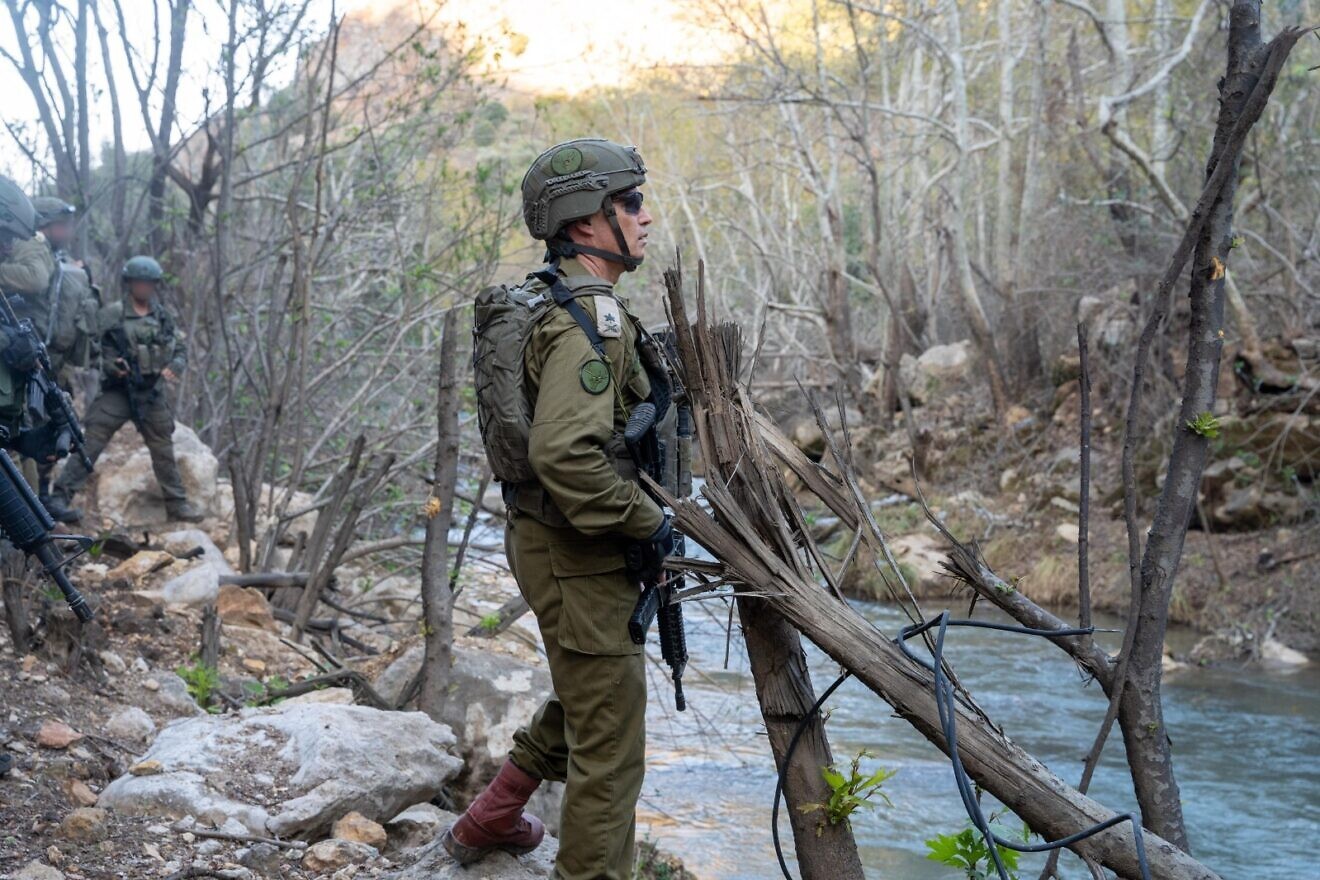
The expansion of these operations has brought military activity into closer proximity to the Litani River, a geographic line that has historically held significant weight in international diplomatic efforts regarding the region’s stability. While military officials describe these movements as necessary defensive measures to degrade the capabilities of Hezbollah, the increased intensity of the fighting has led to a further deterioration of the security environment for civilians on both sides of the border. In northern Israel, municipal authorities have implemented strict safety protocols, including the closure of schools in areas most vulnerable to rocket and drone barrages.
The humanitarian impact of these developments is becoming increasingly pronounced, with local reports detailing widespread displacement and damage to infrastructure in southern Lebanese towns. International observers continue to monitor the situation, as the potential for further escalation remains a primary concern for regional security analysts.
The Context of Escalating Hostilities
The current cycle of violence is the latest chapter in a long-standing pattern of regional tension. The conflict, which intensified significantly following the events of October 7, has transformed the border region into a high-stakes frontline. For residents of northern Israel, the reality is defined by the frequent activation of warning sirens and the necessity of seeking shelter, a situation that has persisted for months despite various diplomatic attempts to de-escalate the fighting.
The strategic objectives of the Israeli government, as stated by officials, center on establishing a security buffer that would effectively prevent direct ground threats to border communities. Conversely, the continued use of rocket and drone barrages by Hezbollah is framed by the group as a response to Israeli military actions in the region, creating a feedback loop of violence that has proven resistant to traditional diplomatic mediation.
Key Developments and Regional Impact
The complexity of the situation is compounded by the involvement of multiple stakeholders and the strategic importance of the terrain. The following points summarize the current status of the conflict as of late May 2026:

- Operational Focus: Military activity is concentrated on neutralizing launch sites and surveillance posts used for cross-border operations.
- Civilian Safety: Authorities in northern Israel have mandated school closures in high-risk zones, while southern Lebanon has seen a significant exodus of residents from border-adjacent villages.
- Strategic Geography: The control of elevated positions, such as the area around Beaufort Castle, remains a critical tactical objective for the IDF in their effort to maintain oversight of the border corridor.
- Diplomatic Stasis: Despite international calls for restraint, there is currently no verified progress toward a sustainable ceasefire or a long-term security arrangement that would satisfy the requirements of the involved parties.
The situation remains fluid, with daily updates provided by the Israel Defense Forces regarding the status of operations and the security situation in the north. Readers are encouraged to follow official government advisories and updates from established international monitoring bodies for the most accurate and real-time information regarding border safety and travel restrictions.
As the regional landscape continues to evolve, the focus remains on the potential for diplomatic breakthroughs versus the risk of further military expansion. We will continue to monitor these developments closely as more information becomes available from official sources. Please share your thoughts or questions in the comments section below and stay tuned to our World section for ongoing coverage of this developing story.